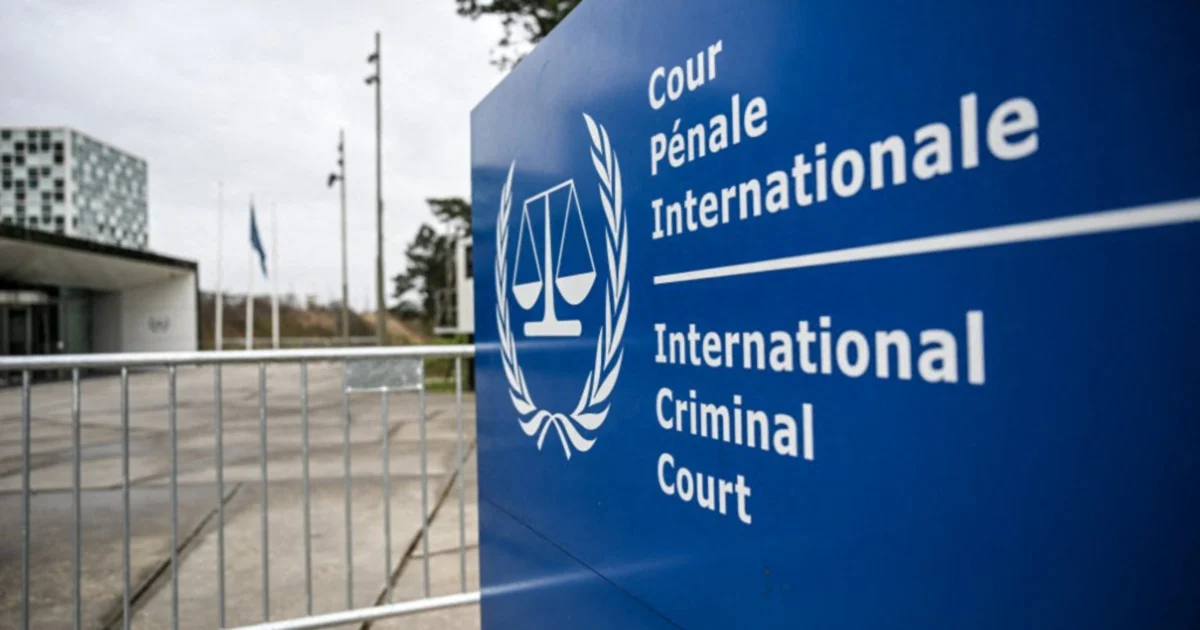
Three judges from the International Criminal Court have initiated legal proceedings in New York against President Donald Trump and senior members of his administration, contesting the constitutionality and legality of sanctions imposed against them. The federal complaint, filed on Wednesday, represents an escalation in tensions between the US government and the international judicial body, raising questions about American enforcement of unilateral penalties against foreign officials.
The judges assert that the sanctions imposed by Washington constitute an arbitrary and unlawful exercise of executive power that lacks proper legal foundation. Their challenge centres on the argument that such measures violate established principles of international law, diplomatic immunity, and fundamental due process guarantees that the United States itself has historically championed. The lawsuit signals growing friction between the Trump administration's hardline approach to international institutions and the institutional interests of one of the world's primary mechanisms for prosecuting crimes against humanity.
The timing of this legal action comes amid broader geopolitical tensions over the ICC's independence and investigative mandate. The institution, headquartered in The Hague, operates under the Rome Statute, a multilateral treaty that the United States notably has not ratified, though it maintains various forms of engagement with the court. This fundamental disconnect has historically made the US-ICC relationship complex and occasionally confrontational, particularly when American interests or officials have become subject to investigation or scrutiny.
The sanctions themselves were implemented through executive action by the Trump administration, characterised by the judges as disproportionate responses to the court's investigative activities. Such penalties typically target assets held within US jurisdiction and restrict the ability of sanctioned individuals to conduct business with American entities or financial institutions. For international judges and officials, these measures can have devastating practical consequences, affecting not only their personal finances but also their ability to travel, conduct professional activities, and maintain standard living arrangements.
This legal challenge carries significant implications for Malaysia and other Southeast Asian nations that maintain relations with both the United States and the ICC. Several ASEAN member states are signatories to the Rome Statute, including Cambodia, the Philippines, and Thailand, meaning their nationals and officials could theoretically face similar sanctions if they became involved in ICC-related actions deemed unfavourable to Washington. The outcome of this lawsuit could establish important precedent regarding the limits of American unilateral enforcement actions against international officials.
The judges' argument that such sanctions lack legal foundation rests on multiple legal theories. First, they contend that unilateral US sanctions against officials of an international organisation in which the US is not even a formal member state exceed the scope of legitimate executive authority under American law. Second, they argue violation of the Vienna Convention on Diplomatic Relations, which traditionally extends protective status to representatives of international institutions operating on the territory of host states. Third, the complaint raises questions about whether the sanctions constitute an unlawful attempt to interfere with an independent judicial institution's operations.
International law scholars have long debated the legality of so-called secondary sanctions, where one nation imposes penalties on officials of international bodies based on their professional activities. The European Union, for instance, has historically resisted American attempts to sanction European officials involved in ICC activities, viewing such measures as extraterritorial overreach. This case may force American courts to grapple with questions about the proper boundaries of presidential authority in foreign policy and the extent to which the US can unilaterally circumvent international legal norms.
The Trump administration's approach to international institutions reflects a broader scepticism toward multilateral frameworks that constrain American sovereignty or that might subject American citizens to external oversight. By imposing sanctions on ICC judges, the administration signals a willingness to use economic leverage and threats of financial isolation to discourage institutional actions it deems threatening to American interests. However, such tactics risk delegitimising the US position as a defender of rule of law and international order.
For Southeast Asian governments and citizens, the outcome of this litigation carries practical significance. Many regional nations navigate complex relationships between their obligations as ICC members and their strategic partnerships with the United States. If Washington successfully establishes that it can sanction international officials with impunity, it creates a precedent that other powerful nations might replicate, potentially destabilising the international legal architecture that smaller and medium-sized powers depend upon for protection of their interests.
The lawsuit also reflects deeper structural tensions within the international system. The ICC, despite its mandate to pursue justice for serious international crimes, operates without military enforcement capability and relies on member states' voluntary cooperation and support. When major powers like the United States actively undermine the court through financial pressure and sanctions, they weaken an institution that many developing nations see as essential protection against impunity for atrocities. This dynamic could influence how Southeast Asian states evaluate their future commitments to international legal institutions.
Court observers anticipate the litigation will proceed through discovery phases, motion practice, and potentially trial, consuming considerable time before resolution. The federal judges assigned to the case will need to balance competing constitutional interests, including executive prerogatives in foreign policy against limitations on the president's power. Their eventual ruling could reshape American-ICC relations and establish important boundaries on unilateral sanctions against international officials, with ramifications extending far beyond the immediate parties involved.
The judges' decision to pursue federal litigation rather than seeking remedies through international bodies demonstrates confidence in the American legal system's independence, even while challenging the Trump administration's conduct. This approach implicitly affirms that US courts remain venues where fundamental questions about governmental power and its limits can be adjudicated fairly, a proposition that international observers will closely monitor throughout the proceedings.

