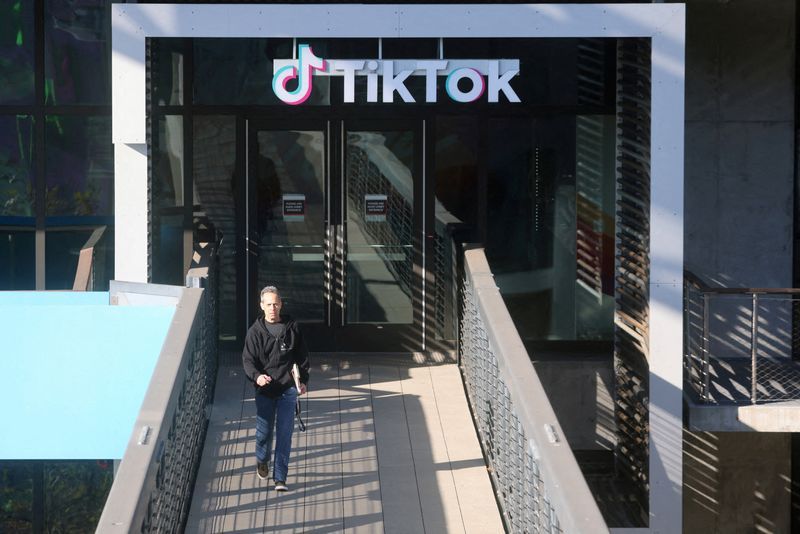
ByteDance's TikTok has agreed in principle to settle a high-profile lawsuit brought by a teenager who alleged the short-form video platform caused significant damage to his mental health, according to statements from his legal representatives at Morgan & Morgan. The settlement, though reached in principle, still requires finalisation of specific terms, but the development signals continued momentum in litigation against major social media companies over their alleged contribution to youth mental health crises.
The plaintiff, identified as R.K.C., is a 15-year-old from Florida who filed suit against multiple major social media platforms. His case represents part of an unprecedented wave of legal action targeting the business practices of tech giants. R.K.C. claims he began engaging with social media platforms around age eight and subsequently developed a problematic dependency, experiencing disrupted sleep patterns, depression, and anxiety as documented in court filings. His experience mirrors concerns raised by mental health professionals and policymakers across the globe regarding the psychological impact of social media exposure on young people.
In his original lawsuit, R.K.C. named four major defendants: YouTube under Google's ownership, Instagram owned by Meta Platforms, Snapchat operated by Snap Inc., and TikTok controlled by ByteDance. This multi-platform approach reflects the reality that many young users engage across several services simultaneously, potentially compounding exposure to engagement-maximising design features. YouTube reached a settlement with the plaintiff in June, while Meta and Snapchat remain positioned to proceed to trial, with legal proceedings scheduled to commence on July 27. The sequential settlement pattern suggests that defendants may be calculating the costs and risks differently as cases progress through the judicial system.
TikTok's settlement decision arrives ahead of what would have been California's second major state court trial examining claims that social media companies deliberately engineer addictive features targeting minors. This trial structure is particularly significant because California state courts have become the epicentre of litigation challenging social media business models. The legal context underscores how regional jurisdictions can become focal points for broader corporate accountability efforts, a dynamic that carries implications for Southeast Asian regulatory considerations as governments increasingly scrutinise tech platform operations.
The sheer volume of pending litigation demonstrates the systemic nature of concerns about social media's impact on youth. Over 3,300 individual lawsuits alleging addiction have been filed in California state courts alone, with another 2,600 cases involving individuals, educational institutions, municipal authorities, and state governments pending in California federal court. This litigation landscape has created significant financial exposure and reputational risk for the companies involved, potentially incentivising settlement over protracted litigation. The scale suggests this is not isolated litigation but rather a coordinated challenge to fundamental aspects of how social media companies monetise user engagement.
All named companies have consistently denied allegations that they deliberately design platforms to be addictive to younger users, instead emphasising their implementation of safety measures and age-appropriate controls. However, the settlement patterns and court verdicts tell a different narrative. In March, California's first trial in this category concluded with findings that Meta and Google had been negligent, resulting in a jury order for Meta to pay $4.2 million in damages and Google to pay $1.8 million. These verdicts withstood judicial challenge when the presiding judge rejected both companies' motions to overturn the jury's decision in June, affirming the viability of these legal theories.
The first major federal court litigation similarly advanced plaintiffs' interests substantially. A Kentucky school district pursued claims against Meta, Snap, TikTok, and YouTube regarding alleged misrepresentation of platform safety and intentional design choices targeting children. Rather than proceeding to trial, all four defendants chose to settle collectively, paying the school district a combined $27 million. This federal settlement demonstrates that institutional plaintiffs, armed with resources to conduct extended litigation, can achieve significant monetary recoveries even before trial proceedings commence.
Beyond the California and federal courts, the legal pressure extends nationwide. Nearly every state in the United States has independently filed lawsuits against these companies in their own jurisdictions, creating a fragmented but broadly coordinated legal challenge. These state-level actions mirror claims made in federal and California courts, specifically alleging that companies misrepresented platform safety features while simultaneously architecting their services to create dependency among youth populations. For Malaysian observers, this multi-jurisdictional approach illustrates how determined regulators and private litigants can create cumulative pressure on technology companies operating across borders.
The cascading settlements and verdicts have forced social media companies to recalculate their litigation strategies and risk exposure. Each settlement or adverse judgment potentially establishes precedent or creates financial momentum that influences subsequent cases. TikTok's decision to settle before trial, rather than proceed to jury determination, may reflect calculations about the strength of defence arguments in light of previous verdicts, or it may represent strategic positioning ahead of the Meta and Snapchat trial. The company may also be considering broader geopolitical considerations, given ongoing regulatory scrutiny it faces internationally.
These developments carry particular relevance for Southeast Asia and Malaysia specifically. As Malaysian regulators and legislators examine social media's impact on young populations, the California litigation provides a detailed roadmap of specific alleged harms and the mechanisms through which platforms allegedly cause them. Malaysian courts do not currently see comparable volumes of addiction-related social media litigation, but that landscape could shift if either legislative changes or judicial interpretations enable similar causes of action. The outcomes in American courts may influence how Malaysian legal and regulatory frameworks evolve in addressing platform accountability.
The broader implication of this litigation wave extends beyond monetary damages to questions about how technology companies can operate profitably while simultaneously addressing legitimate concerns about their effects on vulnerable populations. Social media platforms face a fundamental tension between engagement-based business models and claimed commitments to youth safety. Until business model incentives change, litigation and regulatory pressure may remain the primary mechanisms through which accountability occurs. For young users and their families across Southeast Asia, the American legal developments suggest that holding technology companies accountable for harmful design practices is neither futile nor unprecedented.

