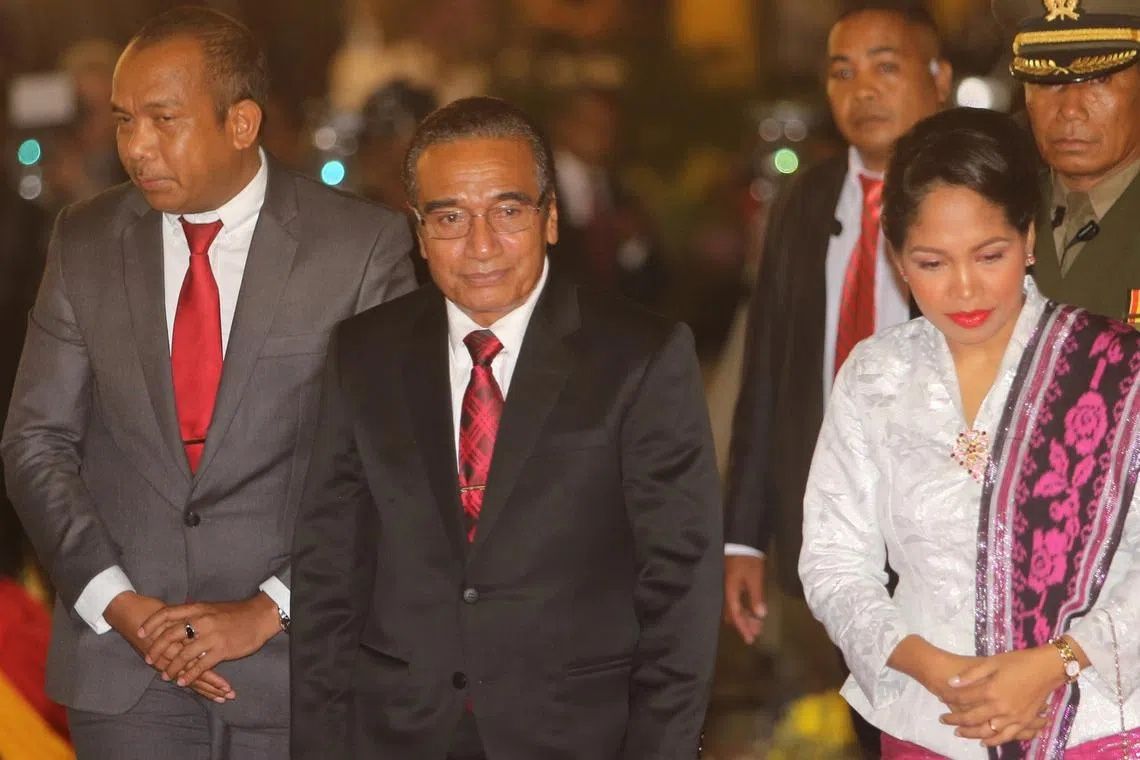
The government of Timor-Leste announced a week of national mourning on June 22 following the death of former president Francisco "Lu-Olo" Guterres, who passed away at a Malaysian hospital over the weekend. At 71, Guterres left behind a towering legacy spanning more than four decades of involvement in the country's struggle for independence and nation-building. His death marks the loss of one of Southeast Asia's most iconic revolutionary figures, a man whose personal journey mirrored the turbulent history of his young nation.
In recognition of his contributions, Dili has ordered all public buildings, diplomatic missions, and consulates to lower their flags to half-mast during the period of mourning. The solemn gesture underscores the profound respect held for Guterres across the political spectrum, despite partisan differences that characterised his later years in office. His brother Domingos Guterres confirmed that the former leader's remains are expected to return to the capital on Tuesday, though final funeral arrangements remain under discussion as the family navigates the logistics and emotional weight of the occasion.
Guterres's presidency, which ran from 2017 to 2022, represented the culmination of a lifetime devoted to East Timorese self-determination. He ascended to the nation's highest office with overwhelming popular support, winning the 2017 election with more than 57 percent of the vote. This decisive victory reflected his standing among ordinary Timorese, who viewed him as an authentic symbol of the independence movement rather than a politician of convenience. His tenure saw him grapple with the complex challenges of consolidating democracy and addressing the economic vulnerabilities facing a resource-dependent state navigating its early years of sovereignty.
His 2022 re-election bid, however, ended in defeat when he faced Nobel Peace Prize laureate Jose Ramos-Horta in a runoff vote. The electoral setback did not diminish Guterres's place in national consciousness. Ramos-Horta, who prevailed in that contest, moved swiftly to honour his predecessor by issuing a statement describing him as a "great patriot" whose passing represented "a great loss for the nation." The magnanimous tribute illustrates how even political rivals recognised the singular importance of Guterres's contributions to Timorese independence and statehood.
Guterres's early life shaped the arc of his political career. Born into humble circumstances, he rose through the ranks of the armed resistance against Indonesia's three-decade occupation, which inflicted tremendous suffering on the East Timorese population. When independence finally arrived in 2002, after a brutal quarter-century of conflict and repression, Guterres was among the veterans most closely identified with that hard-won victory. For younger Timorese, he embodied the sacrifices made by an entire generation to secure the nation's freedom.
His leadership of the Revolutionary Front for an Independent East Timor, commonly known as Fretilin, gave him a platform to shape post-independence politics. Though he stepped away from the party presidency by the time of his death, his association with the movement remained central to his identity. The party itself issued condolences alongside the government, recognising that Guterres's departure represented a severing of direct links to the founding era of modern Timor-Leste.
The Guterres family has requested privacy as they process their grief and prepare for final farewells. In a statement released to the media, relatives urged supporters and the public to respect their space during the difficult period ahead, whilst acknowledging the outpouring of affection directed toward the former leader. This balance between honouring his public significance and protecting family dignity reflects the complex emotional landscape surrounding his passing.
The regional implications of Guterres's death extend beyond Dili. Malaysian Prime Minister Datuk Seri Anwar Ibrahim expressed his condolences, noting that Malaysia mourns alongside the Timorese people. This expression of solidarity underscores the interconnectedness of Southeast Asian nations and the respect Guterres commanded beyond his borders. That he spent his final days in a Malaysian hospital itself speaks to the cross-border medical and social ties that bind the region together.
Guterres's passing arrives at a moment when Timor-Leste continues consolidating its institutions and addressing development challenges. The departure of a founding figure forces reflection on questions of national identity and continuity. Younger generations who did not experience the independence struggle directly will increasingly shape the nation's future, yet figures like Guterres provided a living link to the sacrifices and values that underpinned Timorese statehood. His legacy will likely deepen in significance as time passes, transforming him into an even more symbolic representation of the struggle that forged the nation.

