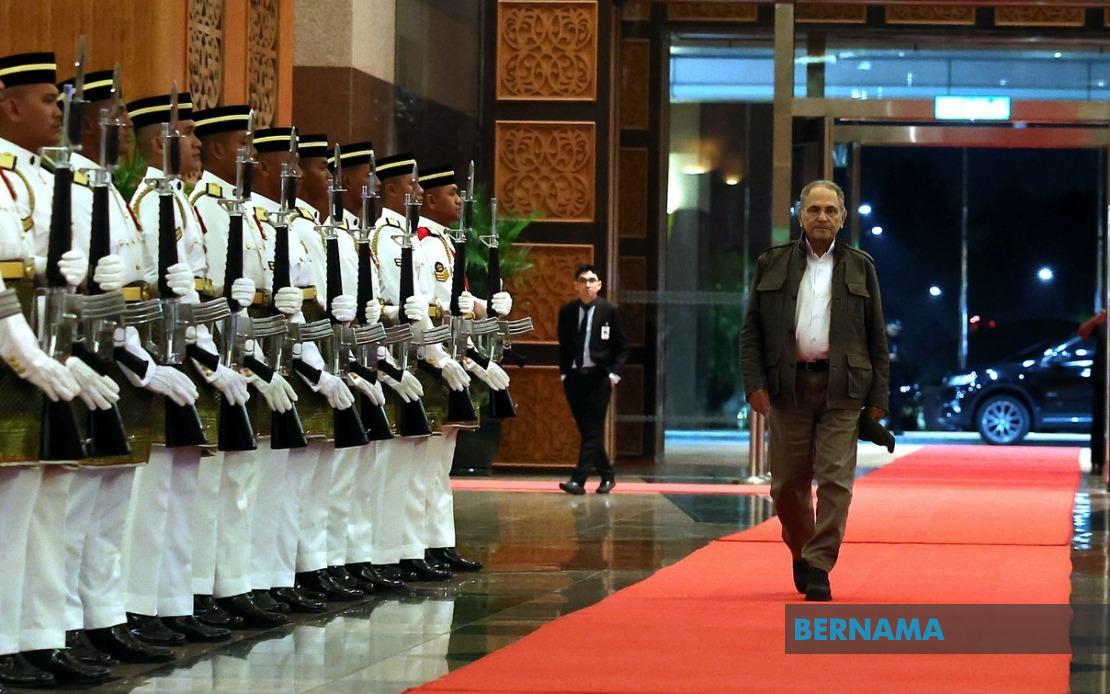
Timor-Leste President Jose Ramos-Horta departed Malaysia early today, concluding a five-day special visit that underscored the two nations' commitment to deepening diplomatic and economic partnerships. The President and his delegation boarded a Batik Air flight from Kuala Lumpur International Airport Terminal 1 at 2.15 am, concluding a trip that brought together senior officials from both countries to discuss expanding cooperation across multiple sectors.
The departure ceremony at KLIA saw Ramos-Horta accorded full ceremonial honours, with a Guard of Honour mounted by the First Battalion Royal Ranger Regiment. This formal recognition reflected the significance Malaysia and Timor-Leste place on their bilateral relationship, which has evolved substantially since Timor-Leste's independence in 2002. The meticulous protocol extended to the departing leader demonstrated the diplomatic importance both governments attach to strengthening ties in an increasingly multipolar Southeast Asian region.
During his stay, Ramos-Horta delivered remarks at a high-level dialogue session titled "A Changing World, Enduring Values" on June 15, where he characterised relations between the two countries as "exceptionally good." The Nobel Peace Prize laureate commended Malaysia's track record in maintaining security, upholding democratic institutions, and achieving sustained economic development—areas where Timor-Leste itself is working to consolidate gains. His public endorsement of Malaysia's regional standing carried particular weight, given his stature as an international figure and his role in Timor-Leste's nation-building process.
Ramos-Horta used the platform to express gratitude for Malaysia's historical backing of Timor-Leste, particularly during critical junctures. He specifically acknowledged Malaysia's pivotal support during the 1999 peacekeeping operations when Timor-Leste was navigating its transition to independence. More recently, Ramos-Horta highlighted Malaysia's instrumental role in facilitating Timor-Leste's accession to ASEAN, which was formally completed on October 26, 2025, when Timor-Leste became the bloc's eleventh member. This achievement represented a milestone in the young nation's international integration and validated Malaysia's diplomatic advocacy.
Looking ahead, Ramos-Horta projected confidence that Timor-Leste would be adequately prepared to assume the ASEAN chairmanship in 2029. He indicated that the government is accelerating infrastructure projects to meet the technical and logistical requirements for hosting the regional bloc's key meetings and forums. This confidence signals Timor-Leste's determination to play a substantive role within ASEAN and its recognition that successful chairmanship requires robust institutional capacity and world-class facilities.
Economic cooperation featured prominently in discussions between the two delegations. Ramos-Horta extended an invitation to Malaysian investors and businesses to consider opportunities within Timor-Leste's infrastructure development agenda. His pitch emphasised several attractive conditions for foreign capital: the nation's relatively low government debt levels, a well-capitalised sovereign wealth fund, and backing from multilateral financial institutions. These points were designed to counter perceptions of risk and position Timor-Leste as a potentially rewarding investment destination for Malaysian companies seeking expansion opportunities in Southeast Asia.
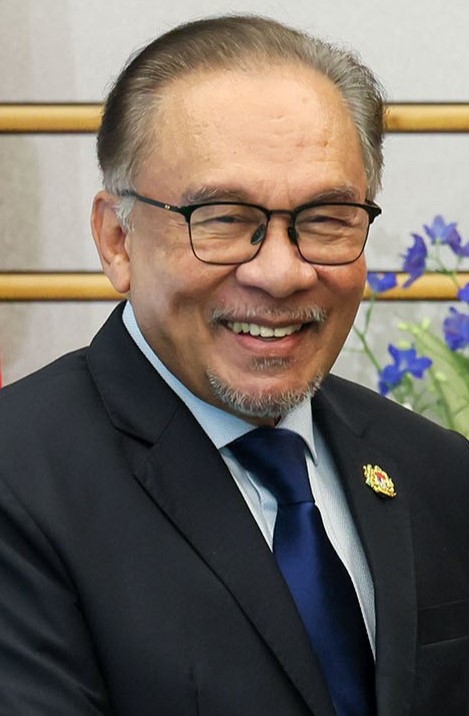
Prime Minister Datuk Seri Anwar Ibrahim formalised the visit's bilateral dimension by hosting Ramos-Horta at a state luncheon at the Seri Perdana Complex. The engagement between Malaysia's chief executive and the Timorese leader provided an opportunity for substantive discussions on broadening cooperation across trade, investment, human capital development, and technical training initiatives. Such high-level engagement signals commitment to moving bilateral relations beyond symbolic gestures toward concrete collaboration in areas directly affecting both nations' development trajectories.
Current trade patterns between Malaysia and Timor-Leste reveal significant room for expansion. Bilateral trade in 2024 totalled USD18.72 million, with Malaysia accounting for USD18.37 million in exports while importing only USD0.35 million from Timor-Leste. This substantial imbalance reflects both Malaysia's greater manufacturing capacity and Timor-Leste's limited export base—a structural reality that Ramos-Horta's infrastructure investment push aims to address. As Timor-Leste develops its productive sectors, bilateral trade volumes are likely to increase, potentially creating new opportunities for Malaysian companies across supply chains and service provision.
For Malaysia, the visit reinforced its position as a trusted partner for Timor-Leste's development and regional integration. Malaysia's support for Timorese ASEAN accession earned diplomatic capital and established goodwill that may yield returns as Timor-Leste becomes an increasingly active regional player. The emphasis on economic cooperation signals Malaysia's interest in benefiting from Timor-Leste's infrastructure expansion and development spending, even if near-term trade volumes remain modest compared with Malaysia's engagement with more established ASEAN partners.
For Southeast Asia more broadly, Timor-Leste's successful integration into ASEAN and its accelerating development partnerships represent a significant shift in regional geopolitics. The nation occupies a strategic location in the eastern reaches of the archipelago, sitting astride important maritime routes and possessing energy resources. Malaysia's cultivation of ties with Dili therefore carries implications for regional security architecture and economic corridors. As Timor-Leste develops, partnerships with established ASEAN members like Malaysia become vehicles for channelling development benefits and strengthening multilateral cohesion.
Ramos-Horta's visit also reflected broader Southeast Asian trends toward deepening economic interdependence and diplomatic cooperation. The focus on infrastructure investment, human capital development, and technical knowledge transfer aligns with ASEAN's stated development priorities and the region's aspirations for inclusive growth. Malaysia's welcoming posture and substantive engagement offer a template for how established regional powers can support emerging members' capacity-building while pursuing mutual economic interests.
The five-day visit concluded with both nations reaffirming their commitment to regular high-level engagement and sustained cooperation across multiple domains. As Ramos-Horta returned to Dili, the diplomatic groundwork laid during the Malaysia trip would likely translate into concrete initiatives spanning trade promotion, investment facilitation, and technical collaboration. For Malaysian businesses and policymakers, the visit represented an opportunity to position themselves advantageously within Timor-Leste's development agenda—a potentially significant consideration as the young nation accelerates its growth trajectory and integrates more deeply into regional frameworks.