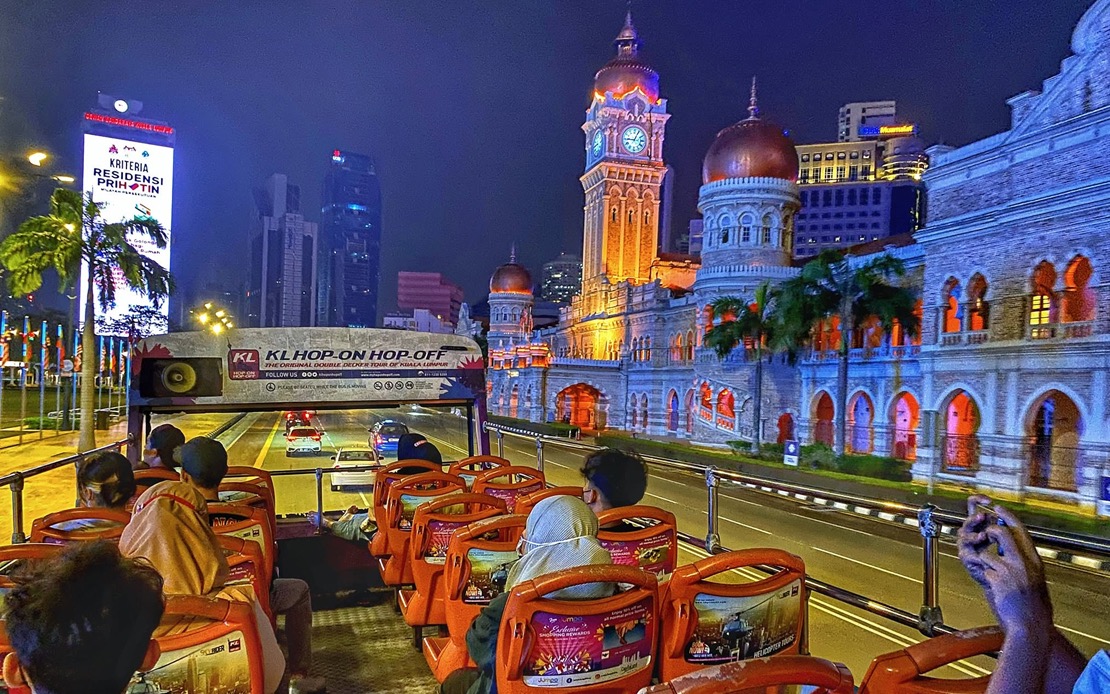
Tourism Malaysia has partnered with KL Hop-On Hop-Off operator Elang Wah Sdn Bhd to launch a fresh domestic tourism campaign designed to energise local travel patterns and build momentum towards the Visit Malaysia 2026 initiative. The collaboration was unveiled on June 24 and centres on repurposing the iconic sightseeing buses that traverse Kuala Lumpur's tourist circuits as mobile promotional billboards for the country's diverse attractions.
Minister of Tourism, Arts and Culture Datuk Seri Tiong King Sing emphasised that domestic tourism continues to function as a cornerstone of Malaysia's broader tourism economy, generating substantial multiplier effects across employment, economic output and grassroots community prosperity. He noted that campaigns of this nature extend beyond mere promotional activity; they serve to deepen awareness among Malaysian citizens regarding the richness of domestic holiday destinations whilst simultaneously strengthening the supply-side quality of tourism operators and hospitality providers who will feature prominently during the Visit Malaysia 2026 campaign.
The initiative deploys six KL Hop-On Hop-Off buses fitted with specially commissioned visual wraps that highlight major tourism landmarks spanning fifteen states and federal territories. Among the featured destinations are the Sri Sendayan Mosque in Negeri Sembilan and the Pinnacles of Mulu in Sarawak, representing both cultural heritage and natural wonders that appeal to diverse traveller preferences. This geographic spread ensures that the campaign communicates the breadth of Malaysia's tourism inventory to both residents and day-trippers across the urban Klang Valley area, where these buses operate most intensively.
A technological dimension strengthens the campaign's reach beyond immediate passenger audiences. The bus wraps incorporate QR codes that enable both passengers and street-level observers to access special promotional offers linked to Visit Malaysia 2026, browse the official Calendar of Events, and navigate state-level tourism websites. This integration of traditional advertising with digital infrastructure allows the campaign to function as a gateway connecting casual brand exposure to deeper engagement and potential booking conversion among domestic travellers researching their next getaway.
The timing of this campaign aligns with demonstrable momentum in Malaysia's domestic tourism market. During 2025, the sector experienced accelerated growth, recording a 21.3 per cent year-on-year increase in visitor arrivals that reached 290.1 million individuals, compared with 260.1 million in 2024. This expansion occurred despite the presence of international travel alternatives and reflects growing confidence among Malaysian households regarding domestic spending on leisure activities.
Expenditure patterns reveal similarly healthy dynamics. Total domestic tourism spending surged by 13.3 per cent to reach RM121.0 billion in 2025, up from RM106.7 billion in 2024. The ratio of spending growth (13.3 per cent) to visitor growth (21.3 per cent) suggests that whilst volume increases are driving the upward trajectory, per-visitor spending remains relatively modest, indicating significant untapped potential to enhance the average value of domestic tourism transactions through improved product offerings and better marketing of premium experiences.
For regional observers and tourism stakeholders across Southeast Asia, Malaysia's domestic tourism performance offers instructive lessons. The country has successfully maintained domestic market resilience even as international visitor numbers recover, suggesting that marketing campaigns targeting resident populations—rather than focusing exclusively on inbound foreigners—remain commercially viable and economically valuable. This approach diversifies revenue risk and builds local brand loyalty that sustains demand during periods of external uncertainty.
The Visit Malaysia 2026 campaign itself represents a significant inflection point in Malaysia's tourism strategy. By weaving domestic visitor stimulation into the fabric of this national initiative, policymakers are implicitly acknowledging that healthy inbound tourism depends partially on residents becoming effective ambassadors for their own country. Domestically satisfied tourists accumulate memories, insights and recommendation networks that influence both their future international travel patterns and their capacity to host visiting relatives and friends from abroad.
The partnership with KL Hop-On Hop-Off reflects a pragmatic approach to tourism marketing that leverages existing commercial infrastructure rather than requiring substantial new public capital expenditure. Bus operators gain branding visibility and potential incremental ridership as curious citizens engage with the promotional content; Tourism Malaysia and state tourism boards access a mobile advertising platform with daily exposure to thousands of commuters and tourists; and domestic travellers receive curated information about destinations they might otherwise overlook. This alignment of interests suggests that similar collaborations with private transport and hospitality operators could extend the campaign's reach across other Malaysian cities and regions.
Looking ahead, the success of this initiative will likely depend on the quality and currency of the tourism products being promoted through the bus wraps and QR code linkages. Outdated event calendars, broken digital links or genuinely disappointing experiences at promoted destinations could undermine the campaign's credibility. Conversely, seamless coordination between the promotional materials and actual on-ground experiences—supported by responsive state tourism bodies and hospitality operators—could establish a template for future domestic tourism initiatives that sustains growth momentum through 2026 and beyond.

