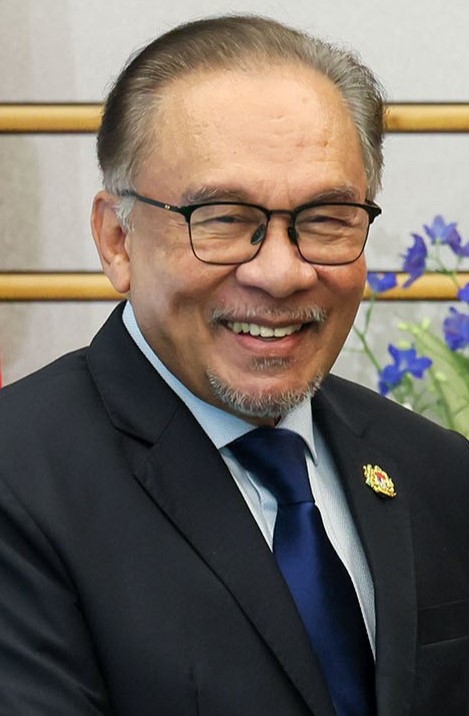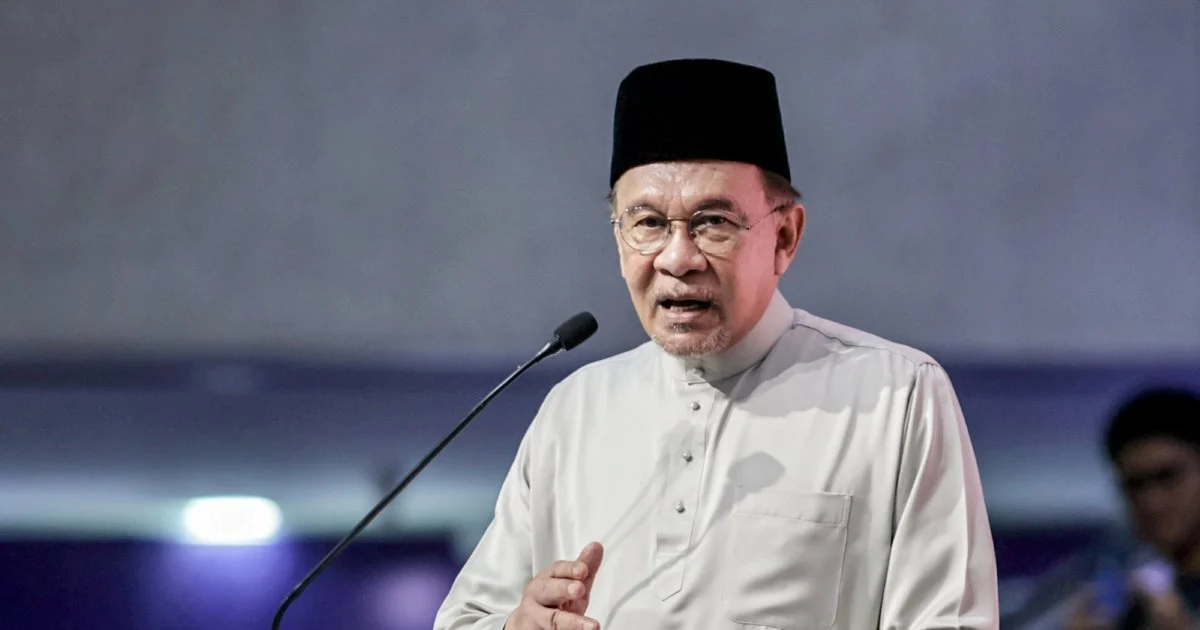
Prime Minister Datuk Seri Anwar Ibrahim was received by the Tunku Mahkota of Johor, Tunku Ismail Sultan Ibrahim, during an audience in Kuala Lumpur today. Officials characterised the encounter as warm and constructive, reflecting ongoing engagement between the federal government and one of Malaysia's most prominent royal figures.
The meeting between the two leaders underscores the importance of maintaining positive working relationships across Malaysia's constitutional framework. As the heir to the Johor throne and a figure of considerable influence in the nation's political landscape, the Tunku Mahkota's interactions with the Prime Minister carry significance beyond the immediate diplomatic courtesy they represent.
Tunku Ismail Sultan Ibrahim has become an increasingly visible presence in Malaysian public life over recent years, leveraging his platform to comment on matters ranging from governance to national development. His engagement with the Prime Minister signals a collaborative approach to addressing issues that concern both the federal government and the state of Johor, which remains economically significant and strategically positioned within the broader Southeast Asian region.
The cordial nature of the discussion suggests alignment on key matters of mutual interest. Such audiences typically provide opportunities for the exchange of perspectives on governance, economic development, and the advancement of shared national objectives. The harmonious tone indicates the absence of substantive friction between the office of the Prime Minister and the Johor royal institution.
For Malaysian observers, these formal interactions between federal leadership and state-level royal authority serve as barometers of institutional cohesion. The constitutional monarchy framework places considerable emphasis on the maintenance of cordial relations between elected leaders and hereditary rulers, making such meetings important indicators of broader political stability and institutional respect.
The timing and nature of the audience may also carry relevance for the administration's broader political consolidation efforts. Maintaining strong relationships with influential royal figures across Malaysia's constituent states remains essential for any government seeking to govern effectively and enjoy widespread legitimacy. The Johor royal household, in particular, commands substantial respect both within its state and across the federation.
Tunku Ismail has demonstrated considerable interest in contemporary issues affecting Malaysia's trajectory, from infrastructure development to youth engagement and economic transformation. His participation in public discourse on these matters has positioned him as more than a ceremonial figure, lending additional weight to his interactions with senior government officials.
The Prime Minister's willingness to prioritise this audience reflects institutional awareness of the importance of maintaining constructive channels with influential figures operating within Malaysia's intricate power structures. The federation's political system requires coordination across multiple layers of authority, and direct engagement between such figures facilitates the smoother functioning of governance.
Regionally, Malaysia's domestic political stability and the demonstrable harmony between key institutions contribute to the country's standing as a reliable partner within Southeast Asia. Visitors, investors, and observers elsewhere in the region monitor the health of Malaysia's internal relationships as an indicator of overall institutional strength and predictability.
The description of the meeting as harmonious carries particular weight given the occasionally fractious nature of federal-state relations in Malaysian politics. When senior meetings proceed without public rancour or subsequent recriminations, they merit noting as positive indicators of working relationships that transcend partisan political alignments.
Looking forward, the substance of discussions during such audiences rarely enters the public domain in detail, as is customary within Malaysia's constitutional framework. However, the positive characterisation of their encounter suggests that the Prime Minister and the Tunku Mahkota of Johor continue to share understandings on matters of importance to both the national government and the state administration.
These periodic engagements form part of the broader tapestry of Malaysia's governance architecture, where formal respect, constitutional propriety, and institutional cooperation remain foundational to stable administration. The successful conduct of such high-level meetings contributes incrementally to the maintenance of the political consensus that underpins Malaysia's continued development and stability in an increasingly complex regional environment.