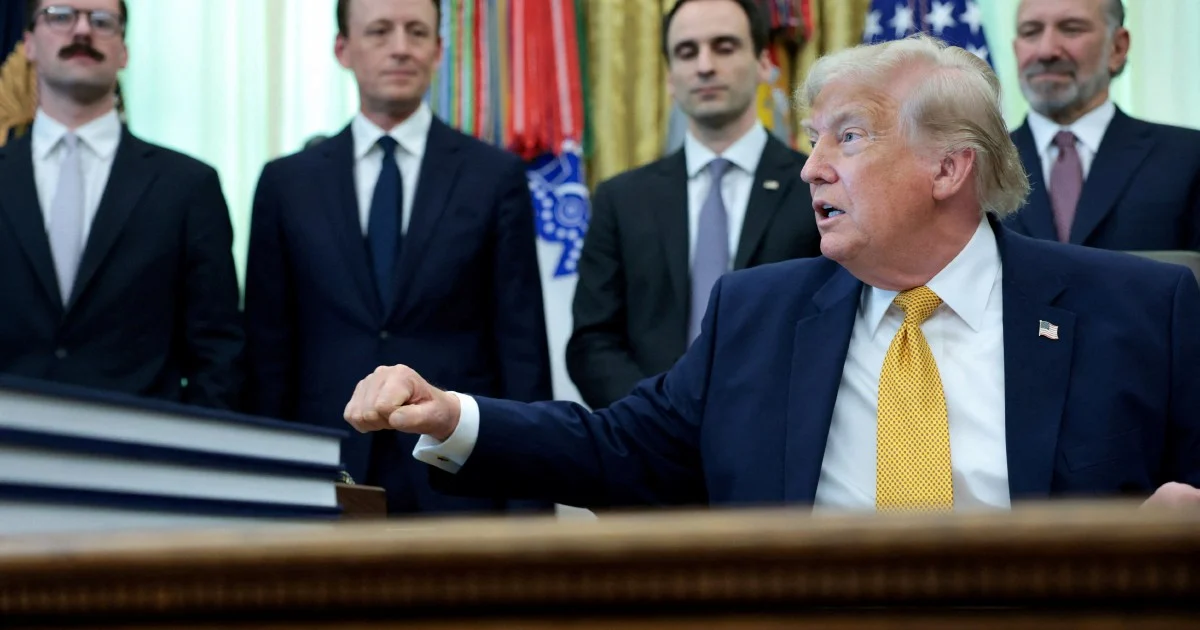
American law enforcement agencies made two fresh arrests on Monday in connection with an alleged conspiracy to attack the White House while the sitting US President Donald Trump was hosting a mixed martial arts fight on the premises, according to announcements from the Justice Department. The expanding investigation into what officials describe as a coordinated plot underscores heightened security concerns surrounding the president's residence and high-profile public events held there.
The specific details of how the alleged plot would have been executed, the identities of all conspirators, and the timeline of planning remain subjects of ongoing investigation. Law enforcement has not yet disclosed what prompted suspicions that such an attack was being contemplated, nor the mechanisms through which authorities detected and intercepted the alleged scheme. The involvement of additional arrests suggests a network of individuals may have been coordinating around a shared objective.
White House security protocols have become increasingly scrutinized in recent years following various incidents and breaches. The prospect of coordinated violence during a major public event at the president's residence represents a particularly serious concern for Secret Service personnel and other protective agencies. The decision to host a mixed martial arts event on the White House lawn would have created unprecedented operational challenges for security teams, given the large crowds and complex logistics such an event would entail.
Mixed martial arts events have grown substantially in mainstream popularity across the United States, attracting international audiences and significant media attention. The hypothetical venue of the White House lawn would have represented an extraordinarily unusual location for such entertainment, potentially symbolizing the president's alignment with the sport and its culture. Whether this particular event was scheduled or remained purely speculative at the time the alleged plot was discovered has not been clarified.
The Justice Department's involvement in announcing these arrests reflects the gravity with which federal authorities treat any conspiracy involving threats to presidential safety and national security infrastructure. Federal prosecutors typically pursue such cases vigorously, often applying serious charges that carry substantial prison sentences. The specific criminal charges filed against the arrested individuals will likely emerge through court filings in coming days.
For Southeast Asian observers, these developments illustrate the visible security challenges that democracies face when balancing open public access with presidential protection. Malaysia and other regional nations often monitor international security protocols and threat assessments, particularly regarding crowd management at large public events. The incident raises questions about how host nations assess risks when controversial or unusual venues are chosen for major gatherings.
The timing and nature of the alleged plot—targeting what would have been a high-profile gathering at America's most symbolically significant residence—suggests sophisticated planning or at least detailed knowledge of presidential schedules and movements. This dimension of the investigation may reveal how intelligence networks identify emerging threats before they materialize into concrete violence. The fact that the plot appears to have been detected and disrupted before reaching an advanced operational stage demonstrates functioning counterintelligence and law enforcement capabilities.
The expansion of arrests from initial figures to at least two additional suspects indicates investigative momentum and potentially widening networks of conspirators. Each new arrest typically generates additional leads and evidence that may implicate further individuals. The investigation's trajectory will likely continue to produce developments as interrogations proceed and evidence is analyzed. Federal prosecutors typically share information about such investigations selectively to avoid compromising ongoing operations.
Congress and oversight committees will presumably scrutinize these events to ensure that security agencies detected and responded appropriately to threats. The incident may trigger policy discussions about event planning at sensitive government locations and resource allocation for protective services. Similar discussions have followed previous security incidents affecting the White House and other critical infrastructure sites.
For the general American public and international observers, such arrests serve as reminders of persistent threats to national leaders and government buildings. While specific details remain limited, the announcements confirm that federal agencies maintain active monitoring and investigative capacity. The case will likely move through federal courts over coming months, with public proceedings revealing additional details about the alleged conspiracy, the evidence against the accused, and the motivations driving those involved. The outcomes of prosecutions may also influence future discussions about security frameworks for presidential events.

