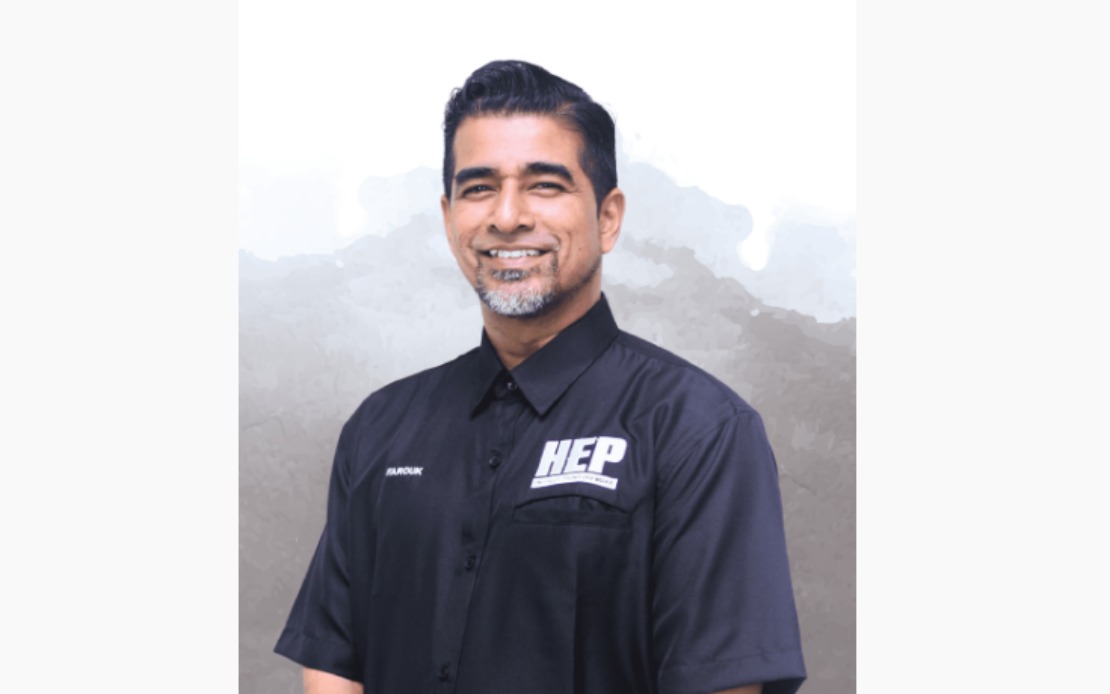
Universiti Teknologi MARA (UiTM) Kelantan branch is making a concerted push to persuade students from low-income households to embrace higher education opportunities rather than declining places due to financial constraints. Speaking at the UiTM Kelantan Branch Rector's Cakna Programme in Kota Bharu, Deputy Rector for Student Affairs Meer Zhar Farouk Amir Razli emphasised that multiple assistance mechanisms exist to support vulnerable learners, challenging the widespread perception that cost remains an insurmountable barrier to university education in Malaysia.
The university has established an ecosystem of financial aid extending well beyond conventional student loans. While many families remain tethered to the National Higher Education Fund Corporation (PTPTN), which provides the primary financing vehicle for Malaysian tertiary students, UiTM Kelantan has diversified its support portfolio substantially. The institution now offers zakat-based assistance programs that align with Islamic principles of community welfare, institutional welfare funds designed to address immediate hardship, and subsidised living arrangements through dedicated support initiatives.
A cornerstone of this support framework is the "Dapur MADANI" initiative, which operates within residential colleges across the campus. This programme directly targets the living expense burden that so often proves decisive in a disadvantaged family's decision to reject an offer. By providing structured assistance with accommodation-related costs throughout the academic year, the initiative reduces the total financial outlay required from already-stretched household budgets. For families with multiple dependents and single income sources, such targeted intervention can mean the difference between a child's educational advancement and economic stagnation.
Meer Zhar's intervention reflects a broader institutional recognition that Malaysia's public universities cannot fulfill their social mobility mandate if qualified students from poor backgrounds systematically decline places. Competition for admission to Malaysia's public higher education sector has intensified significantly in recent years, driven by growing numbers of school leavers and relatively constrained institutional capacity. This heightened competition renders each available place increasingly valuable, yet paradoxically, the financial burden associated with university attendance has simultaneously increased for families struggling with cost-of-living pressures.
The university has partnered with local non-governmental organisations to extend the reach of its support apparatus. This collaborative approach acknowledges that institutional funding alone cannot address the multifaceted challenges facing newly enrolled students. NGOs bring community-based knowledge, existing relationships with vulnerable populations, and specialised expertise in identifying and assisting households experiencing acute financial distress. By channelling support through these organisations, UiTM Kelantan demonstrates understanding that university administration must operate in concert with civil society to effectively reach its most marginalised potential students.
The lived experience of Norzarra Dhania Amir Abdullah, 19, illustrates both the barriers and possibilities. As the eldest of seven siblings, Norzarra Dhania represents a common Malaysian narrative: families in which a single income earner sustains multiple dependents and where unexpected health crises devastate financial capacity. When her father developed diabetes four years ago, the family's economic trajectory shifted fundamentally. Her mother's income as a restaurant assistant became insufficient to maintain previous living standards while simultaneously funding tertiary education for any child. When Norzarra Dhania received an offer to pursue studies at UiTM Sarawak the previous year, the family confronted a painful choice: accepting placement in a distant state or preserving limited resources for immediate household survival. They chose survival.
Yet Norzarra Dhania's subsequent admission to UiTM Kelantan represented a qualitatively different opportunity. Geographic proximity to her family home in Jalan Kebun Sultan translated directly into financial advantage: reduced transportation costs, potential to contribute to household tasks without residential separation, and reduced overall living expenses compared to studying in East Malaysia. This case underscores a crucial reality for Malaysian policymakers and institutional leaders—that access to higher education for underprivileged students depends not merely on removing financial barriers but on structuring opportunities within frameworks that acknowledge family obligations and household economics.
The Rector's Cakna Programme itself embodied UiTM Kelantan's commitment to identifying and supporting struggling students before rather than after educational crisis. Presenting a laptop to Norzarra Dhania at her family home represented proactive intervention—equipping her with tools essential for contemporary academic success while simultaneously communicating institutional investment in her success. For a student from a family where accumulated capital extends primarily to meeting basic needs, such provision of technology removes a significant barrier to academic participation.
Norzarra Dhania will pursue a Diploma in Management, positioning herself for entry into Malaysia's growing service and administrative sectors. Her trajectory—from a position where higher education seemed unaffordable, through institutional intervention, toward qualified professional status—exemplifies the potential unlocked when public universities actively combat the poverty-education access trap. Her success will not simply advance her individual economic prospects; it will contribute to her family's broader wellbeing and potentially influence younger siblings' educational trajectories.
The messaging from UiTM Kelantan extends beyond individual student cases to address systemic patterns in Malaysian higher education. When qualified students decline places due to cost considerations, the nation forfeits human capital development and perpetuates intergenerational poverty cycles. Public universities, operating within frameworks emphasising meritocratic selection, bear institutional responsibility for ensuring that merit translates into actual participation regardless of economic circumstance. By actively publicising available support mechanisms and encouraging applications from economically vulnerable candidates, UiTM Kelantan confronts a critical gap between formal opportunity and practical accessibility.
The institution's approach also addresses information asymmetries that commonly afflict disadvantaged families. Students from professional, educated households typically possess detailed knowledge of available financial support, institutional processes, and strategic approaches to university financing. Families without such background knowledge frequently underestimate available assistance or assume rejection without exploring options. UiTM Kelantan's outreach specifically targets this knowledge gap, recognising that informed decision-making about higher education requires not merely that assistance exists but that prospective students and families understand what assistance they can access.
As Malaysia continues developing its higher education system to meet workforce skill demands and facilitate social mobility, the experience of institutions like UiTM Kelantan provides a template. Diversifying funding sources beyond PTPTN loans, embedding support within residential systems, partnering with community organisations, and proactively communicating available assistance all contribute to translating formal admission offers into actual student participation. For students like Norzarra Dhania, such institutional commitment means the opportunity to transform family circumstances through educational advancement—a possibility that would otherwise remain unrealised despite demonstrated capability.

