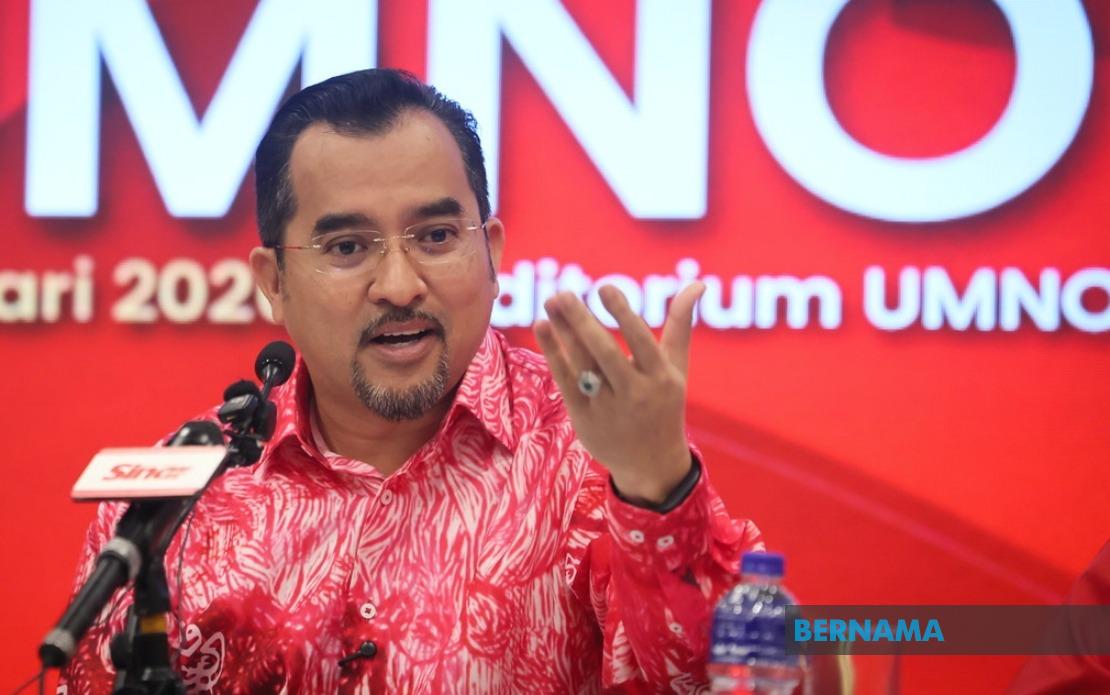
The sudden resignation of UMNO stalwart Datuk Dr Mohd Puad Zarkashi has exposed internal tensions within Malaysia's longest-ruling party, with party secretary-general Datuk Dr Asyraf Wajdi Dusuki revealing that candidacy disputes—rather than principled disagreement—triggered the high-profile departure. In a social media statement released in Johor Bahru, Asyraf Wajdi attributed Mohd Puad's decision to step down with immediate effect to disappointment that his son failed to secure the party's nomination for the Rengit state seat ahead of the July 11 Johor state election.
Mohd Puad, a Supreme Council member whose exit was announced via Facebook, had framed his departure as a move toward greater personal freedom of expression. However, according to Asyraf Wajdi's account, the underlying grievance centred on candidate selection for the Rengit constituency. The secretary-general asserted that Mohd Puad had explicitly threatened to leave the party and launch public attacks on UMNO unless the leadership capitulated to his request that his son be fielded as a candidate, presenting party leadership with what amounted to political blackmail.
The dispute reflects broader questions about power, succession, and institutional integrity within UMNO, a party that has dominated Malaysian politics for decades. Asyraf Wajdi's intervention—publicly detailing Mohd Puad's alleged threats and rejecting his complaints—signals an attempt by the party establishment to frame the departure as a personal matter rather than a reflection of systemic problems. By characterizing Mohd Puad's conduct as unreasonable and self-interested, UMNO's leadership sought to pre-empt broader narratives suggesting that factional disputes or palace interference might be destabilizing the party structure.
Crucially, Asyraf Wajdi dismissed Mohd Puad's claims that Johor's royal institution exerted controlling influence over party operations and had orchestrated the dissolution of the State Legislative Assembly. The secretary-general labelled these allegations as slander, asserting that UMNO must remain independent and not capitulate to pressure from individual members whose personal ambitions have been frustrated. This defence appears calibrated to protect not only the party's autonomy but also the credibility of institutional relationships between UMNO and the monarchy, relationships that carry symbolic weight in Malaysian governance.
According to Asyraf Wajdi's narrative, Mohd Puad had employed similar leverage during an earlier period, threatening to abandon UMNO after his non-renomination as Member of Parliament for Batu Pahat when Datuk Seri Najib Tun Razak led the party. The repetition of this pattern over time suggests either that Mohd Puad had developed a consistent approach to internal negotiations or that structural grievances within UMNO's candidate selection process create conditions for such disputes. Either interpretation raises questions about transparency and fairness in how the party determines who represents its interests in electoral contests.
Ashyraf Wajdi's argument that while Mohd Puad's son possesses youth and leadership potential, broader considerations must govern candidate selection reflects the tension inherent in any political organization seeking to balance meritocratic principles with practical electoral strategy and party building. The secretary-general contended that UMNO must not function as a hereditary institution prioritizing family connections and dynastic advancement, a statement that carries particular resonance given Malaysian politics' well-documented patterns of familial political networks. The assertion that personal interests must yield to the party's overarching mission suggests an ideological commitment to institutional continuity transcending individual desires.
For Malaysian observers following internal party dynamics, this episode illuminates the mechanisms by which senior leaders attempt to manage intra-party disputes and maintain organizational coherence. Asyraf Wajdi's public accounting of the circumstances surrounding Mohd Puad's exit serves multiple strategic purposes: it narrates the departure as a consequence of unreasonable personal demands rather than institutional failure, it demonstrates that the party will not yield to threats or pressure from members regardless of seniority, and it reinforces the message that UMNO remains committed to rational candidate selection divorced from factional or familial considerations.
The timing of this dispute intersects critically with Johor's electoral calendar. The State Legislative Assembly was dissolved on June 1, with nomination day set for June 27 and polling scheduled for July 11. Against this compressed timeline, high-profile resignations and public disagreements carry consequences for party morale and voter perception. Asyraf Wajdi's intervention appears designed to contain reputational damage by establishing a clear narrative before the election campaign fully mobilizes, reducing the likelihood that Mohd Puad's exit becomes ammunition for opposition parties or a symbol of institutional dysfunction.
The broader significance of this episode extends beyond Johor politics to how UMNO positions itself within Malaysia's competitive political landscape. The party faces ongoing challenges to its dominance, including internal factionalism, demographic shifts favoring younger voters, and erosion of support in urban constituencies. Public disputes involving senior figures illustrate these vulnerabilities and create openings for rival parties and critics to question UMNO's governance quality. Asyraf Wajdi's firm response, emphasizing the primacy of institutional interests over individual preferences, represents an attempt to demonstrate strong leadership and organizational discipline.
Moving forward, the implications of Mohd Puad's departure will depend partly on whether he emerges as a vocal critic or maintains a lower profile, and whether the Rengit candidacy ultimately proves consequential to the Johor election outcome. If the seat becomes competitive or changes hands, questions may resurface about whether UMNO's candidate selection process served the party's electoral interests optimally. Conversely, if UMNO performs strongly in Johor despite this internal friction, the departure may be characterized as a minor disruption handled decisively by leadership. The episode underscores the delicate balance party hierarchies must maintain between accommodating senior members' aspirations and preserving meritocratic principles and institutional integrity.

