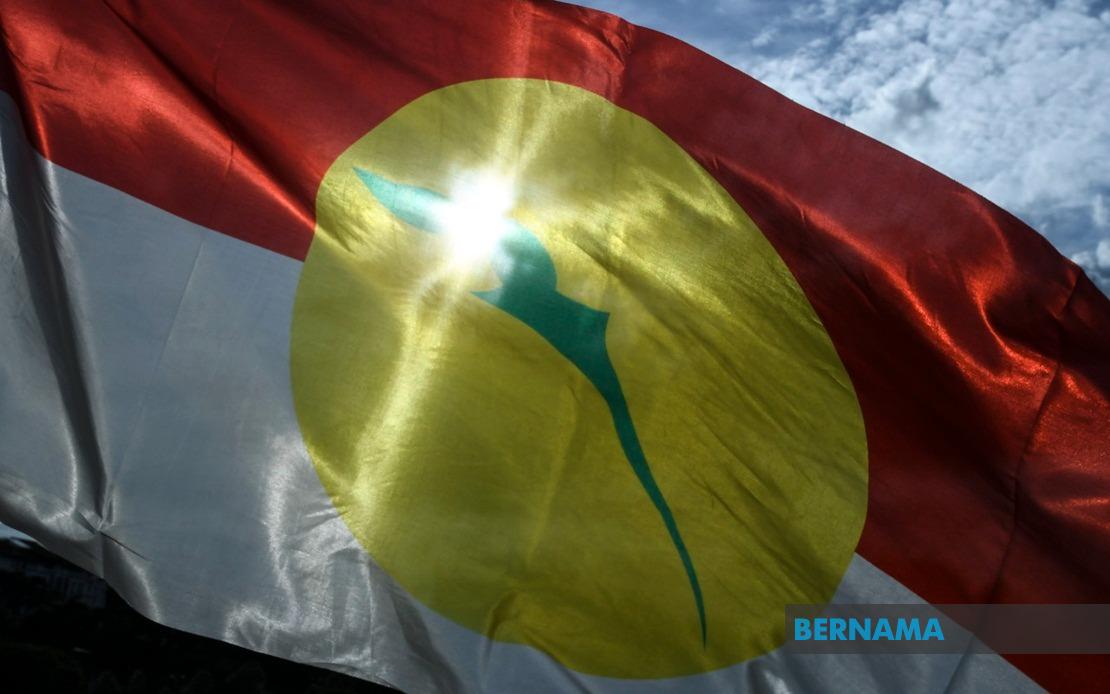
The countdown to Johor's 16th state election has exposed fissures within UMNO's ranks, prompting the party's information chief to make an unusually direct appeal for internal cohesion. Datuk Seri Azalina Othman Said's statement reflects growing concern within the party leadership that disappointment over the candidate nomination process could translate into fragmentation at a critical electoral moment, just as the state gears up for polling on July 11.
Azalina's remarks, delivered on June 25 from Johor Bahru, frame party discipline as a matter of fundamental principle. She argued that while UMNO members should feel entitled to voice disagreements and express frustration with outcomes, the moment the party hierarchy finalises its decisions through established channels, individual grievances must yield to collective action. This distinction—between the freedom to debate internally and the obligation to comply once decisions are made—strikes at the heart of how traditional hierarchical political organisations maintain their structural integrity during periods of internal conflict.
The underlying tension centres on how candidates were selected for the election, a process that inevitably disappoints those left out. Azalina's framing suggests that the party's true character is tested not during moments of consensus, but when members face personal setbacks. She contends that maturity in politics means distinguishing between fighting for one's position during deliberations and accepting unfavourable outcomes with grace. The implicit message is that those who cannot accept this transition undermine the party's broader mission to serve the public.
Azalina pointedly reminded UMNO members that public scrutiny extends beyond campaign promises to encompass how the party handles internal pressure. This argument carries particular weight in the Malaysian context, where voters have increasingly demonstrated willingness to punish parties perceived as faction-ridden or lacking discipline. Recent electoral cycles have shown that internal party disputes, when visible to the electorate, can erode voter confidence more significantly than policy disagreements. Azalina's invocation of public watching suggests awareness that UMNO's electoral prospects depend partly on projecting unity.
The party's endorsement of Johor UMNO Liaison Committee chairman Datuk Onn Hafiz Ghazi and his selection team underscores the leadership's determination to close ranks behind the nomination outcomes. By publicly praising their "calm, discipline, and political courage," Azalina is signalling that the selection process, however contentious internally, was conducted properly and should not be reopened for debate. This tactic aims to prevent disappointed candidates and their supporters from using claims of procedural unfairness to justify continued dissent.
Azalina also sought to address anxieties about exclusion by emphasising UMNO's deep bench of available talent. Her assertion that the party "has never faced a shortage of leaders" and maintains a pipeline of grassroots figures and young contenders is designed to reassure those left out that their exclusion from this election does not reflect a lack of potential recognition. The implication is that many will get their turn in future contests, making current disappointment less permanent. This reframing attempts to transform exclusion from a rejection into merely a postponement.
However, these reassurances ring hollow against the concrete resignation of Datuk Dr Mohd Puad Zarkashi, an UMNO Supreme Council member who quit the party on June 25. Mohd Puad's departure carries particular weight because it represents not a foot soldier's frustration but a senior party figure's deliberate choice to exit rather than accept the decision. His resignation signals that for some within UMNO, party loyalty has limits, and that those limits can be reached when personal interests—in Mohd Puad's case, his son's failure to secure the Rengit state seat nomination—are adversely affected.
UMNO secretary-general Datuk Dr Asyraf Wajdi Dusuki's public attribution of Mohd Puad's resignation to his son's exclusion represents a strategic move to frame the departure as motivated by personal grievance rather than principled opposition. By identifying the specific source of displeasure, Asyraf Wajdi is attempting to limit Mohd Puad's resignation to a familial complaint rather than allowing it to represent broader discontent within the party. This strategy seeks to isolate the incident rather than acknowledge it as symptomatic of larger selection process tensions.
For Malaysian observers, the Johor selection controversy reflects broader patterns in Malaysian politics where family connections and succession expectations shape internal party dynamics. Nominations that disappoint members with hereditary claims to positions often provoke the most intense internal friction, as they touch on questions of fairness and established precedent within the political ecosystem. The Rengit seat nomination thus became flashpoint not merely because one candidate lost but because his father was a sitting Supreme Council member, raising expectations that family political capital would translate into advantage.
The timing of this internal turbulence—occurring as nominations approached and with less than two weeks until polling—complicates UMNO's campaign operations. Public acknowledgment of serious discontent, even when framed as a minor incident, invites media speculation about further defections and internal fractures. Azalina's appeal for unity, while rhetorically strong, cannot compel the compliance of those who have chosen to distance themselves from the party machinery, nor can it prevent independent candidates supported by UMNO dissidents from fragmenting votes in particular constituencies.
Looking ahead to July 11, the critical question is whether Azalina's discipline-focused messaging will successfully prevent broader member defection or whether Mohd Puad's resignation represents a crack that could widen. UMNO's ability to maintain voter support depends significantly on whether election day reveals a party unified in its campaign efforts or one still consumed by internal recriminations. The party's experienced leadership recognises that electoral outcomes often turn on such margins of focus and solidarity.

