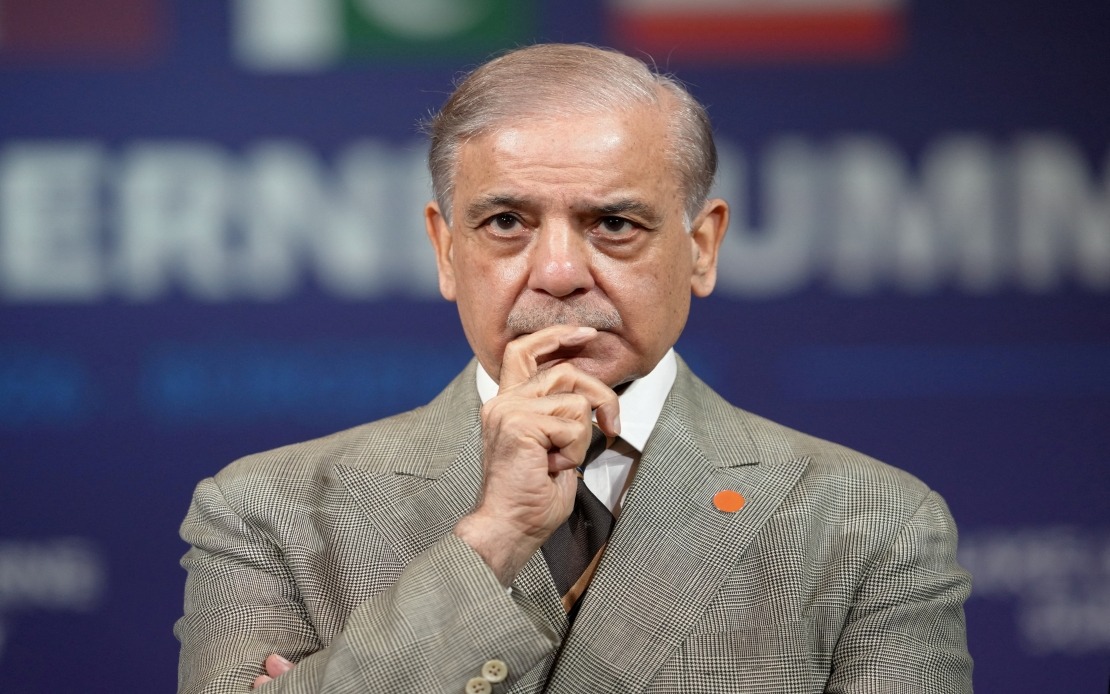
Pakistan's Prime Minister Shehbaz Sharif confirmed on Tuesday that intensive negotiations between the United States and Iran will resume within the next 60 days, focusing on three critical areas: the Iranian nuclear programme, ballistic missile capabilities, and billions of dollars in frozen Iranian assets. Speaking to lawmakers in the National Assembly in Karachi, Sharif expressed optimism that these discussions could transform a preliminary memorandum of understanding into a durable, long-term agreement between the two historically antagonistic powers.
The announcement builds on the momentum from recent talks held in Burgenstock, Switzerland, which concluded early Monday with both nations agreeing on procedural mechanisms to advance their negotiations. Pakistan and Qatar jointly mediated those discussions, with Pakistan also formally endorsing the resulting Islamabad Memorandum of Understanding signed on June 17. Sharif characterised the Switzerland talks as a significant breakthrough, suggesting that progress made there had created sufficient common ground to warrant the ambitious 60-day timeline for resolving more substantive disputes.
The scope of the upcoming negotiations remains broad but contentious. Beyond the nuclear question, which has dominated international diplomacy for years, the talks will address how Iran's ballistic missile arsenal fits into any eventual accord. This represents a notable expansion from previous negotiation frameworks, reflecting Washington's heightened focus on Iran's regional military capabilities. Simultaneously, the discussions will attempt to unlock some of the approximately $6 billion in Iranian funds held in restricted accounts internationally—a longstanding source of Iranian grievance and a potential incentive for Tehran's cooperation in other areas.
However, Iran's Foreign Ministry moved swiftly to complicate the narrative, issuing statements that appear designed to constrain expectations for the coming discussions. Spokesman Esmaeil Baghaei explicitly stated that Tehran's ballistic missile programme has never been on the negotiating table with the United States, contradicting implications from Sharif's remarks. This declaration suggests that Iran views its missile capabilities as a separate domain, potentially non-negotiable, and fundamentally linked to its deterrence posture in the Middle East. Such positioning could create an immediate obstacle to productive talks, should either side interpret the 60-day window as an opportunity to advance positions the other considers off-limits.
Even more concerning for potential agreement, the Iranian Foreign Ministry rejected the possibility of allowing International Atomic Energy Agency inspectors access to nuclear facilities that Washington and Israel had targeted during military operations. This stance reflects Iran's deep security concerns about foreign monitoring and its historical grievances regarding the IAEA's role in previous negotiations. The demand suggests Tehran fears that expanded inspection regimes could provide intelligence for future strikes and therefore views unfettered IAEA access as incompatible with national security.
The positioning of both sides indicates that while Switzerland talks produced sufficient progress to justify continued engagement, fundamental disagreements persist on several fronts. Iran's statements appear calibrated to manage domestic expectations and demonstrate to hardliners at home that Tehran has not capitulated on core security interests. Simultaneously, the willingness to commit to 60 days of intensive technical discussions suggests both Washington and Tehran recognise the strategic value of sustained dialogue over military escalation.
For Southeast Asian observers, including Malaysian policymakers, the revival of Iran-US negotiations carries broader implications for regional stability and global commerce. A successful agreement could alter shipping patterns through the Strait of Hormuz, where roughly one-third of seaborne oil passes, reducing insurance premiums and lowering energy costs regionally. Conversely, failure could trigger renewed sanctions and military posturing that would destabilise Middle Eastern markets affecting ASEAN's trade relationships and energy security.
Pakistan's role as mediator deserves particular attention given its own complex relationship with both Washington and Tehran. By hosting the MoU signing and chairing discussions, Islamabad has positioned itself as an indispensable neutral broker—a status that enhances its diplomatic credibility internationally while potentially offering leverage in its own dealings with both powers. This mediation effort also reflects Pakistan's growing investment in regional conflict resolution and its strategic interest in a more stable Middle East that would reduce refugee flows and cross-border terrorism affecting Pakistani security.
The 60-day timeline places considerable pressure on negotiators. Technical discussions typically require months to yield substantive progress, suggesting that the timeframe is ambitious even by optimistic standards. Both sides will need to demonstrate flexibility and genuine commitment to compromise, particularly on the contentious issues of missile limitations and nuclear facility inspections. The involvement of Qatar alongside Pakistan as a mediator adds another layer, reflecting the Gulf state's emerging role as a diplomatic bridge between Western and Islamic worlds.
The coming weeks will reveal whether the Switzerland breakthrough represents genuine momentum toward a comprehensive settlement or merely a pause in a protracted cycle of negotiation and brinkmanship. Success would reshape Middle Eastern geopolitics, ease global energy markets, and validate Pakistan and Qatar's mediation efforts. Failure could trigger renewed military tensions, fresh sanctions regimes, and a return to the strategic uncertainty that has characterised US-Iran relations since the 2015 nuclear accord's collapse. For regional stakeholders monitoring developments, the next 60 days warrant close attention.

