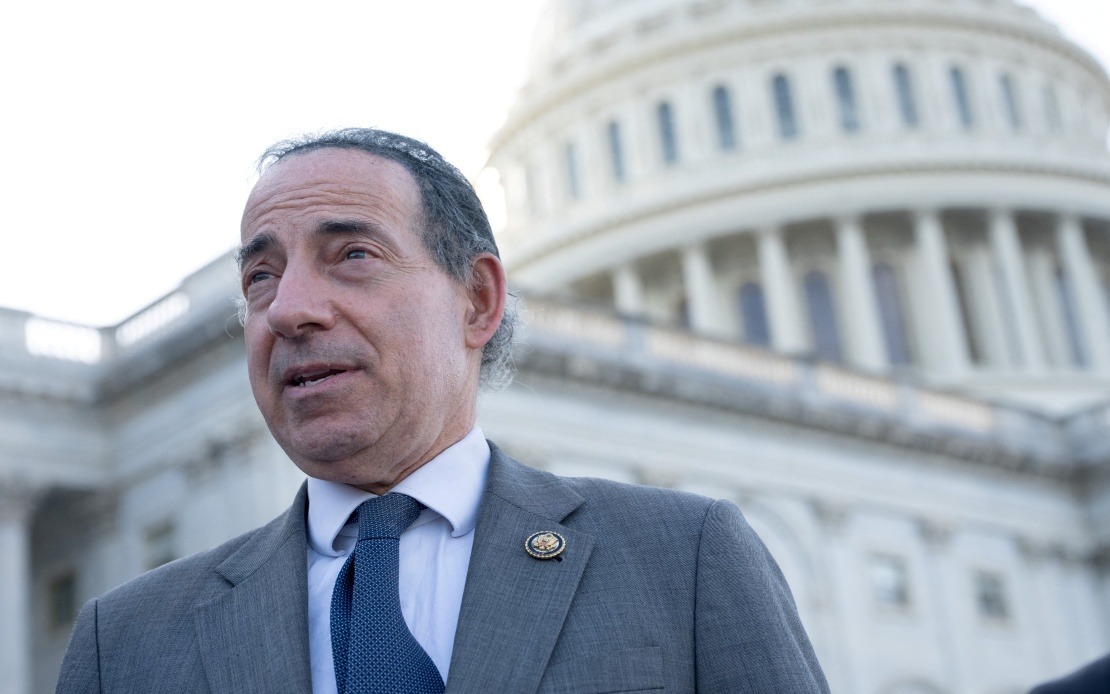
A prominent Democratic lawmaker launched a formal inquiry into FIFA on Monday, alleging the soccer governing body engaged in corrupt practices and orchestrated arrangements with the Trump administration to secure favourable treatment in pending legal matters. Rep. Jamie Raskin, the ranking member of the House Judiciary Committee, detailed his concerns in a letter addressed to FIFA President Gianni Infantino, announcing his committee would examine what he characterised as a sustained effort by the international sports organisation to extract concessions from Washington's political leadership.
Raskin's investigation centres on claims that FIFA leveraged its relationship with the Trump administration to achieve multiple objectives, most notably the dismissal or abandonment of significant corruption prosecutions that had previously targeted the organisation. The congressman contends this arrangement constitutes a quid pro quo arrangement, with FIFA allegedly providing benefits to Trump or his associates in exchange for governmental leniency on pending criminal matters. He further asserted that FIFA simultaneously exploited this political capital to pursue aggressive and allegedly illegal commercial practices, including manipulative pricing strategies for World Cup ticket sales.
The inquiry represents a significant escalation in scrutiny of FIFA's governance and its conduct during the Trump administration. Raskin highlighted that earlier Department of Justice investigations had uncovered an extensive international bribery operation connected to soccer media rights, with evidence showing more than US$200 million in bribes and kickbacks flowing through a network involving defendants from over 20 countries. Despite securing convictions in several prosecutions, the Trump administration subsequently abandoned numerous cases, according to Raskin's allegations, thereby allowing previously convicted individuals to remain free from incarceration.
Beyond the anti-corruption enforcement angle, Raskin's committee intends to scrutinise FIFA's operational practices under Infantino's leadership, with particular focus on whether the organisation deliberately weakened its internal ethics mechanisms while simultaneously cultivating stronger political connections with the Trump administration. This dual focus suggests the investigation views potential governance failures at FIFA as interconnected with broader questions about the organisation's willingness to prioritise commercial interests and political relationships over institutional integrity and ethical standards.
The World Cup ticketing controversy forms another substantial component of the planned investigation. Raskin alleged that FIFA implemented a series of controversial commercial practices affecting ticket purchasers, including sudden price increases applied retroactively, dynamic pricing models that varied costs based on demand, and policies permitting the downgrade of seating assignments after buyers had completed their purchases. These tactics, the congressman suggested, crossed the threshold from aggressive marketing into potentially illegal territory, particularly given the scale of the global audience and the international dimension of World Cup commerce.
Raskin has formally requested that FIFA provide comprehensive documentation and communications regarding any transfers of value to Trump or his business associates, including gifts, payments, and other financial or non-financial benefits. The committee also seeks access to records detailing FIFA's interactions with US government officials and internal documents relating to the organisation's ticketing strategies and pricing decisions. Additionally, Raskin requested visitor logs specifically from FIFA's office located within Trump Tower in New York, suggesting the committee views the physical proximity of FIFA's US operations to Trump's commercial base as potentially significant to its analysis.
Most notably, Raskin invited FIFA President Infantino to appear before the committee for a formal transcribed interview, providing a deadline of 5:00 pm on August 9, 2026, for scheduling the session. This invitation carries particular weight given Infantino's position as the chief executive of international soccer's governing body and the symbolic importance of having the organisation's top leader testify before the US legislature regarding allegations of institutional corruption and improper dealings with a sitting president.
For Malaysian and Southeast Asian readers, this investigation carries implications beyond the immediate US political context. The global football community, including professional leagues and governing bodies throughout the region, maintain relationships and commercial arrangements with FIFA that could be affected by any findings or sanctions emerging from this inquiry. Moreover, the alleged ticketing abuses identified in Raskin's letter affect international fans worldwide, including supporters from Malaysia and across ASEAN nations who purchase World Cup tickets.
The investigation also illuminates broader questions about FIFA's governance structure and its capacity for self-regulation. Despite various reform initiatives undertaken in recent years, the allegations suggest that institutional safeguards against corruption may remain inadequate when political leverage becomes available. This pattern reflects ongoing tensions within international sports organisations between commercial imperatives, political considerations, and ethical governance standards that resonate across the global sports ecosystem.
The timing and scope of Raskin's inquiry suggest deeper concerns within Congress about the Trump administration's approach to international corruption enforcement and the potential subordination of anti-crime priorities to political considerations. The fact that prosecutions were abandoned rather than continued or expanded indicates, from Raskin's perspective, a fundamental shift in how the Justice Department treated established corruption cases involving FIFA. Such decisions carry ramifications for global football governance, as they signal to other potentially corrupt actors within international sports administration that political connections might shield them from consequences.

