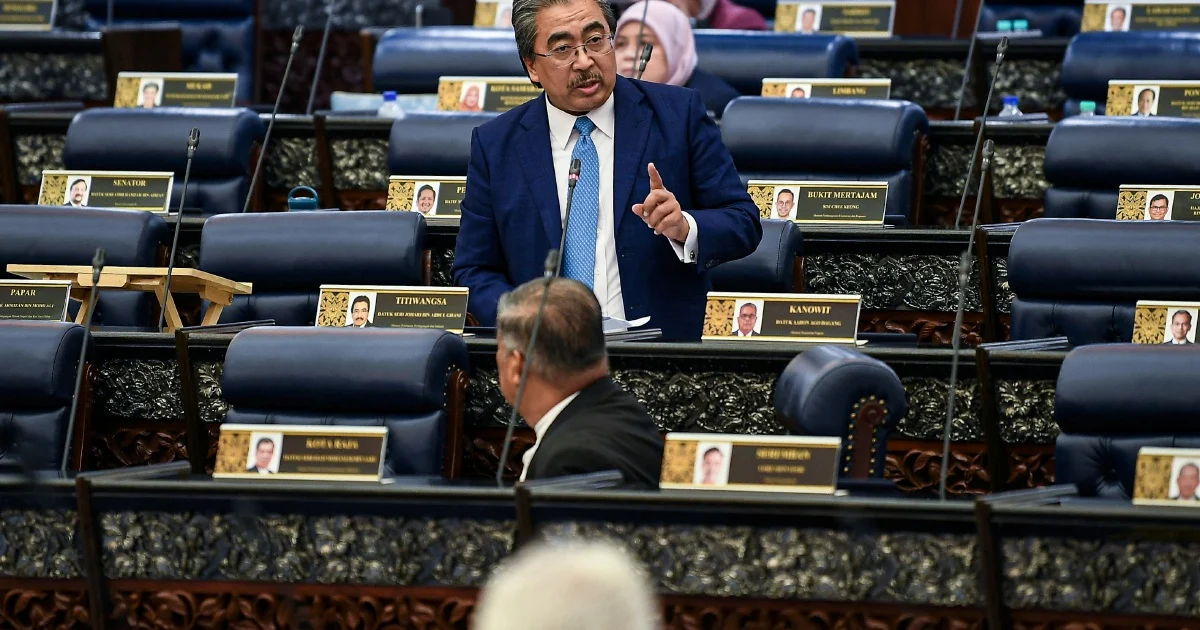
Malaysia faces mounting pressure from United States trade officials as a federal investigation examining labour standards in the country approaches its final stages. The probe, which has examined whether Malaysian employers engage in forced labour practices, appears headed toward conclusions that could trigger substantial trade penalties on Malaysian exports entering American markets. If the investigation's findings confirm the suspected violations, Washington is poised to implement an indicative 10 per cent tariff on affected Malaysian goods, a development that threatens to disrupt bilateral commerce and damage Malaysia's standing as a reliable trading partner in the international community.
The timeline for these potential trade sanctions has become increasingly concrete. Officials have indicated that July 24 represents a critical checkpoint after which tariffs could take effect if the investigation concludes that forced labour does indeed occur within Malaysian enterprises. This timeline creates a window during which Malaysian policymakers and business leaders must grapple with the reality that corrective action may arrive too late to forestall retaliatory measures. The specificity of the date suggests that the US authorities have substantially advanced their examination and may already be preparing implementation protocols for the tariff regime.
Forced labour investigations by Washington carry significant weight within global commerce, particularly for Southeast Asian nations that depend heavily on American market access. The United States Department of Labor has increasingly prioritised labour standards compliance as a cornerstone of its trade policy, reflecting broader American legislative mandates that prohibit the importation of goods produced through forced labour. Malaysia's vulnerability stems partly from the scale of its migrant workforce, concentrated especially within agriculture, manufacturing, and domestic service sectors where oversight remains comparatively limited and worker protections inconsistently enforced.
The potential 10 per cent tariff represents a material economic threat. Malaysian exporters already navigate complex supply chains and face competitive pressures from regional rivals such as Vietnam and Thailand. An additional tariff of this magnitude would effectively increase production costs for American importers and likely reduce demand for Malaysian products, potentially compelling manufacturers to diversify their sourcing strategies away from Malaysia. Industries such as electronics, palm oil production, rubber goods, and textiles—all significant export earners—would feel the strain most acutely.
Malaysia's government has long maintained that it takes labour standards seriously, pointing to regulatory frameworks and enforcement agencies tasked with combating exploitative practices. However, persistent reports from international labour organisations and civil society groups have documented instances where migrant workers face wage theft, document confiscation, restricted movement, and excessive working hours. The gap between regulatory intention and practical enforcement has become a central focus of the American investigation, suggesting that structural deficiencies in Malaysia's labour oversight machinery remain problematic despite official commitments.
The implications extend beyond direct tariff exposure. Trade sanctions of this nature typically trigger diplomatic complications and can influence broader perceptions of a country's governance standards. Multinational corporations considering investment or expansion may reassess their commitment to Malaysia if forced labour concerns become formally documented through official American findings. Additionally, the reputational damage could affect Malaysia's standing within international bodies and complicate negotiations on other trade matters unrelated to labour practices.
Regional peers face comparable scrutiny, though the timing of Malaysia's investigation reflects particular concerns. Vietnam and Cambodia have also encountered American labour investigations, creating a competitive disadvantage across Southeast Asia as Western importers increasingly conduct supply chain audits and demand evidence of ethical practices. This dynamic paradoxically pressures governments to demonstrate rapid compliance, yet genuine labour standards improvement requires sustained institutional development, worker education programmes, and enforcement resources that cannot be hastily assembled.
Malaysia's agricultural and manufacturing sectors employ hundreds of thousands of migrant workers, many from Bangladesh, Myanmar, and Indonesia, who form the demographic core of those potentially affected by labour exploitation. These workers frequently operate with minimal legal protection and limited access to grievance mechanisms, circumstances that create structural vulnerability to forced labour conditions. Addressing these systemic weaknesses demands legislative reform, independent monitoring mechanisms, and genuine accountability for employers who violate standards—measures requiring both governmental resolve and financial investment.
The upcoming conclusion of the American investigation presents Malaysia with a critical opportunity to demonstrate meaningful commitment to reform. Proactive engagement with labour standards, transparent cooperation with American officials, and visible improvements in worker protections could potentially influence the severity of any sanctions imposed. The government has indicated willingness to strengthen enforcement, but the question remains whether these measures will materialise with sufficient scope and speed to satisfy American investigators before the July 24 deadline arrives.
Businesses and policymakers in Kuala Lumpur recognise that the tariff threat, while serious, may ultimately prove avoidable through decisive action. However, the timing constraints and the investigation's apparent advancement suggest that Malaysia's window for preventative measures grows narrower by the week. The coming weeks will determine not only Malaysia's immediate trade exposure but also its long-term credibility as a responsible employer of global labour standards and a trustworthy partner within international commerce networks.

