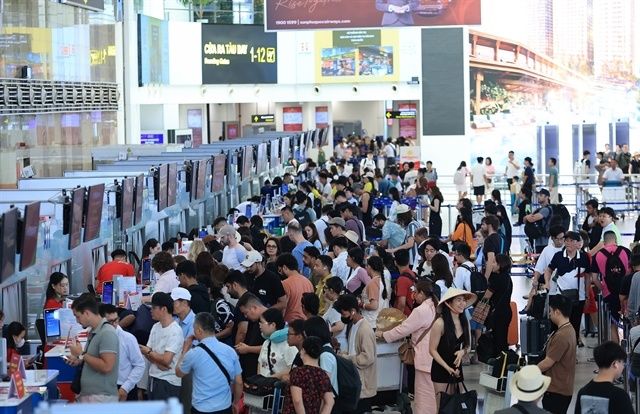
Vietnam is implementing sweeping new protections for airline passengers through Government Decree No. 208, which takes effect next month and establishes comprehensive compensation requirements for carriers dealing with flight disruptions. The regulation, issued this week, represents a significant expansion of passenger rights in the country's aviation sector and brings Vietnamese standards closer to international norms observed in developed markets and other Southeast Asian jurisdictions.
Under the new framework, airlines must treat any flight departure occurring more than 15 minutes past its scheduled time as a delay, triggering various obligations depending on the severity of the disruption. Carriers now distinguish between standard delays and what they define as "long delays"—those lasting four hours or more from the originally scheduled departure. This classification system is crucial because it determines the level of support and compensation passengers receive, establishing clear thresholds rather than leaving decisions to individual airline policies.
When airlines foresee that a flight will be delayed, they must communicate this information to passengers without delay, accompanied by an explanation for the disruption. The carrier bears responsibility for ensuring that revised departure times reach the airport operator and terminal service providers, with these updated details displayed on flight information screens at minimum intervals of 30 minutes. This requirement ensures that passengers have access to timely, accurate information throughout the terminal, reducing confusion and enabling them to make informed decisions about their travel.
For delays extending beyond two hours, Vietnamese carriers must provide passengers with complimentary drinking water or issue vouchers of equivalent monetary value. Should a delay extend into overnight hours, the compensation escalates significantly. Airlines must arrange suitable rest facilities for delays occurring between 7am and 10pm, while delays between 10pm and 7am require carriers to provide sleeping or resting accommodation appropriate to local conditions, or offer alternative solutions with passenger consent. These provisions recognise that extended disruptions create genuine hardship, particularly during unsociable hours when passenger comfort becomes a pressing concern.
A critical provision allows passengers affected by carrier-caused delays to request rebooking on alternative flights or rerouting to their final destinations without penalty. Airlines must waive any restrictions on itinerary changes, rebookings, or surcharges when the delay results from the carrier's fault. This provision fundamentally shifts the financial burden from passengers to airlines, creating incentives for carriers to maintain reliable operations and minimise disruptions caused by their own negligence or operational failures.
The decree also addresses flight cancellations with particular rigour, defining them as scheduled services not operated despite confirmed passenger bookings. When cancellations occur, carriers must immediately notify affected passengers, apologise, and provide reasons for the decision. If the cancellation stems from carrier responsibility—rather than extraordinary circumstances beyond the airline's control—the airline must either rebook passengers on suitable alternative flights to reach their destinations, refund the full ticket price, or refund the unused portion. Carriers cannot impose surcharges or restrictions on itinerary modifications in these scenarios, providing genuine options rather than forcing passengers to accept inferior alternatives at additional cost.
Schedule changes receive similar protection under the regulation, with "schedule change" defined as any alteration to a flight's planned departure time. When carriers advance or delay flights by five hours or more, they must inform passengers and offer refund options or rebooking on alternative itineraries within 72 hours at passenger request. However, schedule adjustments of no more than four hours earlier or 15 minutes later remain subject to each carrier's own policies, providing carriers limited flexibility for minor schedule adjustments while protecting passengers from substantial disruptions presented as routine changes.
The decree delegates significant implementation responsibility to the Minister of Construction, who will establish the specific amounts for non-refundable advance compensation, payment methods and deadlines, and reporting obligations for carriers experiencing disruptions. This administrative approach allows regulatory frameworks to evolve as market conditions change, rather than embedding inflexible compensation levels in legislation that may become obsolete. The requirement for carriers to publish information and report disruption data creates transparency that will enable regulators and passengers to identify patterns of poor service across the industry.
For Malaysian and Southeast Asian observers, Vietnam's regulatory approach demonstrates regional movement toward passenger protection standards comparable with mature aviation markets. The implementation reflects growing consumer expectations across the region and recognition that passenger compensation frameworks encourage airline accountability and service quality. Malaysian carriers and regulators may reference this approach as regional standards continue evolving, particularly as Southeast Asian aviation experiences rapid growth and increased passenger complaints about service reliability.
The decree's practical impact will depend significantly on implementation and enforcement mechanisms. Airlines may initially interpret ambiguous provisions narrowly, requiring regulatory oversight and passenger complaints to establish consistent practices. The January implementation timeline suggests that Vietnamese carriers have already been notified and are preparing compliance systems, though transitional challenges are inevitable when introducing such comprehensive new obligations across the industry.
These protections arrive at a meaningful moment for Vietnamese aviation, as the sector recovers from pandemic disruptions and expands capacity to meet growing domestic and regional demand. Clearer compensation frameworks may initially increase carrier costs but should enhance consumer confidence in air travel and reduce disputes over passenger rights. The regulation also positions Vietnam competitively among Southeast Asian destinations, as international travellers increasingly value strong passenger protections when selecting where to book flights.

