A Cessna O-1 "Bird Dog" aircraft conducting wildfire suppression operations in Canada's Northwest Territories crashed near Fort Simpson on Thursday, claiming the lives of all three people aboard, according to N.W.T Fire, the territorial authority responsible for wildfire management and reporting. The confirmation of the crash came after initial reports of a serious incident, with officials working to piece together details of what led to the aircraft's loss during active firefighting operations in the region.
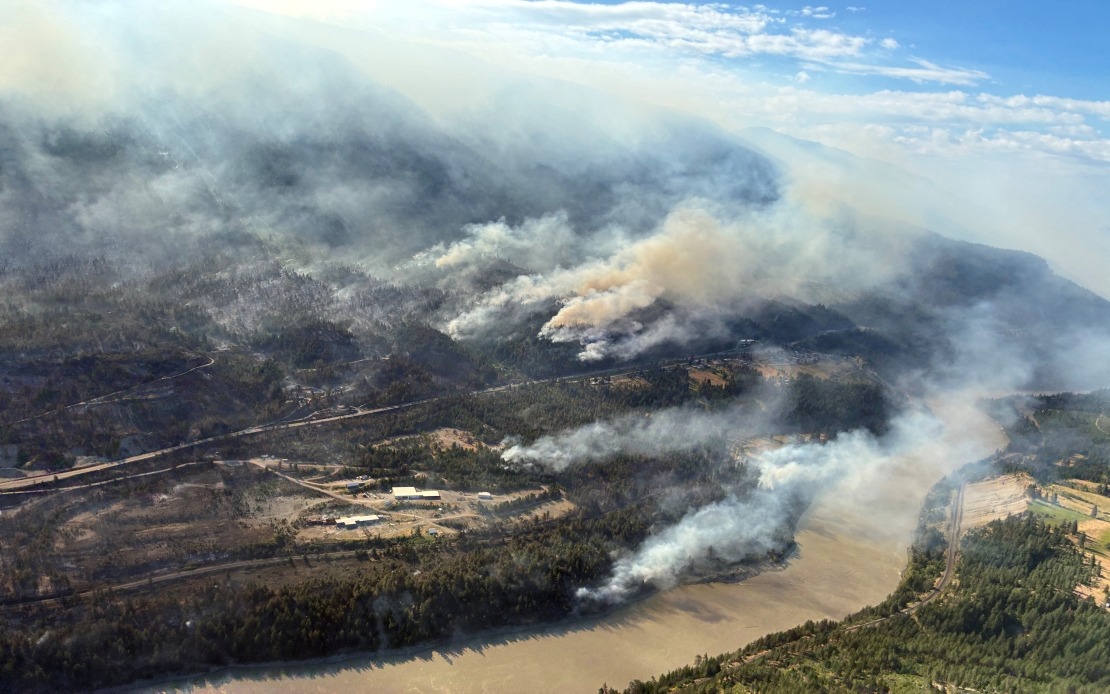
The doomed aircraft was engaged in suppressing fire FS009-26 at the time of the accident. The fire itself, which ignited naturally on June 23, encompasses approximately 100 hectares in the Marten Hills area within the Dehcho region of the Northwest Territories. The blaze remains uncontrolled as of the latest assessment, presenting an ongoing threat to the surrounding landscape and communities in this remote part of northern Canada.
Investigative authorities moved swiftly to secure the crash site and initiate a formal inquiry. The Royal Canadian Mounted Police coordinated with the N.W.T. Environment and Climate Change Ministry to access the location and begin determining the circumstances surrounding the aircraft's descent. Such multi-agency responses are standard protocol when accidents occur during emergency response operations, as they help establish factual timelines and potential contributing factors.
The tragedy underscores the inherent risks faced by personnel involved in wildfire suppression activities, particularly in remote and challenging terrain. Aircraft like the Cessna O-1, a reliable observer-class platform that has served in reconnaissance and fire management roles for decades, require skilled operators navigating difficult weather conditions, smoke-obscured visibility, and terrain hazards while focusing on their critical mission.
Wildfire conditions across the Northwest Territories remain dire. As of June 25, a total of 28 active wildfires were burning across the region, collectively affecting close to 91,400 acres. The distribution of these fires presents a complex challenge for resource allocation: nineteen blazes are classified as out of control, four are being held at their current perimeters, five are under control, and eight have been extinguished. This fragmented status indicates that firefighting resources remain stretched thin despite ongoing suppression efforts.
The scale of wildfire activity in the Northwest Territories reflects broader patterns of intensifying fire seasons across Canada and the Arctic regions. Climate change has extended the duration of fire seasons and increased the prevalence of conditions conducive to rapid fire spread. For Southeast Asian observers, the situation serves as a cautionary example of how warming temperatures and altered precipitation patterns can challenge emergency response infrastructure, even in developed nations with substantial resources.
The loss of the aircraft and its crew represents not only a human tragedy but also a reduction in the aerial firefighting capacity precisely when it is needed most. Observer aircraft and suppression planes are essential components of wildfire management strategies in remote regions where ground access is limited and fires can spread rapidly across vast territories. The replacement of such assets requires time and funding that regions already struggling with resource constraints may struggle to provide.
For Malaysia and other Southeast Asian nations, the incident carries relevance beyond its immediate geographical context. Many countries in the region face their own seasonal wildfire challenges, particularly during dry seasons when peat fires and forest fires threaten air quality across borders and strain regional cooperation frameworks. Understanding how established fire management systems operate—and their vulnerabilities—informs regional preparedness planning and underscores the importance of investing in personnel training and equipment maintenance.
The investigation into the crash will likely examine multiple factors including weather conditions at the time, mechanical performance of the aircraft, pilot decisions, and coordination procedures between fire management authorities and aviation operators. Such inquiries, while often conducted away from public scrutiny, generate crucial safety information that informs future operations and helps prevent similar incidents.
The N.W.T. Environment and Climate Change Ministry continues to monitor the active fires throughout the region. The remote nature of many fires means that suppression operations will likely persist for weeks or months, depending on weather patterns and resource availability. The loss of one aerial asset while others continue operating creates additional pressure on remaining personnel and equipment to manage an already overwhelming situation.
Wildfire management in northern Canada reflects a seasonal rhythm that tests emergency response systems annually. The incidents that occur during these periods—accidents like the Cessna O-1 crash—serve as sobering reminders that even routine suppression flights carry significant risk. The three individuals aboard the aircraft made the ultimate sacrifice while working to protect lives and property in one of Canada's most remote regions.

