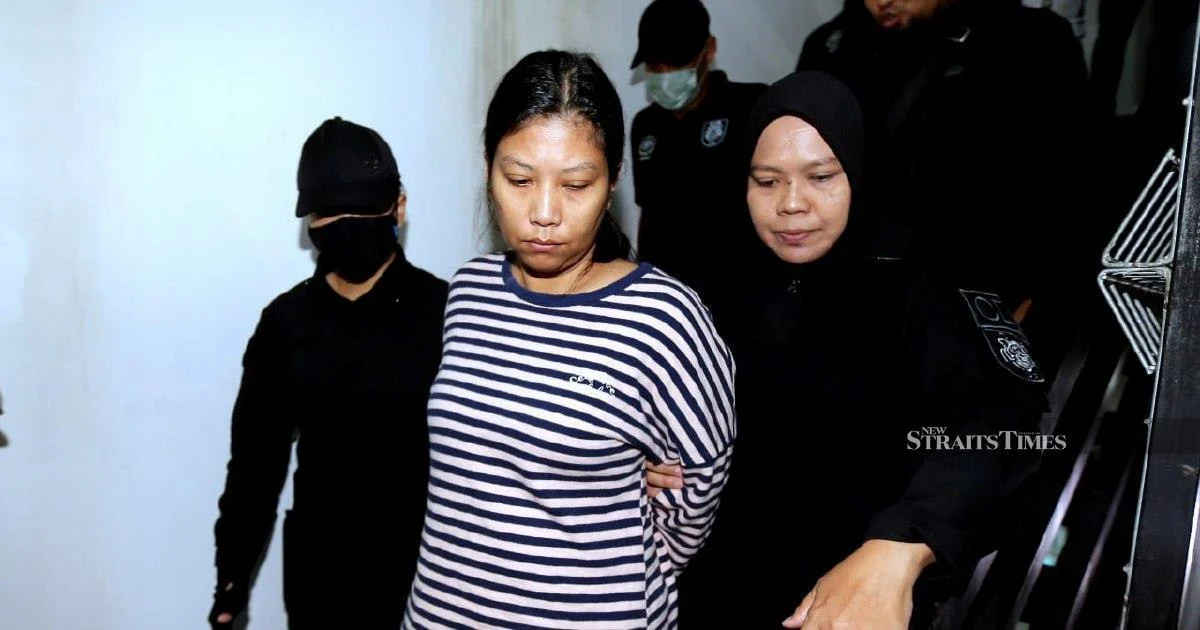
An Ipoh Magistrate's Court has scheduled July 1 for case management proceedings involving a woman facing charges related to an incident targeting the Sultan of Perak, Sultan Nazrin Shah, during last year's state-level National Day observance. The case represents a rare legal matter involving the Perak royal household and raises questions about security protocols at high-profile state functions in the northern region.
The allegation centres on the woman's alleged use of criminal force against Sultan Nazrin Shah during the commemoration event. While specific details of the alleged incident remain limited in public disclosures, cases of this nature typically involve serious charges that warrant magistrate-level proceedings and preliminary court management before potential escalation.
The Ipoh court's decision to fix the date for case management indicates the judicial process is progressing through established protocols. Case management hearings typically allow both the prosecution and defence to clarify the charges, exchange evidence, and determine the appropriate forum for trial. This preliminary stage is crucial for ensuring all parties understand the nature and scope of the allegations before proceeding further.
Security at state functions involving members of Malaysia's royal families has become an increasingly scrutinised area, particularly following various high-profile incidents across the region in recent years. The alleged incident during Perak's National Day celebration underscores the challenges authorities face in balancing public accessibility with adequate protective measures for dignitaries. Perak, as a major state in Malaysia's northern corridor, regularly hosts significant state ceremonies attended by thousands of participants.
The National Day celebration represents one of Malaysia's most important civic occasions, drawing diverse crowds and requiring extensive logistical coordination. Events of this scale, particularly those involving royalty, demand comprehensive security planning and crowd management. Any breach in security protocols, as implied by the allegations, would be taken seriously by both law enforcement and relevant state authorities.
For the woman involved, the July 1 date marks a significant juncture in her legal proceedings. Entering a plea during case management represents a critical moment where she would formally respond to the charges through her legal representatives. The decision to plead guilty or maintain innocence will substantially influence the trajectory of the case, determining whether it proceeds to trial or potentially results in sentencing if a guilty plea is accepted.
Such cases involving criminal force against members of the royal family carry substantial legal weight within Malaysia's judicial framework. The respect and protection afforded to the Sultan under Malaysian law is enshrined in constitutional provisions, making these charges particularly serious. The court's handling of the case will reflect the seriousness with which Malaysian law treats incidents involving the monarchy.
Pearak's royal institution has long maintained a relatively accessible engagement with state residents compared to some other sultanates, making security breaches particularly noteworthy. Sultan Nazrin Shah, who ascended to the throne in 2019, has been relatively active in attending public functions and maintaining the traditional visibility expected of the Perak sultanate. The incident, whenever it occurred during the previous year's celebrations, disrupted this pattern of engagement.
The legal proceedings will likely draw attention from observers interested in how Malaysian courts handle sensitive cases involving the monarchy and public security. The Ipoh Magistrate's Court, as the venue for these proceedings, will be responsible for ensuring the case progresses fairly while maintaining appropriate respect for both the institution represented and the defendant's legal rights. The July 1 date provides all parties with time to prepare their positions comprehensively.
Beyond the immediate legal dimensions, the case reflects broader considerations about public safety at state ceremonies and the ongoing evolution of security practices across Malaysian institutions. Authorities across various states will likely review their own protocols in light of such incidents, particularly regarding access control and protective measures during high-profile royal engagements. The outcome of these legal proceedings may influence how subsequent state functions are organised and secured.
For residents of Perak and observers throughout Malaysia, the case serves as a reminder of both the privileges and responsibilities attached to participation in state ceremonies. As the July 1 hearing approaches, the woman's legal team will presumably be preparing her defence strategy, while prosecutors build their case based on the evidence gathered during investigation. The coming weeks will determine whether additional details emerge regarding the specific circumstances of the alleged incident.

