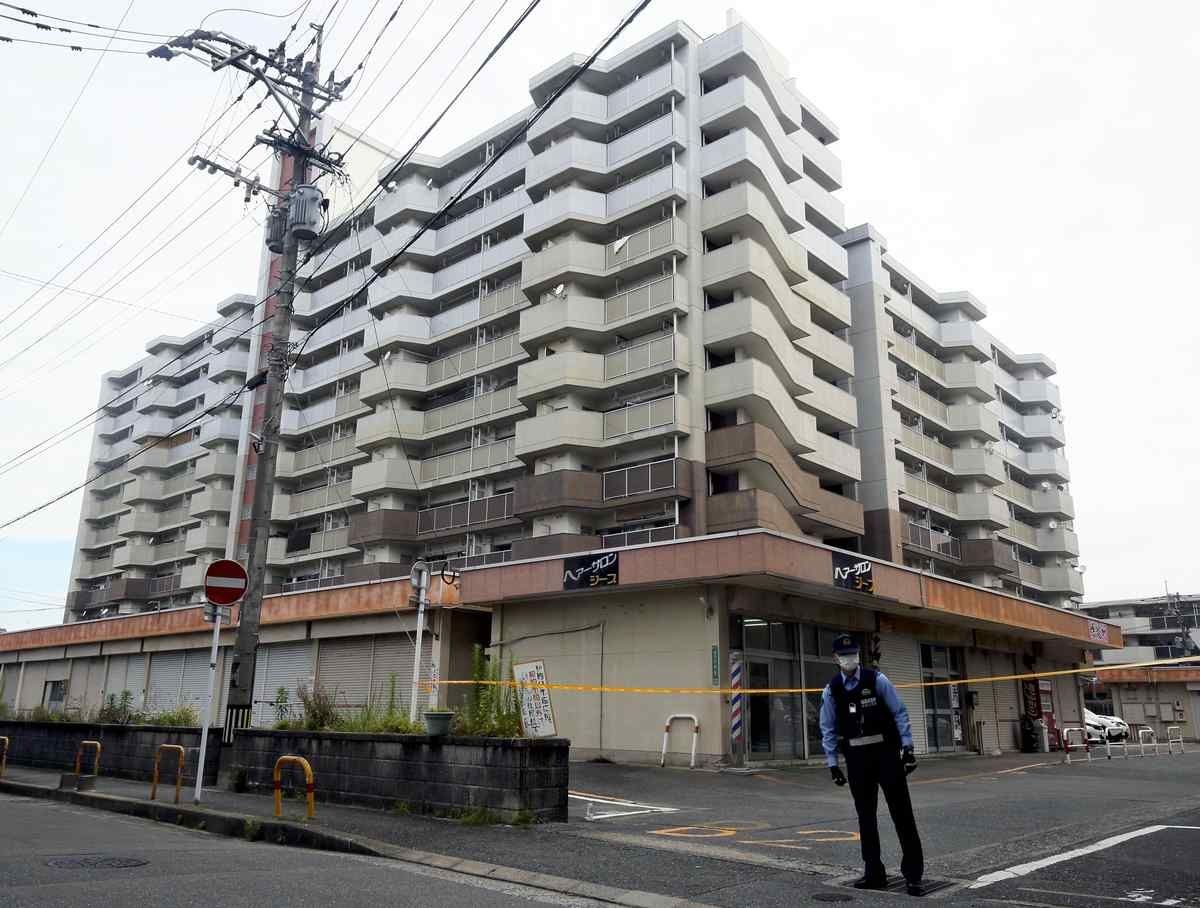
A 36-year-old woman has been taken into custody by Fukuoka police following the death of a 33-year-old acquaintance in what authorities are treating as a murder case. The incident occurred in Fukuoka City in the early hours of Thursday, June 18, when the suspect allegedly launched a violent knife attack against her friend. Officers from the Higashi Station of the Fukuoka Prefectural Police responded to the scene and initiated an investigation that would ultimately lead to significant charges being filed against the perpetrator.
The victim sustained multiple stab wounds to the neck and chest after being attacked with what police describe as a knife-like object. The assault occurred at approximately 3.15am, a time when most residents would be asleep. Emergency responders transported the injured woman to a nearby medical facility, but despite receiving treatment, she was pronounced dead upon arrival. The fatal outcome transformed what might have been classified as a non-lethal assault into a homicide case, prompting police to escalate their investigation accordingly.
What distinguishes this case as particularly disturbing is the presence of three elementary school-aged children who remained asleep in another room throughout the violent encounter. The proximity of these young witnesses—though they did not directly observe the incident—underscores the domestic context of the tragedy and raises questions about the living arrangements and relationships that preceded the attack. The psychological impact on these children, who lost a mother figure in their own home, represents an additional human cost to this crime.
The suspect has not contested her involvement in the incident. When questioned by investigators, she provided a straightforward admission of guilt, stating "It's true I did it. I stabbed her many times." This confession facilitated the investigative process and has likely streamlined the path toward formal charges. The candour of her statement to police suggests either a lack of remorse or possibly a state of emotional distress that prevented her from offering resistance to questioning.
Initially, authorities charged the woman with attempted murder as they awaited confirmation of the victim's condition. However, following the woman's death at the hospital, the Higashi Station criminal investigation division formally reclassified the case as a murder inquiry. This procedural shift carries significant legal consequences for the accused, as murder charges in Japan carry substantially heavier penalties than attempted murder convictions. The reclassification also reflects the gravity with which Japanese law enforcement treats cases resulting in loss of life.
The underlying circumstances that precipitated the stabbing remain subjects of ongoing investigation. Police have not yet disclosed any motive for the attack or details regarding any prior conflict between the two women. The fact that they maintained a living arrangement together suggests either a close friendship or familial-style relationship, making the sudden eruption of lethal violence all the more remarkable. Understanding what transformed their cohabitation into a tragedy represents a crucial investigative priority for authorities seeking to build a comprehensive case.
This incident reflects a broader pattern of domestic violence and intimate homicides that Japan, like many developed nations, continues to grapple with. The attack occurring within a private residence, in the depths of night, and involving individuals with an existing relationship places it within the category of crimes that are often difficult for outsiders to predict or prevent. The presence of dependent children in the household adds complexity to both the investigation and the eventual legal proceedings.
Japanese criminal law distinguishes between various degrees of homicide, and the specific charges ultimately filed against this woman will depend on the prosecutor's assessment of her mental state, premeditation, and circumstances at the time of the crime. The fact that she has admitted to the act may accelerate court proceedings, though her legal representation may yet argue for considerations of diminished responsibility or other mitigating factors during sentencing deliberations.
For residents of Fukuoka and the broader Kyushu region, this case represents a stark reminder of how violence can emerge unexpectedly within residential communities. While serious crime remains comparatively rare in Japan relative to many other countries, incidents involving knives and interpersonal disputes continue to generate public concern and discussion about domestic safety. The case also raises questions about support systems and intervention mechanisms for individuals in crisis situations before violent outcomes occur.
The investigation by the Higashi Station police is expected to proceed methodically through evidence collection, witness interviews, and forensic analysis. The woman remains in custody pending formal charges and court appearance. The three children affected by this tragedy will require significant psychological support and social services as they process the loss of their mother in such traumatic circumstances.

