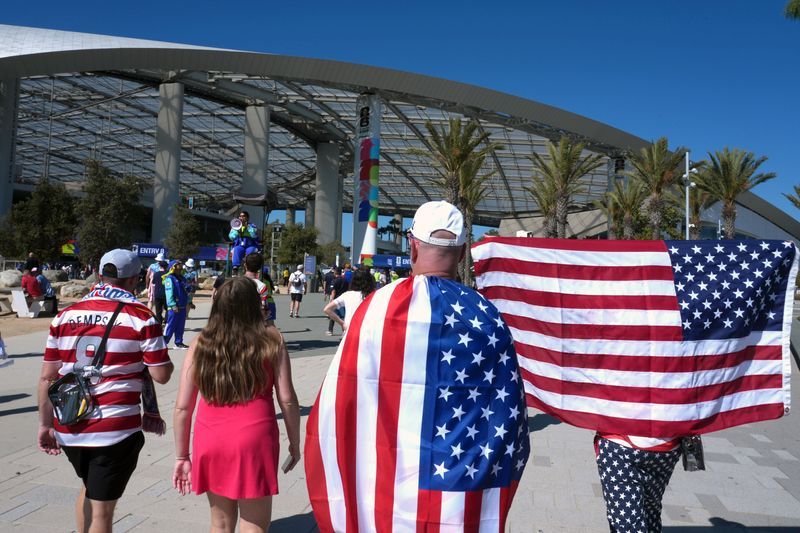
The festive season gift of a lifetime turned into a nightmare for many families across North America when the resale platform StubHub abruptly cancelled World Cup match tickets mere hours before kickoff. Jeremy Wright's carefully planned Christmas surprise for his wife—two tickets to watch the Netherlands face Japan on June 14—ended in disappointment when an email arrived just five hours before the match, informing him that his tickets could not be delivered. Although StubHub offered replacement tickets through its FanProtect Guarantee, when Wright attempted to claim them, the platform provided only a refund option. After spending hours attempting to reach customer support, the Wrights abandoned their plans and made the drive back to Austin in heavy rain, joining dozens of other frustrated fans who took their grievances to social media throughout the tournament month.
The cancellation crisis reveals a systemic problem with secondary ticketing markets during major sporting events, particularly when platforms lack direct control over inventory. StubHub operates exclusively as a resale platform, meaning it neither possesses the actual tickets nor sets their prices. Instead, it depends entirely on sellers to deliver tickets after purchase, making order cancellations the result of seller delivery failures rather than StubHub's operational failures. A company spokesperson acknowledged these limitations, but simultaneously claimed that FIFA's ticketing infrastructure was hampering ticket transfers across all resale platforms. This explanation, however, became the subject of heated dispute, as FIFA flatly rejected suggestions that its systems were responsible for third-party platform failures, insisting instead that its own ticketing infrastructure operated reliably at scale.
FIFA's official ticketing resale platform carries a substantial 30 percent commission on all secondary sales, pricing that the governing body claims aligns with North American industry standards. This expensive commission structure has pushed many fans toward alternative platforms like StubHub, where prices are often lower. Yet some fans discovered FIFA's official platform genuinely difficult to navigate and use. Dacy Gillespie, a writer and personal stylist, purchased four tickets to Argentina's June 16 match against Algeria as a Christmas surprise for her two sons on StubHub precisely because she found FIFA's platform unnecessarily convoluted. Despite driving approximately 250 miles from St. Louis to Kansas City for the occasion, she received a StubHub email on matchday informing her that the seller could not deliver the tickets. The incident exemplifies how FIFA's high-fee structure inadvertently channels fans toward riskier secondary platforms.
Ticketing expert Scott Friedman, who previously worked with the Cleveland Cavaliers and now operates the Ticket Talk Network, identifies the root cause as a problematic practice known as speculative ticketing. Sellers often list tickets months in advance at inflated prices, betting they can purchase the same tickets later at lower cost and pocket the difference—essentially shorting the ticket market. However, World Cup ticket prices defied typical patterns for major sporting events by rising continuously as the tournament approached rather than declining. This unprecedented upward price trajectory meant speculators found themselves unable to fulfill orders profitably, leaving them unable or unwilling to deliver tickets without incurring substantial losses.
StubHub's official policies explicitly prohibit speculative ticketing, yet so-called ghost tickets remain prevalent because the platform does not mandate that sellers provide specific seat numbers when initially listing inventory. Jeremy Wright's tickets, purchased on September 6 just four days before FIFA launched its first official sales draw, almost certainly originated from a speculator rather than an official channel. His order documentation, reviewed by Reuters, specified only the broad seating category without any seat number details, a red flag indicating the seller likely never possessed the physical tickets. StubHub maintains that it requires sellers to upload tickets or provide proof of purchase at listing time, with penalties and account suspension for those misrepresenting inventory. Nevertheless, the lack of seat-level visibility in listings creates opportunities for speculators to slip through enforcement mechanisms.
Public pressure and social media backlash proved essential in securing remedies for some affected families. The Wrights and Gillespie gained resolution only after their complaints went viral online, prompting StubHub to respond with compensation. StubHub offered the Wrights complimentary seats to a semi-final match, while Gillespie received $3,000 to offset her costs in purchasing replacement tickets elsewhere. Sarah Wright pointedly observed the troubling inequity inherent in this response mechanism: "We had to raise holy hell to get the attention. There's almost a survivor's guilt kind of feeling for us—we got tickets, but what about all the other people?" Her comment highlights how only high-profile cases receive attention and resolution, while countless other affected fans receive merely refunds with no compensation for travel costs, accommodation, and disrupted plans.
In response to the widespread cancellations, StubHub established a dedicated World Cup support team and expanded its capacity to source replacement inventory for customers experiencing delivery failures. A company spokesperson reiterated that "getting fans to their matches remains our top priority for the rest of this tournament." Yet these reactive measures, implemented only after public pressure mounted, suggest the platform was unprepared for the scale and severity of cancellations. The infrastructure improvements should have preceded the tournament rather than appearing as damage control after fans had already endured significant disappointment and financial loss.
The reputational damage to StubHub extends beyond the World Cup itself, with broader implications for secondary ticketing markets. Marsha-Gaye Knight, a clinical assistant professor at the NYU Tisch Institute for Global Sport, has warned that the ticketing crisis could inflict major long-term brand harm on the platform. For Malaysian and Southeast Asian sports fans who might use StubHub for future international events, the World Cup debacle demonstrates the risks of relying on secondary platforms that lack guaranteed inventory controls. The platform's credibility as a reliable ticket broker has been significantly undermined by its inability or unwillingness to prevent speculative sellers from listing tickets they did not possess.
Recent regulatory actions further underscore the fragility of StubHub's market position. The United Kingdom's Financial Conduct Authority this week ordered StubHub UK to refund more than 50,000 customers and pay a £900,000 ($1.19 million) fine for failing to display total ticket prices upfront to consumers. This enforcement action indicates that regulatory scrutiny of secondary ticketing practices is intensifying globally, and StubHub faces mounting pressure to reform its operational standards and transparency requirements. For consumers in Malaysia and across Asia-Pacific, such regulatory developments suggest that secondary ticketing platforms may face stricter requirements in the future, potentially affecting pricing, transparency, and consumer protections on resale markets.
The World Cup ticketing fiasco ultimately exposes fundamental conflicts between FIFA's high-commission official resale system and the secondary market's appetite for cheaper alternatives. Fans caught between expensive official channels and unreliable secondary platforms find themselves in an untenable position. FIFA's insistence that its infrastructure operated flawlessly, combined with its refusal to acknowledge how steep commission rates push fans toward riskier options, suggests the governing body bears some responsibility for the crisis. Meanwhile, StubHub's structural limitations as a resale-only platform lacking direct inventory control make it inherently vulnerable to speculative sellers. Neither party has yet demonstrated genuine commitment to consumer protection, instead pointing fingers while fans absorb the financial and emotional costs of last-minute cancellations.

