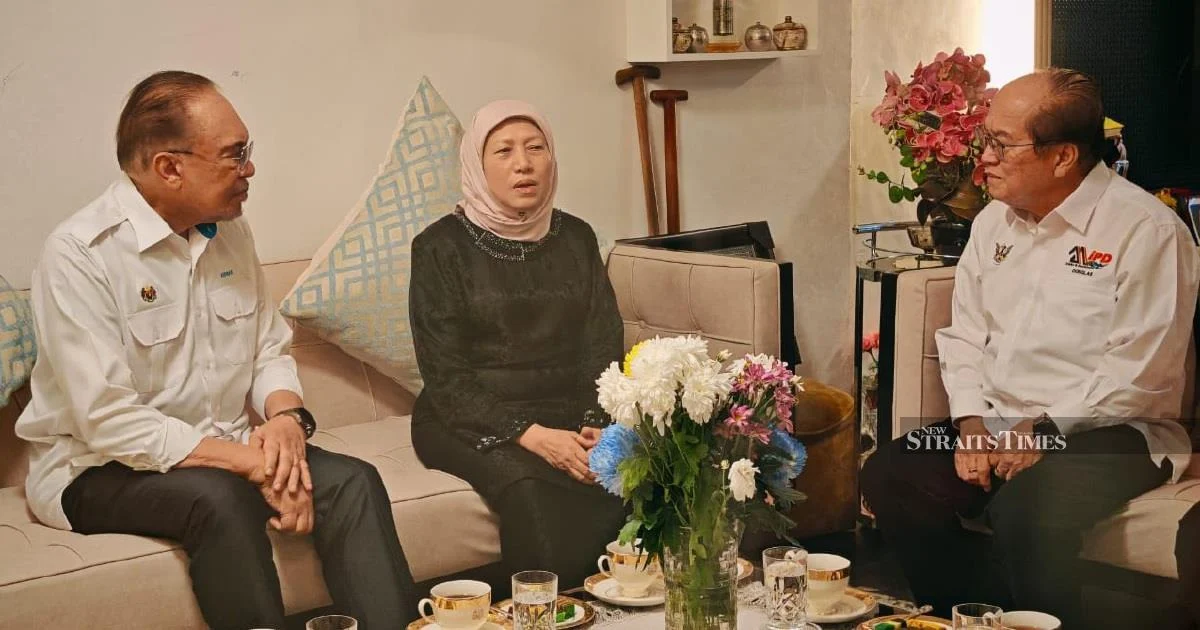
Prime Minister Datuk Seri Anwar Ibrahim travelled to Kuching to personally convey his sympathies to Women, Family and Community Development Minister Datuk Seri Nancy Shukri following the recent death of her husband, Datuk Kamil Misuari. The gesture underscored the close working relationships maintained within Malaysia's cabinet leadership and the significance placed on personal solidarity during times of family loss among senior government officials.
The condolence visit represents an important protocol in Malaysian political culture, where senior leaders customarily visit bereaved colleagues to express their respects and support. Such visits carry symbolic weight beyond mere formality, demonstrating the human dimensions of governance and the bonds that transcend ministerial portfolios and political calculations. For Nancy Shukri, who represents Sarawak in the federal administration, the Prime Minister's direct engagement signals recognition of her standing within the government hierarchy and the administration's commitment to supporting its members during personal difficulties.
Nancy Shukri has held her Women, Family and Community Development portfolio with responsibility for wide-ranging social initiatives affecting Malaysian households and vulnerable populations. The ministry's work spans domestic partnerships, childcare services, social welfare programs, and community development projects across the nation. Her capacity to discharge these duties effectively depends partly on the institutional support and personal wellbeing that colleagues can provide during challenging periods.
The passing of Datuk Kamil Misuari represents a significant personal loss for the minister and her family. Such bereavements often require leaders to balance their continued ministerial responsibilities with private grieving processes. The Prime Minister's visit acknowledges this dual burden and provides an opening for Shukri to receive support from her highest-ranking colleague in the administration.
Anwar's decision to undertake the journey to Kuching demonstrates prioritisation of personal diplomacy and inter-ministerial relationships. While Malaysia's cabinet operates with established protocols and hierarchies, the informal gestures that bind senior leaders together contribute significantly to institutional cohesion and the effective functioning of government. These moments of mutual support, particularly when shared across different constituencies and political backgrounds, help reinforce the collaborative spirit necessary for effective policymaking.
In the Malaysian political context, where coalition governments require delicate balance among different parties and regional interests, such displays of solidarity hold particular importance. Sarawak, as one of Malaysia's two states on the island of Borneo, maintains distinctive political dynamics and priorities. Nancy Shukri's presence in the federal cabinet represents Sarawakian interests at the national level, making her relationships with federal leadership critical for ensuring that state concerns receive appropriate attention in national policymaking.
The condolence visit also reflects broader Malaysian traditions of respect and compassion that characterise the nation's multicultural society. These customs, rooted in both Malay-Muslim heritage and diverse cultural influences across Malaysia's communities, emphasise the importance of acknowledging human loss and providing communal support. For government officials, such demonstrations of compassion help maintain public trust and confidence in their humanity and connection to the citizens they serve.
Nancy Shukri's ministry addresses issues central to Malaysian family life and social stability, including child welfare, protection of vulnerable adults, and support for single parents and low-income households. During periods of personal difficulty, the minister's ability to maintain engagement with these critical portfolios may be tested. The support extended by the Prime Minister and other colleagues thus has practical implications beyond its symbolic significance.
Anwar Ibrahim's administration has emphasised renewal and reform within Malaysian governance, with particular attention to inclusive policymaking and ministerial accountability. Within this framework, the care extended to colleagues during personal crises represents an important expression of values that the government seeks to embody. Such actions communicate implicitly to public servants at all levels that personal dignity and familial obligations remain central to institutional culture.
The visit demonstrates that despite the intense pressures and competing priorities that consume senior Malaysian political figures, the administration maintains space for human connection and personal recognition. This balance between rigorous governance demands and genuine human concern helps sustain the morale and commitment of cabinet members responsible for implementing complex policy agendas affecting millions of Malaysians.
For observers of Malaysian political developments, such moments reveal important aspects of how the government operates beyond formal announcements and policy documents. The relationships forged through shared responsibility and mutual support during difficult periods create bonds that influence subsequent collaboration on national priorities. In this sense, Anwar's journey to Kuching served purposes that extended well beyond the immediate expression of sympathy, touching on deeper questions about institutional culture and leadership.
The incident also highlights the continuing significance of personal networks and direct engagement in Malaysian governance, even within an administration that has sought to modernise institutional practices and increase transparency. Senior officials recognise that substantive relationships—maintained through both formal channels and personal attention—remain essential to effective government functioning and the broader health of political institutions.
%22%2F%3E%3C%2Fpattern%3E%3C%2Fdefs%3E%3Crect%20width%3D%22100%25%22%20height%3D%22100%25%22%20fill%3D%22url(%23ph29hsg)%22%2F%3E%3Crect%20width%3D%22100%25%22%20height%3D%22100%25%22%20fill%3D%22url(%23ph29hsp)%22%2F%3E%3Ctext%20x%3D%2250%25%22%20y%3D%2250%25%22%20text-anchor%3D%22middle%22%20dominant-baseline%3D%22central%22%20fill%3D%22rgba(255%2C255%2C255%2C0.95)%22%20font-family%3D%22Georgia%2C%20'Times%20New%20Roman'%2C%20serif%22%20font-weight%3D%22700%22%20font-size%3D%22272%22%20letter-spacing%3D%22-0.02em%22%3EMITRA%3C%2Ftext%3E%3C%2Fsvg%3E)
%22%2F%3E%3C%2Fpattern%3E%3C%2Fdefs%3E%3Crect%20width%3D%22100%25%22%20height%3D%22100%25%22%20fill%3D%22url(%23phvxcwg)%22%2F%3E%3Crect%20width%3D%22100%25%22%20height%3D%22100%25%22%20fill%3D%22url(%23phvxcwp)%22%2F%3E%3Ctext%20x%3D%2250%25%22%20y%3D%2250%25%22%20text-anchor%3D%22middle%22%20dominant-baseline%3D%22central%22%20fill%3D%22rgba(255%2C255%2C255%2C0.95)%22%20font-family%3D%22Georgia%2C%20'Times%20New%20Roman'%2C%20serif%22%20font-weight%3D%22700%22%20font-size%3D%22320%22%20letter-spacing%3D%22-0.02em%22%3ERim%3C%2Ftext%3E%3C%2Fsvg%3E)