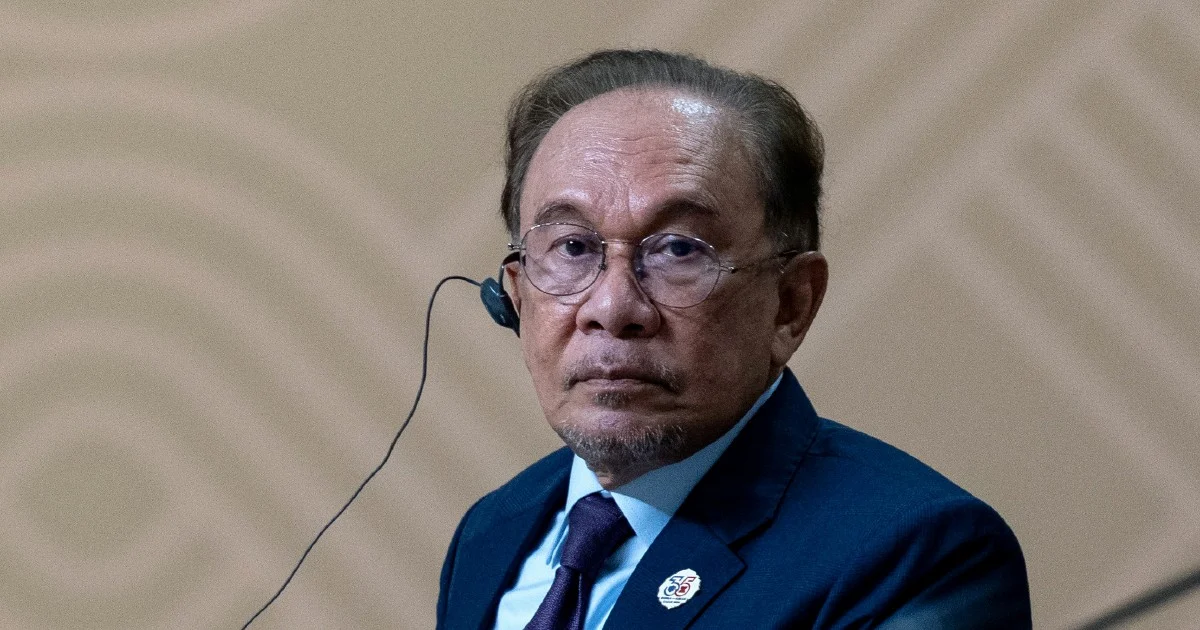
Prime Minister Datuk Seri Anwar Ibrahim will not be required to testify as a witness in a RM30 million civil lawsuit following a High Court decision in Kuala Lumpur. The court granted his application to set aside the subpoena that had compelled him to give evidence in the case against Vinod Sekhar.
The High Court's decision represents a significant development in the civil dispute, which has attracted considerable legal attention given the involvement of the nation's chief executive. The ruling hinges on legal principles governing when sitting heads of government can be compelled to appear as witnesses in civil proceedings, a question that intersects with constitutional considerations about executive prerogative and judicial authority.
Judicial systems worldwide grapple with balancing the demands of civil litigation against the operational requirements of high office. In Malaysia's context, courts must weigh the principle that no one stands above the law against the practical reality that the Prime Minister carries responsibilities that cannot be easily delegated or suspended. The High Court's determination that Anwar could be excused from appearing suggests the judge found the testimony was not absolutely essential or that alternative means could serve the interests of justice.
The RM30 million figure underscores the financial stakes involved in the dispute with Vinod Sekhar. Civil suits of this magnitude often attract intensive legal scrutiny and extensive court proceedings, making them significant test cases for legal principles. The involvement of a high-profile defendant such as the Prime Minister elevates the case's public profile and raises questions about how Malaysian courts manage proceedings when sitting officials become parties or witnesses.
The subpoena mechanism itself warrants examination. Compelling a Prime Minister to testify would require him to absent himself from official duties, potentially disrupting government operations or creating scheduling complications at the highest levels of the executive branch. The High Court appears to have considered such practical implications alongside purely legal questions about witness necessity and relevance.
This ruling may establish or clarify precedent regarding the scope of subpoena power when applied to sitting Prime Ministers. Future litigants seeking testimony from Malaysia's chief executive will likely reference this decision, as courts develop consistent doctrine on the matter. The principles articulated could influence how similar applications are handled, whether involving the Prime Minister or other senior officials holding critical constitutional positions.
The case also intersects with broader questions about accountability and transparency in Malaysia's political system. While courts have determined that the Prime Minister need not testify personally, the substantive claims in the RM30 million suit remain to be adjudicated. Other witnesses and documentary evidence may still illuminate the disputed matters, allowing the litigation to proceed despite the absence of the nation's top official from the witness stand.
Vinod Sekhar and the opposing party will need to assess how the exclusion of the Prime Minister's testimony affects their litigation strategy and evidentiary framework. Legal teams may need to rely more heavily on other witnesses, documentary materials, and expert analysis to construct their respective cases. The decision does not determine the underlying merits of the dispute, only that the Prime Minister personally need not give evidence.
Malaysia's judiciary has long maintained independence in civil matters, and this decision reflects that institutional capacity. Courts have authority to manage their own processes, including determining which witnesses are essential and how to balance competing interests. The High Court's ruling demonstrates judicial willingness to apply nuanced analysis when official status intersects with procedural requirements.
For the Prime Minister's office, the decision eliminates uncertainty about his potential testimony timeline and removes the prospect of court appearances that might clash with state business. This administrative clarity benefits the government's operational continuity, though it does not shield Anwar from legal accountability in his personal or business capacity in other proceedings.
The broader implication for Malaysian jurisprudence concerns how courts calibrate witness compulsion powers against executive function. As the country's legal system matures and faces increasingly complex questions about the balance between access to justice and governmental continuity, decisions like this one help establish workable frameworks. The High Court has signalled that while official status is not absolute immunity, practical considerations and the existence of alternative evidence can justify excusing even the most senior officials from witness duties.
Moving forward, the RM30 million civil dispute against Vinod Sekhar will proceed without the Prime Minister's personal testimony, though the case's resolution remains uncertain. The High Court's procedural decision provides clarity on one significant question while the underlying substantive matters awaiting determination by the courts remain open and contested.