%22%2F%3E%3C%2Fpattern%3E%3C%2Fdefs%3E%3Crect%20width%3D%22100%25%22%20height%3D%22100%25%22%20fill%3D%22url(%23ph49t16g)%22%2F%3E%3Crect%20width%3D%22100%25%22%20height%3D%22100%25%22%20fill%3D%22url(%23ph49t16p)%22%2F%3E%3Ctext%20x%3D%2250%25%22%20y%3D%2250%25%22%20text-anchor%3D%22middle%22%20dominant-baseline%3D%22central%22%20fill%3D%22rgba(255%2C255%2C255%2C0.95)%22%20font-family%3D%22Georgia%2C%20'Times%20New%20Roman'%2C%20serif%22%20font-weight%3D%22700%22%20font-size%3D%22272%22%20letter-spacing%3D%22-0.02em%22%3EAnwar%3C%2Ftext%3E%3C%2Fsvg%3E)
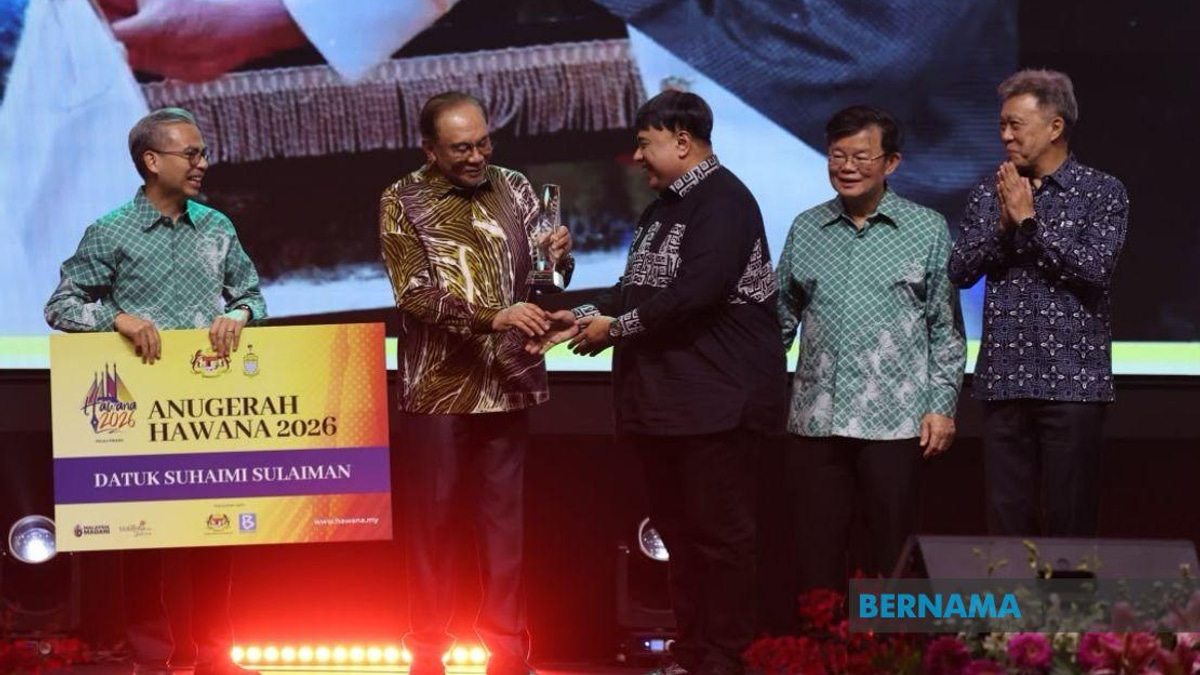
Prime Minister Datuk Seri Anwar Ibrahim will grace the PICCA Convention Centre in Butterworth as chief presenter for the HAWANA journalism awards ceremony, underscoring the government's commitment to recognizing journalistic achievement across Malaysia. The event represents a significant platform for celebrating media professionals who have demonstrated exceptional standards in reporting and public communication, reinforcing the role of a vibrant press in the nation's democratic discourse.
The HAWANA awards scheme operates as one of Malaysia's principal mechanisms for acknowledging outstanding contributions to journalism. By positioning the Prime Minister as the principal award presenter, the government signals the importance it places on media accountability and professional standards at the highest levels of national leadership. This ceremonial role carries symbolic weight, demonstrating executive-level engagement with the journalism community and the recognition of reporters and editors who shape public understanding of critical issues.
The Butterworth venue selection reflects efforts to bring significant national events beyond the Klang Valley, distributing recognition ceremonies across Malaysian states. PICCA Convention Centre serves as a modern facility capable of hosting large professional gatherings, making it an appropriate setting for honouring media practitioners from across the country. The choice also underscores Penang's continuing prominence as a cultural and professional hub in Malaysia's northern corridor.
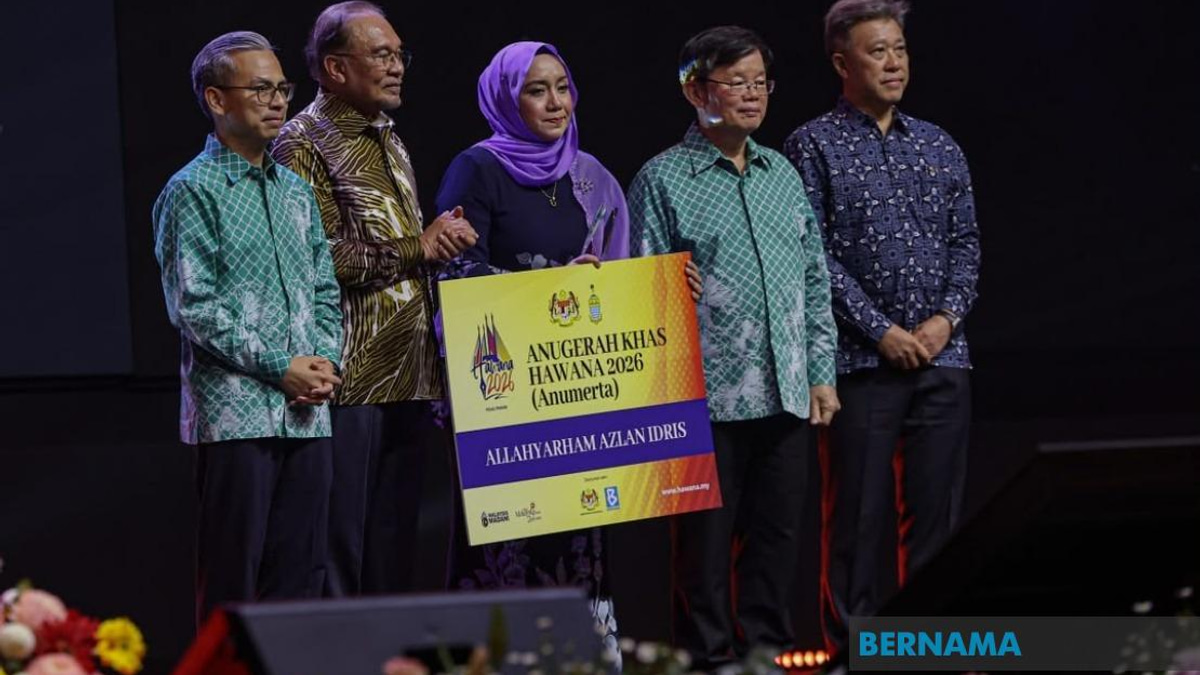
Special awards accompanying the primary HAWANA prizes indicate that the ceremony will distinguish multiple categories of journalistic excellence. These additional honours likely recognize emerging talent, investigative work, digital innovation, or coverage of particularly significant social and political issues. The tiered approach to awards demonstrates a nuanced understanding of the diverse forms journalism takes in contemporary Malaysia, from traditional print and broadcast to increasingly important online platforms.
For Malaysian journalists, such recognition carries professional and personal significance. Industry awards validate rigorous reporting standards, provide career advancement opportunities, and offer platforms for practitioners to gain national visibility. Participation in ceremonies attended by senior government officials also facilitates dialogue between media and political leadership, potentially influencing future government-media relations and communications policy.
The timing and nature of such events reflect broader conversations about press freedom and media responsibility in Southeast Asia. Malaysia's media landscape has evolved considerably, with increased digital platforms competing alongside established outlets. Recognition schemes like HAWANA help maintain professional standards across this diversifying ecosystem by celebrating adherence to journalistic principles and editorial excellence.
International observers often scrutinize Southeast Asian governments' relationships with media institutions. By publicly honouring journalists through prime ministerial participation, Malaysia demonstrates openness to acknowledging press contributions to national discourse. Such gestures contribute to perceptions of democratic health and institutional maturity, though broader assessments of press freedom must consider wider policy contexts.
The HAWANA framework also serves indirect policy purposes. By recognizing specific categories of journalism, the awards implicitly endorse particular reporting standards and methodologies. Highlighting investigative work, for instance, encourages other newsrooms to invest in resource-intensive research projects. Celebrating digital innovation recognizes the evolving nature of news consumption among Malaysian audiences, particularly younger demographic cohorts increasingly dependent on online sources.
For government communications, such ceremonies offer opportunities to emphasize administration priorities and messaging frameworks. The presence of the Prime Minister at journalism awards events allows subtle reinforcement of government narratives while ostensibly celebrating media independence. This dual function—genuine recognition combined with political communication advantage—characterizes such official ceremonies across most democracies.
The gathering also facilitates networking among journalism professionals, editors, and media organization leadership. These informal connections strengthen professional communities, enable knowledge-sharing about emerging reporting challenges, and create informal channels for discussing industry standards and practices. Such collegial relationships often prove as valuable as formal recognition.
Looking toward implications for Malaysian media development, such recognition ceremonies help establish and maintain professional norms during periods of significant industry transformation. As traditional media business models face disruption and new platforms emerge, institutional reinforcement of journalistic values through high-profile awards becomes increasingly important for preserving editorial standards and professional identity.
The event ultimately reflects Malaysia's evolving approach to media relations, balancing governmental interests with recognition of press contributions to national life. Whether such ceremonies strengthen press-government relations or represent symbolic gestures without substantive policy implications remains an ongoing discussion among media scholars and practitioners across the region.