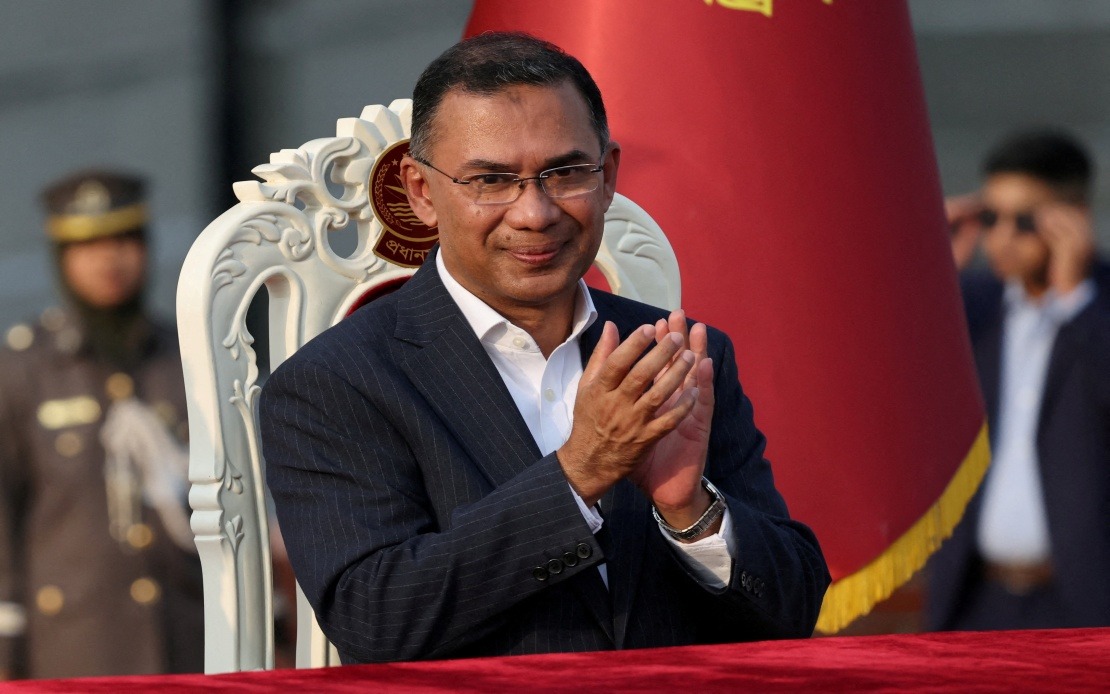
Bangladesh Prime Minister Tarique Rahman is set to arrive in Malaysia on June 22 for what marks his inaugural bilateral official visit since assuming the nation's top office in February 2026. The visit, extended at the invitation of Malaysian Prime Minister Datuk Seri Anwar Ibrahim, underscores the strategic importance both nations place on their relationship and signals Bangladesh's intention to deepen engagement with its Southeast Asian partners during a critical period of political transition.
The significance of choosing Malaysia as the destination for this maiden overseas mission carries considerable weight in regional diplomacy. By stepping into a neighbouring Muslim-majority democracy with established democratic institutions and robust regional standing, Rahman is effectively signalling Bangladesh's commitment to stability and constructive engagement with the broader Asian community. The decision reflects broader geopolitical calculations within South Asia, where Bangladesh seeks to balance its traditional relationships while building stronger ties across Southeast Asia.
During his stay, Rahman will receive full ceremonial honours befitting a state visit, including an official welcoming ceremony at the Perdana Putra Complex where he will hold bilateral discussions with Anwar. Both leaders intend to conduct a comprehensive review of the existing relationship, examining how far bilateral cooperation has progressed and identifying fresh opportunities for deepening ties. The agenda extends well beyond ceremonial niceties, with both administrations keen to chart new directions across multiple critical sectors.
The bilateral partnership encompasses an ambitious range of collaborative fields that reflect contemporary economic and strategic priorities. Trade and investment form the bedrock of this engagement, complemented by cooperation in human resource management—a sector where both nations have demonstrated complementary capabilities. Semiconductor manufacturing and energy security represent emerging areas of cooperation that align with regional industrial trends, particularly given Malaysia's established position in the semiconductor supply chain and Bangladesh's growing manufacturing base. Agricultural collaboration and educational exchanges round out the partnership framework, addressing long-term sustainability and human development objectives.
The visit will culminate in the formal signing of three significant bilateral instruments. A memorandum of understanding on cultural cooperation will strengthen people-to-people bonds and facilitate intellectual and artistic exchanges between the two nations. Simultaneously, two exchanges of notes will be executed covering counter-terrorism research and investment promotion and facilitation—areas that reflect both security imperatives and economic priorities in an increasingly complex regional environment. These instruments represent concrete commitments beyond rhetorical pronouncements, providing institutional frameworks for ongoing cooperation.
Trade data reveals the substantial economic foundation underpinning the relationship. In 2025, bilateral commerce between Malaysia and Bangladesh reached RM12.18 billion, equivalent to approximately US$2.84 billion. Malaysian exports to Bangladesh totalled RM10.08 billion, with petroleum products dominating the export portfolio—a testament to Malaysia's significance as an energy supplier to Bangladesh's growing economy. Conversely, Bangladeshi exports to Malaysia amounted to RM2.10 billion, comprising primarily textiles, apparel, and footwear, reflecting the labour-intensive manufacturing sectors where Bangladesh maintains competitive advantages.
Within the broader regional context, Bangladesh occupies a prominent position in Malaysia's economic geography. As the 28th largest trading partner globally, Bangladesh ranks as Malaysia's second most important partner within South Asia, surpassed only by India. This positioning carries implications for both bilateral relations and wider Southeast Asian economic integration, as Bangladesh's 170 million population represents an enormous market for Malaysian goods and services. The textile and apparel flows from Bangladesh demonstrate the complementary nature of the two economies, with Malaysian capital and technology feeding into Bangladesh's manufacturing ecosystem while Bangladeshi products service Malaysian consumption and export markets.
Rahman's delegation composition signals the importance accorded to this visit. Accompanying him are his spouse Dr Zubaida Rahman, Foreign Minister Dr Khalilur Rahman, and senior government officials whose participation indicates whole-of-government engagement with Malaysia. This broad representation suggests that multiple ministries and agencies will leverage the visit to advance sector-specific cooperation, whether in foreign affairs, economic development, or defence cooperation.
The official luncheon hosted by Anwar provides opportunity for informal diplomatic engagement beyond formal meeting structures, allowing the two leaders to develop personal rapport and explore issues that may extend beyond the prepared agenda. Such informal settings frequently prove instrumental in building trust and understanding between new leadership cohorts, particularly when one side represents a newly installed administration navigating its international relations.
For Malaysian observers, this visit demonstrates the country's continued relevance as a diplomatic hub within Asia. By hosting the maiden overseas visit of a major South Asian neighbour's new leader, Malaysia reinforces its positioning as a reliable partner for regional engagement and a venue where important bilateral and multilateral relationships are cultivated. The timing also reflects Malaysia's broader strategic objective of deepening ties across Asia beyond the traditional ASEAN framework.
Bangladesh's deliberate selection of Malaysia as the destination for Rahman's first official bilateral visit carries implications extending beyond immediate bilateral interests. It suggests a calculated effort to strengthen ties with established regional economies and institutions, particularly as Bangladesh navigates post-transition economic consolidation. For Malaysia, welcoming this high-profile visitor provides opportunity to expand market access in one of Asia's fastest-growing economies while deepening political relationships at the leadership level.
The various cooperation frameworks being established during this visit lay groundwork for more intensive engagement in coming years. Rather than serving as culmination of diplomatic engagement, these instruments and discussions establish starting points for expanded cooperation across multiple domains. Both nations appear positioned to leverage their complementary strengths—Malaysia's technological sophistication and capital resources alongside Bangladesh's manufacturing capacity and demographic dividend—to create mutually beneficial economic outcomes.
Looking forward, this inaugural visit may catalyse broader strategic realignment within South and Southeast Asia, as Bangladesh under new leadership reassesses its regional partnerships and engagement strategies. Malaysia's role in facilitating this process reflects its broader diplomatic ambitions and suggests that bilateral ties will likely intensify substantially in the coming months and years.