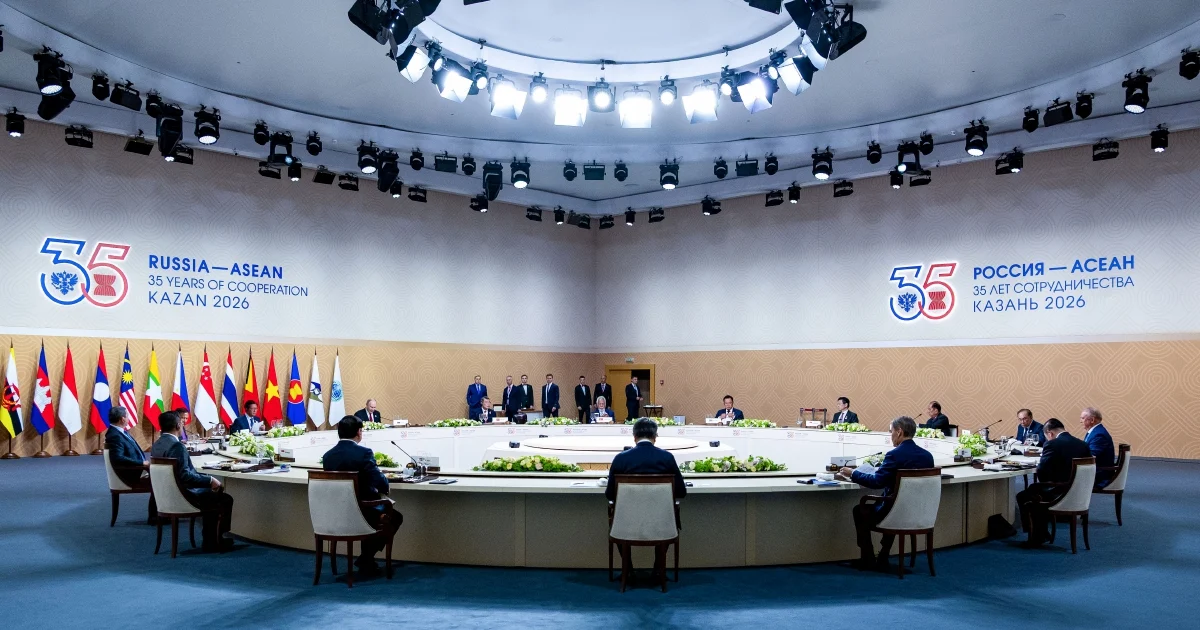
Prime Minister Datuk Seri Anwar Ibrahim's whirlwind tour through three pivotal cities—Tashkent, Kazan, and Ashgabat—in rapid succession represents a calculated shift in Malaysia's international economic strategy. The compressed itinerary covering Uzbekistan, Russia's Tatarstan region, and Turkmenistan within a short timeframe underscores Kuala Lumpur's determination to deepen engagement across Central Asia and the broader Caucasus corridor, territories historically overlooked by Southeast Asian capitals competing for attention elsewhere.
The strategic positioning of these three destinations is far from coincidental. Tashkent, as Uzbekistan's capital and the region's largest economic hub, serves as the natural entry point for any serious Central Asian initiative. The city functions as a nexus for trade routes and investment flows, controlling substantial reserves of natural gas and cotton production. Kazan, meanwhile, offers Malaysia a direct conduit to Russian business interests and represents an alternative hub for accessing Moscow's economic network without the geopolitical complications of direct engagement with the Kremlin during global tensions. Ashgabat, though smaller and more internationally isolated, commands significant hydrocarbon wealth and strategic positioning along corridors linking Europe, Asia, and the Middle East.
Malaysia's outreach into these territories reflects a broader Asian realignment responding to shifting global power dynamics. Southeast Asia's traditional focus on intra-regional integration through ASEAN, while valuable, leaves considerable economic potential untapped in northern territories. The Central Asian republics, with combined populations exceeding 70 million and substantial natural resource endowments, remain underutilized markets for Malaysian manufacturing, financial services, and technology exports. Similarly, Russia's regional status, despite sanctions and isolation from Western markets, continues to command significant economic influence within its historical spheres.
The timing carries additional significance within Malaysia's developmental narrative. As the nation pursues advanced manufacturing capabilities and seeks diversified export markets beyond traditional Asian partners, Central Asia presents genuine opportunities for Malaysian enterprises operating in petrochemicals, palm oil processing, halal food production, and Islamic finance. Turkmenistan and Uzbekistan both maintain substantial Muslim populations with purchasing power increasingly directed toward premium imported goods, while their governments actively seek partnerships with reliable, stable trading partners perceived as non-threatening to regional security arrangements.
From an energy security perspective, these visits acquire particular importance for a resource-constrained Malaysia. Natural gas imports currently form a critical component of the nation's energy strategy, and establishing relationships with Central Asian gas producers could provide valuable diversification away from traditional suppliers. Turkmenistan possesses among the world's largest natural gas reserves, though developing new export pathways requires patient diplomatic groundwork and the kind of high-level engagement that Anwar Ibrahim's visits exemplify.
The diplomatic mechanics merit examination as well. Rather than pursuing singular bilateral agendas, Malaysia's approach suggests attempting to construct a triangular relationship spanning Uzbekistan, Tatarstan, and Turkmenistan. This multi-nodal engagement strategy allows Kuala Lumpur to leverage each relationship to strengthen the others, creating cumulative benefits that exceed what isolated bilateral deals might achieve. Such sophisticated relationship management requires precisely the kind of consolidated, high-level attention that a prime ministerial tour delivers.
For Malaysian corporations, these overtures signal government backing for Central Asian expansion. Private sector enterprises often hesitate to invest in unfamiliar territories lacking established networks or proven governance frameworks. When Malaysia's premier undertakes extended diplomatic missions, it communicates state-level commitment to supporting and protecting Malaysian business interests in these regions. This soft infrastructure of government support frequently proves as valuable as traditional trade agreements.
The visits also position Malaysia within larger international conversations about Central Asian development and geopolitical realignment. China's Belt and Road Initiative has dominated discussions regarding investment in these regions, while India and Pakistan have mounted competitive diplomatic offensives. Malaysia's entry into this competition, though arriving somewhat later, brings distinct advantages. The nation's Islamic credentials, democratic governance systems, and demonstrated technological capabilities offer alternative partnership models to those provided by established powers. For Central Asian governments seeking to diversify international relationships and reduce dependence on dominant neighbors, Malaysia represents a genuinely independent partner.
Regional integration mechanisms may eventually benefit from Malaysia's expanded diplomatic footprint. As ASEAN explores greater engagement with Central Asian organizations and countries increasingly prioritize trans-Asian connectivity, Malaysian diplomatic presence in these territories strengthens Southeast Asia's broader voice in continental discussions. The visits therefore carry implications extending well beyond bilateral commercial arrangements into questions of regional architecture and Asian cooperation frameworks.
The compressed nature of Anwar Ibrahim's itinerary suggests this represents an initial reconnaissance mission rather than the culmination of strategic planning. Rapid tours typically establish personal relationships, assess opportunities, and signal intent rather than conclude detailed negotiations. Subsequent months will likely witness follow-up missions by specialized trade delegations, sectoral business groups, and government officials tasked with converting diplomatic openings into concrete commercial arrangements.
Looking forward, sustained engagement in Central Asia demands commitment beyond ceremonial visits. Malaysia must establish permanent diplomatic infrastructure, support language training in Uzbek and Turkmen for government officials, and facilitate regular business forums connecting private sectors. The fundamental challenge remains converting political will into practical institutional arrangements capable of sustaining relationships across geographical distance and cultural difference.
Ultimately, Anwar Ibrahim's Central Asian tour reflects Malaysia's maturing recognition that economic prosperity requires continuously expanding the aperture of international engagement. Rather than accepting predetermined hierarchies of global commerce or defaulting to established relationships with longstanding partners, Kuala Lumpur increasingly pursues strategic autonomy through methodical cultivation of new spheres of economic activity. Central Asia, with its enormous potential and relative accessibility to Southeast Asian actors, represents precisely the kind of frontier that ambitious emerging economies must pursue to secure long-term prosperity and geopolitical relevance.
%22%2F%3E%3C%2Fpattern%3E%3C%2Fdefs%3E%3Crect%20width%3D%22100%25%22%20height%3D%22100%25%22%20fill%3D%22url(%23ph3eq5fg)%22%2F%3E%3Crect%20width%3D%22100%25%22%20height%3D%22100%25%22%20fill%3D%22url(%23ph3eq5fp)%22%2F%3E%3Ctext%20x%3D%2250%25%22%20y%3D%2250%25%22%20text-anchor%3D%22middle%22%20dominant-baseline%3D%22central%22%20fill%3D%22rgba(255%2C255%2C255%2C0.95)%22%20font-family%3D%22Georgia%2C%20'Times%20New%20Roman'%2C%20serif%22%20font-weight%3D%22700%22%20font-size%3D%22320%22%20letter-spacing%3D%22-0.02em%22%3ETwo%3C%2Ftext%3E%3C%2Fsvg%3E)