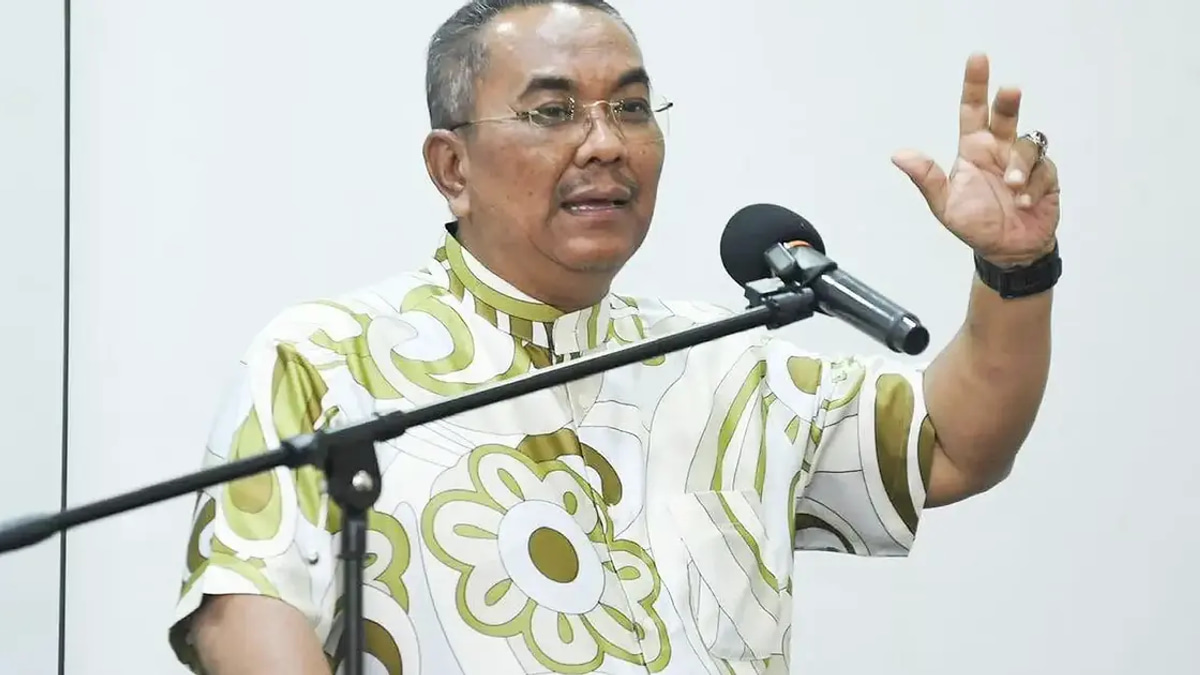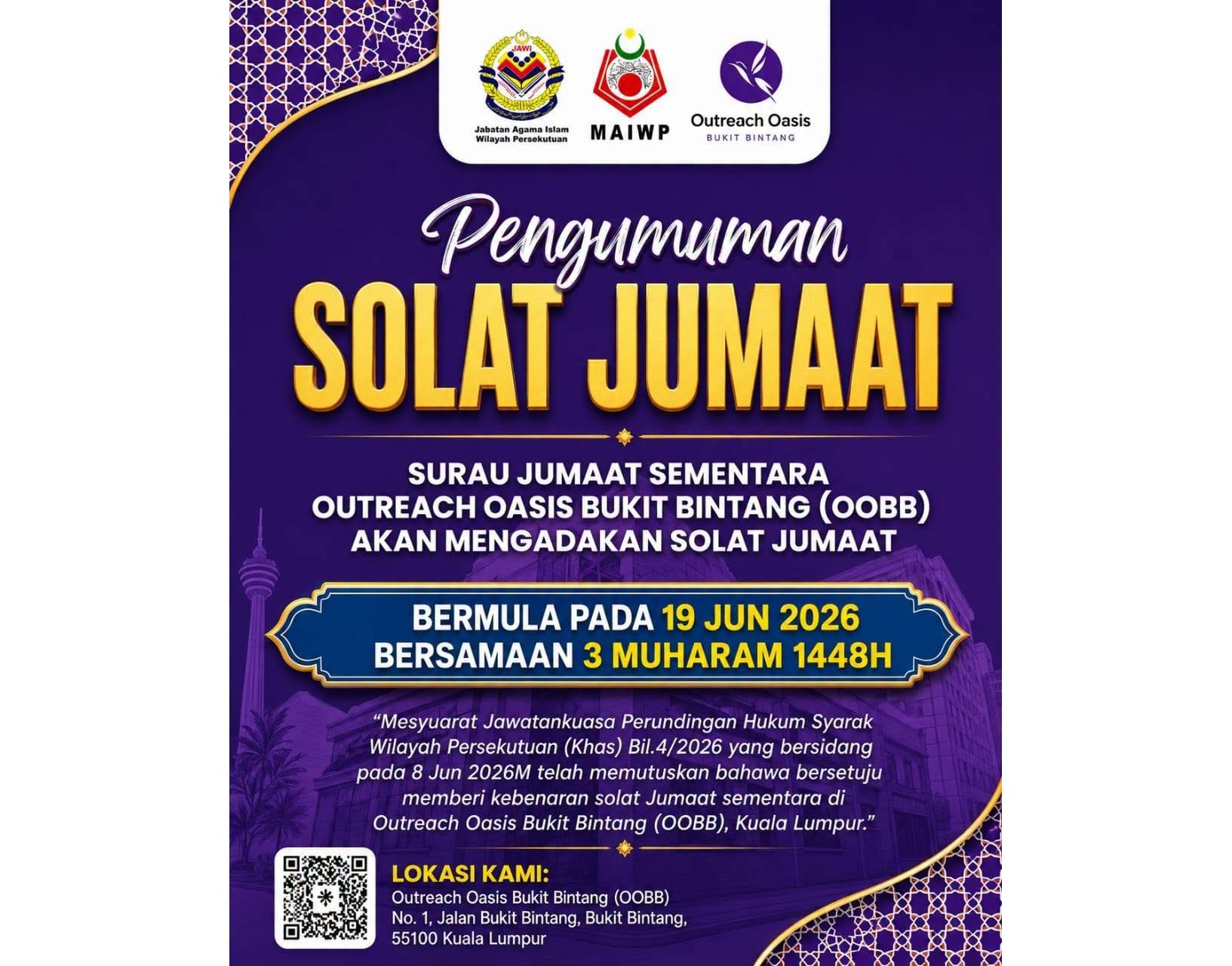
Muslims in the Bukit Bintang area now have a dedicated venue for Friday prayers following the opening of the Bukit Bintang Outreach Oasis for this purpose, a development that comes after special approval from the government. The facility, which became available on June 19, provides temporary prayer accommodation while authorities work to construct a permanent Friday surau at the location. Minister in the Prime Minister's Department (Religious Affairs) Dr. Zulkifli Hassan announced the initiative via social media, framing the move as a significant milestone for the downtown district.
The provision of this prayer facility addresses a long-standing gap in worship infrastructure within one of Kuala Lumpur's busiest commercial and entertainment zones. Bukit Bintang has developed over decades as a major retail and tourism hub, yet Muslim workers, visitors, and residents lacked convenient and comfortable facilities to discharge their Friday prayer obligations without travelling considerable distances. The temporary arrangement at the Outreach Oasis resolves an immediate practical challenge for the Muslim community while the government proceeds with plans for a permanent, purpose-built surau.
Dr. Zulkifli Hassan emphasised that the temporary solution eliminates the need for worshippers to rush through traffic, compete with time constraints, or navigate crowded public spaces to reach prayer venues. For those working in the area's numerous office towers, hotels, and retail establishments, this convenience factor proves particularly significant. The minister characterised the development as removing barriers to religious practice within the urban commercial setting, allowing Muslims to fulfil this fundamental religious obligation without disruption to their daily schedules or undue strain.
The minister's public invitation to the Bukit Bintang community to attend and support the Friday prayer gatherings carries broader implications for religious inclusivity and visibility in Malaysia's commercial districts. By encouraging congregational participation, the initiative signals government support for normalising Islamic religious practice within secular, multiconfessional public spaces. This approach reflects an understanding that major urban centres increasingly require religious facilities to serve diverse populations effectively.
The temporary arrangement represents a pragmatic interim solution while permanent infrastructure development proceeds. Construction timelines for such facilities typically extend over months, and providing temporary accommodation demonstrates responsiveness to immediate community needs. The Outreach Oasis, likely existing as a community or social services facility, can accommodate prayer groups without requiring major structural modifications, making it an efficient bridge solution.
The establishment of dedicated prayer facilities within central business districts addresses a phenomenon observed across Southeast Asian cities, where rapid commercialisation has sometimes outpaced religious infrastructure development. Kuala Lumpur's status as a financial and tourism centre means it attracts Muslim workers from across Malaysia and internationally, all of whom require convenient access to prayer facilities. The Bukit Bintang initiative demonstrates government recognition of this demographic reality.
Plans for a permanent Friday surau at the location reflect longer-term commitment to this infrastructure gap. A purpose-built facility will offer superior amenities and capacity compared to a temporary arrangement, potentially including ablution facilities, separate spaces for different prayer requirements, and proper climate control. Such facilities typically incorporate design elements that facilitate community gatherings beyond prayer times, serving broader social functions within urban neighbourhoods.
The timing of this announcement also carries significance for Malaysia's ongoing discussions about religious accommodation in secular spaces. As the country continues developing as a regional business hub, questions about integrating religious practice into commercial and public zones remain relevant for both Muslim and non-Muslim populations. The Bukit Bintang initiative presents a practical model for addressing such integration, demonstrating that appropriate religious facilities can coexist naturally within busy commercial districts.
For property owners and businesses in the area, the availability of prayer facilities may also offer indirect benefits by facilitating Muslim employees' workplace comfort and productivity. International research consistently shows that workers with convenient access to religious observance practices experience improved satisfaction and retention rates. From a business perspective, therefore, this development may contribute to workplace stability and efficiency across the Bukit Bintang district.
The government's approach to this initiative—through special approval rather than imposing requirements—suggests a collaborative framework with relevant stakeholders. This methodology may provide a template for addressing similar gaps in other commercial districts across Kuala Lumpur and other major Malaysian cities where rapid development has sometimes outpaced religious infrastructure planning. As Malaysia positions itself as a global financial centre, balancing the needs of diverse populations becomes increasingly central to urban development strategy.
Looking forward, the success of the temporary arrangement at the Bukit Bintang Outreach Oasis will likely inform both the design and implementation approach for the permanent surau. Attendance patterns, usage peak times, and community feedback gathered during the temporary phase can guide architects and planners in optimising the permanent facility. This data-driven approach ensures that the final surau meets actual user needs rather than relying solely on theoretical projections.
The initiative also reflects evolving understanding of religious pluralism within Malaysia's urban centres. By normalising Islamic prayer spaces within commercial districts used by people of all faiths, the development demonstrates that religious accommodation and secular urban functionality can coexist harmoniously. This balance becomes increasingly important as Malaysian cities attract diverse domestic and international populations seeking to maintain religious practices alongside professional and commercial activities.