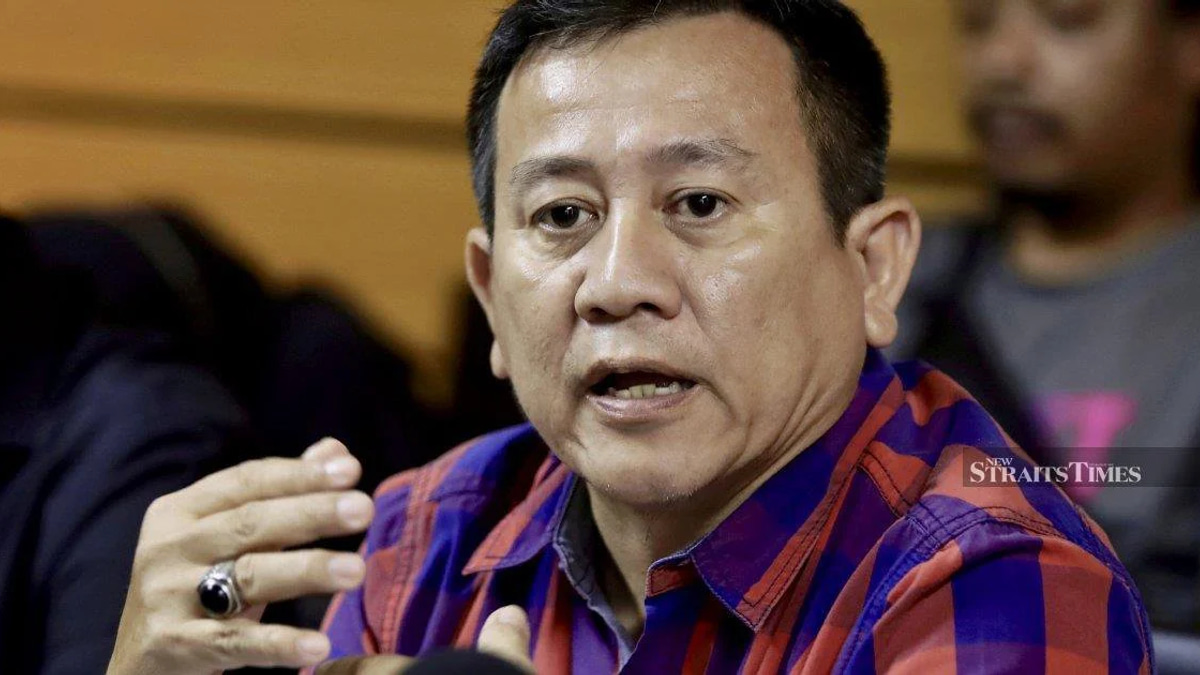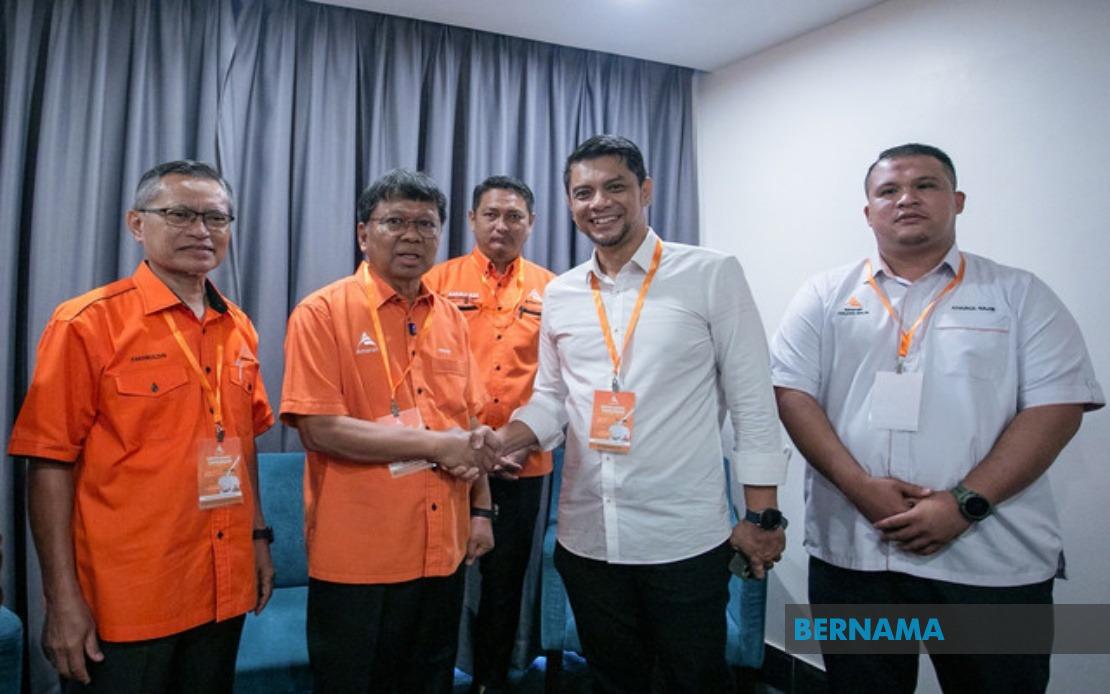
Former Titi Serong state assemblyman Hasnul Zulkarnain Abd Munaim has made his political return to Parti Amanah Negara (Amanah), nearly six years after departing the party. The readmission decision was formally endorsed during the party's National Management Meeting and National Leadership Meeting held on June 18, according to Perak Amanah chairman Datuk Asmuni Awi.
The party leadership's approval of Hasnul Zulkarnain's application marks a significant moment for Amanah's strategy in Perak, where the party has faced considerable electoral challenges in recent years. Asmuni noted that while Hasnul Zulkarnain had previously expressed interest in rejoining the party, the political environment had not been conducive to revisiting such matters until now. The timing of the decision reflects a calculated shift in Amanah's approach towards welcoming back former members who maintain ideological alignment with the party's values and objectives.
Hasnul Zulkarnain's political journey has been marked by considerable transitions. He initially left Amanah alongside two other state assemblymen—DAP's Yong Choo Kiong from Tronoh and A. Sivasubramaniam from Buntong—in March 2020, when all three announced their departure to become independents in the wake of Perikatan Nasional's formation as Perak's governing coalition. This period represented significant political upheaval in the state, as the PN government reconfigured the legislative landscape. By July 2020, Hasnul Zulkarnain took a further step by joining Bersatu, seeking to consolidate his political position within the newly dominant coalition structure.
The readmission carries implications beyond individual career advancement. Asmuni emphasized that Hasnul Zulkarnain's return is expected to bolster Amanah's organizational strength, particularly given that numerous former members who have departed the party over the years retain substantive alignment with its ideological platform. This observation suggests that Amanah recognizes a pool of potentially recoverable members whose absence reflects circumstantial political calculations rather than fundamental philosophical differences. The party's willingness to revisit applications from returnees signals a pragmatic evolution in membership management.
For Malaysian political observers, the significance of this development extends beyond Amanah's internal dynamics. The broader pattern of party-switching and readmission reflects how Malaysian politics continues to operate within a framework where individual politicians frequently reassess their party affiliations based on electoral viability, coalition prospects, and personal advancement opportunities. Hasnul Zulkarnain's decision to return to Amanah after his Bersatu chapter suggests that calculations regarding coalition positioning may have shifted, or that opportunities within Amanah's structure now appear more promising than they did in prior years.
Amanah has long positioned itself as a reformist component within Malaysia's political spectrum, emphasizing governance standards and anti-corruption principles. Hasnul Zulkarnain's previous role as the party's state Youth chief indicates his historical prominence within Amanah's organizational hierarchy. His reintegration thus represents not merely a reinstatement but a potential restoration of established cadres whose experience and networks could contribute meaningfully to the party's state-level operations.
In Perak specifically, the political terrain has evolved considerably since 2020. The state has experienced multiple government formations and realignments, creating a fluid environment where party configurations remain subject to ongoing negotiation. Amanah's presence in this context, often situated as an ally to other opposition and centrist forces, may benefit from the return of experienced legislators who understand the state's particular political dynamics and constituency relationships.
Hasnul Zulkarnain's acceptance of his readmission, expressed through his gratitude towards party leadership, reflects the mutual nature of this political reconciliation. His comment that the decision represents leadership confidence in his capacity to contribute suggests he views the return not as a personal vindication but as an opportunity to resume meaningful participation in Amanah's organizational work. Such framing is typical of political figures managing the optics of party-switching within Malaysian contexts, where narratives of loyalty and ideological consistency remain rhetorically valuable.
The broader pattern evident in this readmission extends across Malaysia's political landscape, where PKR, DAP, Umno, and other major parties have similarly entertained applications from former members seeking to return. This suggests a maturation of pragmatic politics in which parties increasingly recognize that maintaining ideological rigidity regarding past departures may come at the cost of recovering potentially useful political capital. Whether such readmissions ultimately strengthen these parties depends on whether returnees can effectively rebuild the relationships and credibility that may have been damaged through their prior departures.
For Perak's political composition, the Hasnul Zulkarnain readmission represents a small but notable addition to Amanah's bench of experienced state-level politicians. As Malaysia approaches electoral cycles at the state and federal levels, parties across the spectrum continue to consolidate their organizational resources and personnel. Amanah's decision to welcome back former members, rather than maintaining exclusionary positions, indicates an organization attempting to operate from a position of modest confidence regarding its future trajectory and coalition viability within Perak's evolving political ecosystem.