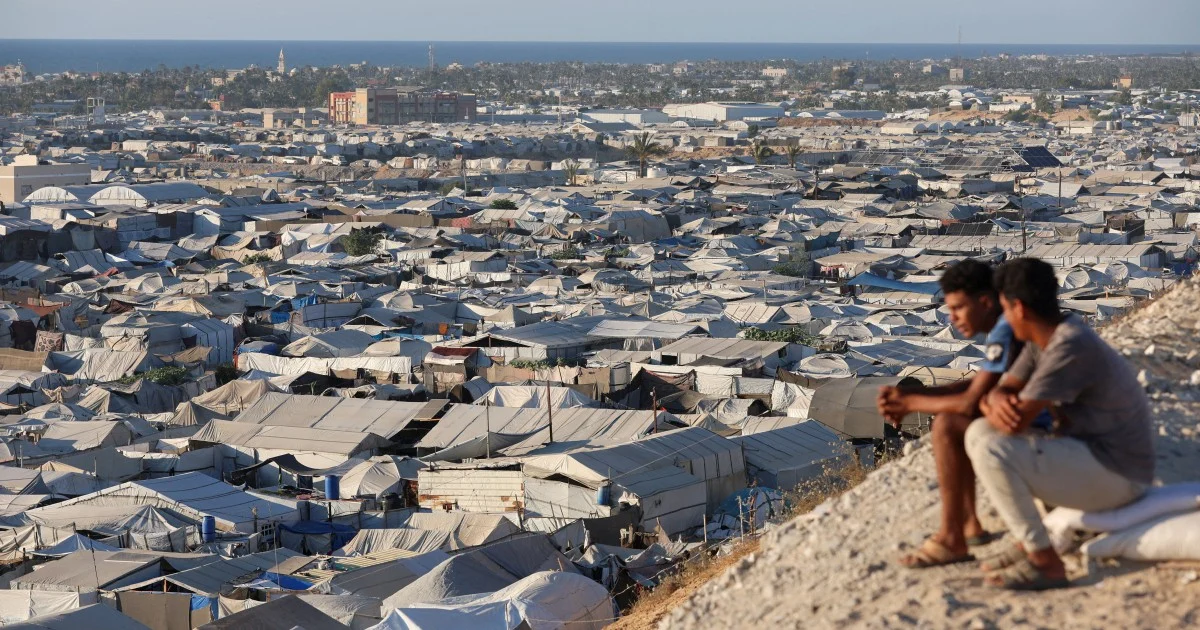
The United Nations voiced scathing criticism of the ceasefire arrangement in Gaza this week, characterizing it as a "deadly illusion" that has failed to protect civilians—particularly children—from ongoing violence. The assessment comes more than eight months after the ceasefire was formally declared, yet according to UN documentation, at least 265 children have lost their lives during this supposed period of peace.
The grim toll underscores a widening gap between the nominal cessation of hostilities and the brutal reality facing residents in the devastated territory. UNICEF and other UN agencies have documented that children continue to be killed through various means despite the official ceasefire agreement, raising fundamental questions about the mechanisms in place to enforce and monitor compliance with the accord. The continued loss of young lives represents a profound humanitarian failure that demands renewed international attention and accountability.
For Malaysian observers and policymakers, this development carries particular significance given Malaysia's historical advocacy for Palestinian rights within international forums. The country has consistently raised concerns about civilian protection in armed conflicts and has supported UN resolutions addressing humanitarian crises. The news from Gaza reinforces the urgency of Malaysia's diplomatic positions and may strengthen calls for more robust international intervention mechanisms to ensure ceasefire agreements are genuinely implemented.
The situation also reflects broader regional instability that extends beyond the immediate geography of Gaza. Prolonged conflicts and ineffective ceasefire arrangements in the Middle East have ramifications for global security, humanitarian operations, and international law. As a nation deeply engaged in ASEAN solidarity and broader peacekeeping discussions, Malaysia may find this moment opportune to amplify calls for strengthened international mechanisms that can verify and enforce ceasefire compliance on the ground.
The UN's characterization as a "deadly illusion" appears deliberately provocative, suggesting not merely technical failures in implementation but a fundamental betrayal of the ceasefire's stated purpose. This language indicates frustration among international humanitarian organizations that decades of experience in conflict zones have yielded insufficient tools to prevent civilian casualties once nominal agreements are reached. The persistence of child deaths despite a declared ceasefire exposes the limitations of paper agreements without adequate international monitoring and enforcement capacity.
The humanitarian cost extends far beyond the mortality statistics. The continuation of violence means that reconstruction, rehabilitation, and the restoration of normal life—including education and healthcare services essential for children's development—remain severely constrained. Displaced children face ongoing psychological trauma, malnutrition, disease vulnerability, and deprivation of fundamental rights. The "deadly illusion" label captures not just the failure to stop killing but the failure to create conditions where children can begin healing and rebuilding their futures.
From a Southeast Asian perspective, this situation illustrates how distant conflicts create ripple effects through international systems and institutions that regional nations like Malaysia depend upon. Weakened credibility of ceasefire mechanisms globally undermines confidence in conflict resolution processes that ASEAN and its partners might invoke or support. When high-profile international agreements fail to protect the most vulnerable populations, it raises questions about the viability of similar arrangements in other theaters.
The UN's stark assessment also highlights the challenges that humanitarian organizations face in documenting casualties and maintaining independent verification of compliance. Accurate reporting of child deaths requires secure access, functioning health systems, and cooperative authorities—conditions rarely present in active conflict zones. The fact that the UN feels compelled to issue such strong language suggests the documented evidence is substantial and that organizational patience with the status quo has been exhausted.
For the international community, the Gaza situation presents a test case for whether diplomatic frameworks can be strengthened to prevent the betrayal that the ceasefire apparently represents. Malaysia, as a member of the UN and a voice for developing nations and affected communities, has platforms to advocate for enforcement mechanisms, international presence, and accountability measures that go beyond traditional ceasefire language. The continued deaths of children demand more than expressions of concern; they demand structural reform of how the international community responds to ceasefire violations.
The broader implications extend to how conflicts are resolved globally and what protection mechanisms actually work. If ceasefires can function as mere pauses that fail to stop violence against civilians—especially children—then the fundamental utility of such agreements comes into question. The UN's willingness to use the term "deadly illusion" suggests an organization grappling with the limitations of its own mandate and appealing for fundamentally different approaches to conflict resolution and protection.
Moving forward, stakeholders including Malaysia should consider what concrete measures could transform the Gaza situation from a failed ceasefire into genuine peace. This might involve expanded international verification mechanisms, peacekeeping personnel with actual enforcement authority, targeted humanitarian access corridors, and consequences for violations that carry real diplomatic and economic weight. Without such reforms, similar scenarios may recur in other conflicts, further eroding faith in international governance systems.
The death of 265 children over eight months during a supposed ceasefire is not merely a statistical tragedy but an indictment of the international system's ability to protect the most vulnerable during and after conflicts. For Malaysia and other nations concerned with global stability and humanitarian protection, this moment demands not passive condemnation but active engagement in building more effective frameworks for peace.
%22%2F%3E%3C%2Fpattern%3E%3C%2Fdefs%3E%3Crect%20width%3D%22100%25%22%20height%3D%22100%25%22%20fill%3D%22url(%23ph2bxqxg)%22%2F%3E%3Crect%20width%3D%22100%25%22%20height%3D%22100%25%22%20fill%3D%22url(%23ph2bxqxp)%22%2F%3E%3Ctext%20x%3D%2250%25%22%20y%3D%2250%25%22%20text-anchor%3D%22middle%22%20dominant-baseline%3D%22central%22%20fill%3D%22rgba(255%2C255%2C255%2C0.95)%22%20font-family%3D%22Georgia%2C%20'Times%20New%20Roman'%2C%20serif%22%20font-weight%3D%22700%22%20font-size%3D%22194%22%20letter-spacing%3D%22-0.02em%22%3EPakatan%3C%2Ftext%3E%3C%2Fsvg%3E)