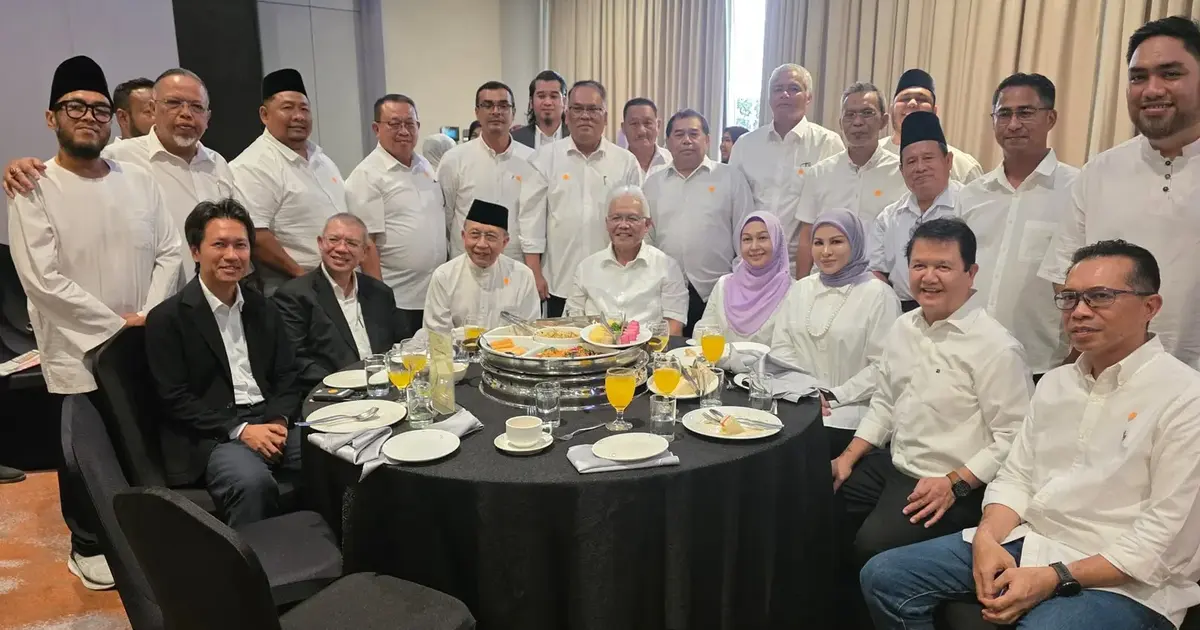
The political landscape in Malaysia has shifted once again as Hamzah assumes the presidency of Wawasan, marking a pivotal moment in the party's organisational development. This appointment comes as part of a broader restructuring initiative designed to strengthen the party's institutional framework and position it more effectively within Malaysia's competitive political environment. The announcement reflects the party's commitment to bringing experienced leadership to the forefront as it navigates the complex challenges facing Malaysian politics today.
Rais Yatim, whose political career spans several decades and includes ministerial positions in previous administrations, has been selected to serve as chairman alongside Hamzah's presidency. Yatim brings substantial governmental experience and institutional knowledge that are expected to provide strategic direction to Wawasan's operations. His appointment underscores the party's strategy of leveraging the expertise of seasoned political figures who have operated at the highest levels of Malaysian governance.
The choice of Saifuddin Abdullah, the Member of Parliament representing the Indera Mahkota constituency, to take on the secretary-general portfolio adds another dimension to this leadership reconfiguration. As an incumbent parliamentarian, Saifuddin's appointment indicates the party's emphasis on integrating active legislators into its core decision-making structures. This approach helps bridge the gap between the party's administrative machinery and its parliamentary representation.
For Malaysian observers and political analysts, these appointments warrant careful examination in the context of broader coalition dynamics. The restructuring signals Wawasan's determination to consolidate its organisational strength and establish clearer lines of authority and responsibility. In a political climate where coalitional arrangements frequently shift and party structures frequently undergo transformation, having a clearly defined leadership hierarchy has become increasingly important.
The implications for Wawasan's future trajectory are noteworthy. With Hamzah, Rais Yatim, and Saifuddin Abdullah now anchoring the party's leadership, Wawasan appears poised to articulate a more cohesive political message and coordinate its strategies with greater precision. The selection of individuals with varying backgrounds and parliamentary experience suggests the party intends to draw on multiple sources of expertise and legitimacy.
Within the Southeast Asian context, where political parties frequently rely on the prestige and networks of senior figures, this appointment pattern reflects established regional trends. However, Malaysia's specific constitutional arrangements and the complex interplay between federal and state-level politics create unique circumstances that influence how such leadership appointments play out in practice.
For members and supporters of Wawasan, the new leadership structure presents both opportunities and challenges. The appointment of experienced political operators suggests the party will pursue its objectives with greater institutional discipline, yet such changes also invariably bring questions about strategic direction and the extent to which new leadership will chart fresh courses or consolidate existing policies.
The timing of these appointments merits consideration alongside recent developments in Malaysian politics more broadly. Leadership reshuffles often occur in response to electoral performance, internal party dynamics, or shifts in broader political alignments. Understanding the specific catalysts for this particular reorganisation provides insight into the pressures and opportunities currently facing Wawasan.
Moving forward, the effectiveness of this new leadership configuration will likely be measured by Wawasan's ability to translate organisational restructuring into tangible political outcomes. Whether through enhanced parliamentary performance, improved party-membership engagement, or more effective coalition cooperation, the success of Hamzah, Rais Yatim, and Saifuddin Abdullah in their respective roles will ultimately determine whether this reshuffle represents a genuine inflection point for the party or merely a routine administrative adjustment.
For Malaysian voters and political observers seeking to understand the evolving political landscape, these leadership changes at Wawasan merit attention as part of the larger mosaic of party-level developments shaping national politics. As Malaysian political parties continue to adapt to changing circumstances, the composition and effectiveness of their leadership structures remain central to their ability to influence policy directions and secure political representation.