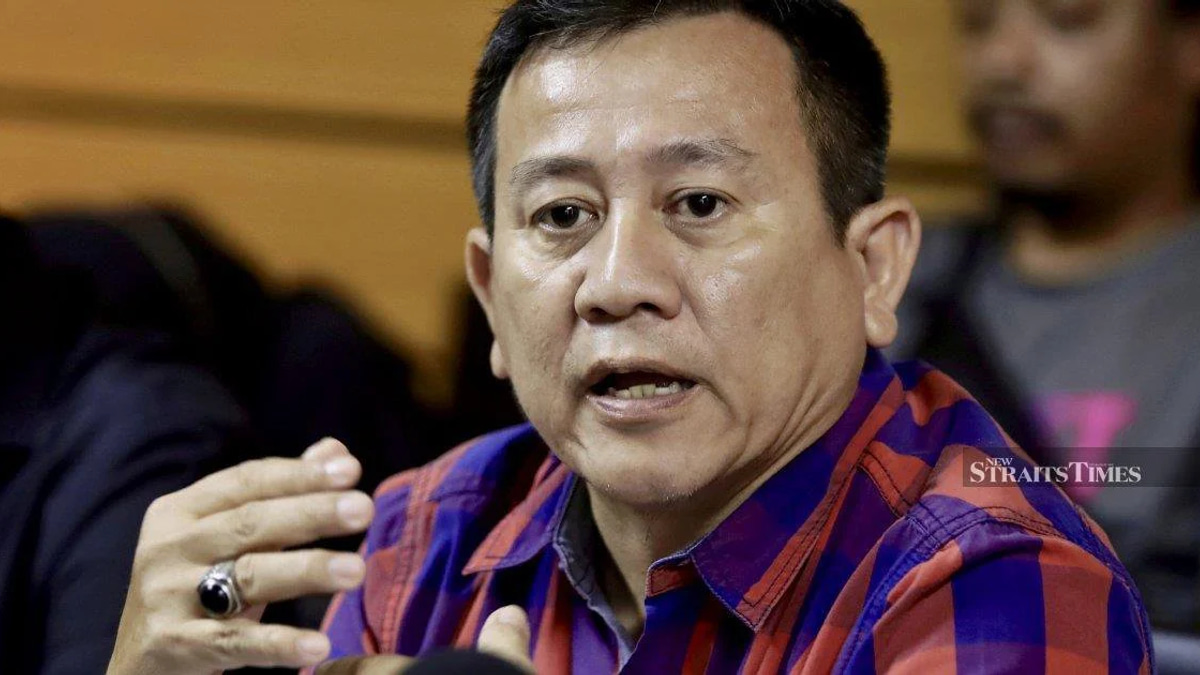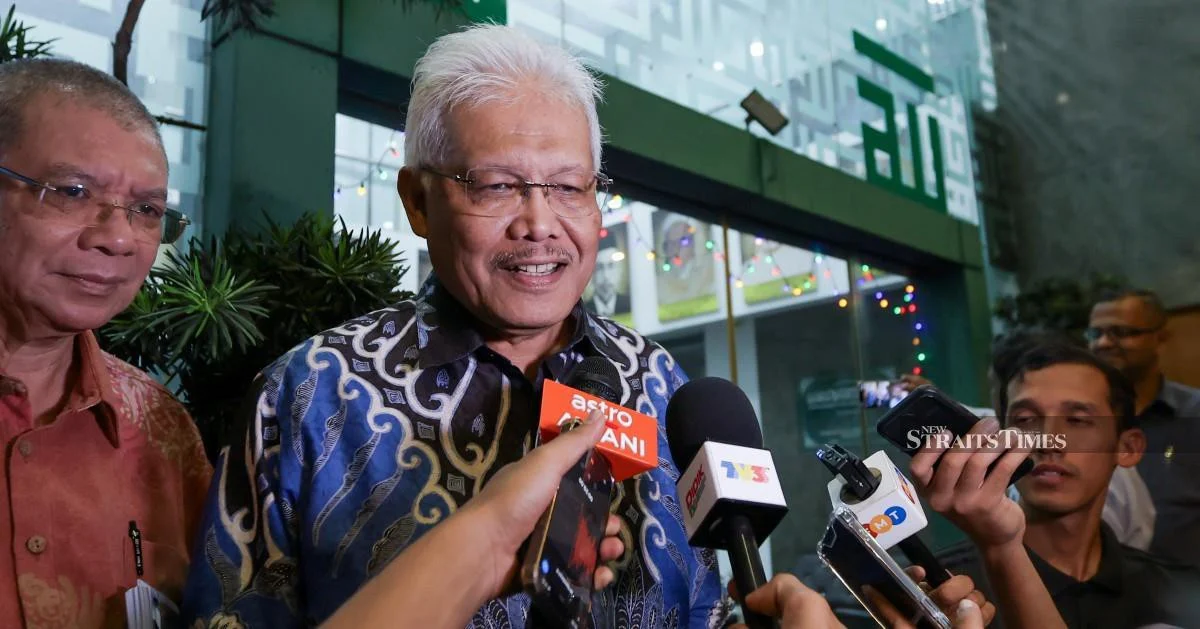
Datuk Seri Hamzah Zainudin is set to resume his position as the official opposition leader in the Dewan Rakyat when Parliament reconvenes this Monday, according to the updated seating chart released by the lower house. The development marks a significant reshuffle in the parliamentary opposition hierarchy, with Bersatu president Tan Sri Muhyiddin Yassin losing the prominent front-row seat traditionally reserved for the leader of the main opposition bloc.
The seating arrangements in Malaysia's Parliament carry considerable symbolic weight, reflecting the pecking order within opposition ranks and the government's recognition of which coalition commands the most legislative clout outside the ruling benches. Hamzah's return to the front seat signals a consolidation of authority within the opposition camp, likely following shifts in coalition dynamics that have played out over recent months.
Muhyiddin, who has led Bersatu since 2020 and previously served as Prime Minister, will occupy a seat further along the row—a physical displacement that underscores the changing balance of power within the opposition alliance. This repositioning does not necessarily diminish his political influence, but it does confirm that Hamzah commands greater parliamentary recognition as the principal voice challenging the government from outside the executive.
Hamzah's trajectory in Malaysian politics has been notably volatile. He held the opposition leader designation previously, surrendering it when Bersatu aligned with the government or when coalition configurations shifted. His return reflects the fluid nature of Malaysian parliamentary politics, where alliances between Pakatan Harapan, Bersatu, and Perikatan Nasional blocs have repeatedly reconfigured based on electoral mathematics and factional negotiations.
The timing of this shift is worth noting, as Parliament seat allocations typically follow specific events—a general election, a change in government, defections, or formal agreements between opposition coalitions to designate a single leader. Malaysian lawmakers and observers have closely monitored such arrangements for clues about behind-the-scenes negotiations that shape the nation's political direction.
For Malaysian readers and regional political analysts, this development carries implications beyond ceremonial positioning. The opposition leader's seat in the Dewan Rakyat remains a highly visible platform for parliamentary scrutiny, questioning, and legislative influence. Whoever occupies it gains substantially greater airtime during Question Time, priority in raising adjournment matters, and symbolic legitimacy as the chief architect of alternative policies.
Bersatu's positioning within the broader opposition architecture remains complex. The party has maintained a deliberately ambiguous stance between opposing and engaging with successive governments, a strategy that has occasionally frustrated more orthodox opposition partners in Pakatan Harapan. Muhyiddin's move to a secondary seat might reflect frustration among other opposition components, or it could signal Bersatu's acceptance of a supporting role while other parties provide the most vocal parliamentary opposition.
The seating chart formality also highlights how Parliament functions as a stage for political communication in Malaysia. Foreign observers, investors, and regional governments often read such symbolic arrangements as indicators of stability or instability within Malaysia's political system. A clear, unified opposition front—however tenuous—projects an appearance of orderly democratic competition, whereas ambiguity about leadership and coalition cohesion can suggest fragility.
Hamzah brings his own political credibility to the opposition leader's role. His background in law and his tenure in various ministerial positions provide a foundation of legislative experience that supports his capacity to articulate alternative policy positions. Yet his effectiveness will ultimately depend on whether the disparate opposition parties can maintain sufficient unity to present a coherent challenge to government initiatives, a historically difficult task in Malaysian politics.
The forthcoming parliamentary term will test how meaningfully Hamzah can leverage the opposition leader's platform. Malaysian parliamentary sessions have become increasingly contentious in recent years, with government and opposition benches engaging in pointed exchanges over fiscal policy, civil service reforms, and governance accountability. The opposition leader's visibility during these debates can substantially shape public perception of alternative leadership capacity.
For the broader Southeast Asian context, Malaysia's parliamentary dynamics matter. The region's most established democracies, including Malaysia, continue to develop institutional mechanisms for orderly power transitions and robust legislative oversight. While Malaysia's politics remain fractious, the adherence to parliamentary protocols and the recognition of opposition leadership roles demonstrates a commitment to democratic process, even amid considerable factionalism.
As Hamzah prepares to occupy the opposition leader's seat this Monday, attention will inevitably turn to questions about the durability of current opposition alignments and whether the various blocs can collaborate on major legislative matters. The seating chart is merely a starting point; the real test lies in whether the opposition can translate parliamentary position into meaningful policy alternatives and electoral viability.