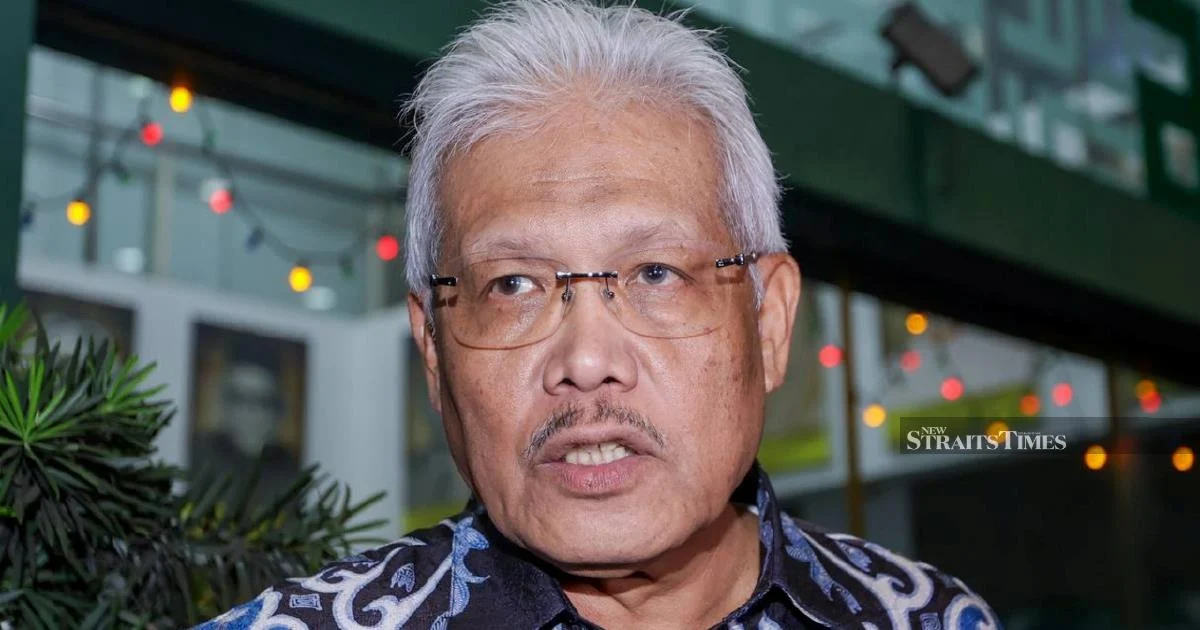
Datuk Seri Hamzah Zainudin's appointment as the nation's opposition leader will be formally cemented through an official notification to the Dewan Rakyat Speaker, with the submission planned before the legislature reconvenes. The move represents the completion of procedural requirements to establish Hamzah's position within parliamentary protocols and standing orders, transforming what has been a de facto arrangement into a formally recognized institutional role.
The notification process underscores the significance of parliamentary recognition in Malaysia's system of governance, where the opposition leader holds particular status in parliamentary debates, question time allocation, and ceremonial functions. Unlike some Westminster systems where the opposition leader is automatically the head of the largest opposition party, Malaysia's framework requires explicit formal recognition through the speaker's office. This procedural step ensures clarity about parliamentary representation and maintains the transparency that underpins legislative accountability.
Hamzah's leadership of the opposition reflects the evolving political landscape following recent elections and coalition realignments. As a senior politician with extensive executive experience, his appointment signals continuity in opposition oversight and legislative scrutiny of government policies. The timing of the formal notification—scheduled before parliamentary proceedings resume—indicates the opposition's intention to establish clear institutional frameworks for the next legislative session.
The submission to the speaker carries implications for parliamentary procedure and resource allocation. The opposition leader typically receives parliamentary support facilities, priority speaking rights during certain debates, and formal recognition in ceremonial proceedings. These institutional advantages are essential for effective opposition functioning, particularly in holding government to account through questions on policy implementation and legislative proposals.
For Malaysian observers, Hamzah's formal recognition as opposition leader marks a pivotal institutional moment as the country navigates complex political coalitions. The opposition's deliberate approach to completing formal procedures reflects institutional maturity and respect for parliamentary conventions, even amid political competition between government and opposition blocs. This commitment to procedural correctness strengthens Malaysia's parliamentary democracy by ensuring that all political actors, regardless of their positions, operate within established frameworks.
The notification also addresses questions about opposition coordination and unity. By formally designating a single opposition leader, the coalition demonstrates its capacity to present a cohesive alternative to government policies and provide focused scrutiny. In a parliament where government and opposition positions are closely balanced, the designation of a formal opposition leader clarifies lines of communication and accountability within the legislature.
From a regional perspective, Malaysia's meticulous attention to parliamentary procedure reflects standards common across mature Westminster democracies in Southeast Asia. The transparent process of formally recognizing opposition leadership strengthens democratic institutions and international perceptions of Malaysia's commitment to constitutional governance. For Malaysian stakeholders and the broader electorate, this institutional clarity contributes to understanding parliamentary dynamics and the oversight mechanisms available to hold elected officials accountable.
The submission timeline also facilitates parliamentary planning and scheduling for the upcoming session. Parliamentary staff require clear designation of opposition leadership to allocate time, facilities, and resources appropriately. The formal notification process ensures that all stakeholders—government, opposition, and parliamentary administration—operate with shared understanding of roles and responsibilities before legislative business commences.
Hamzah's appointment represents the culmination of political developments within opposition circles, where various factions have aligned to present unified parliamentary representation. The institutional recognition through formal notification to the speaker consolidates this political arrangement and ensures it receives legal standing within parliamentary operations. This transition from political arrangement to institutional reality demonstrates how parliamentary democracy operationalizes political change through established procedures.
Looking forward, the formalization of Hamzah's leadership establishes clear parameters for opposition engagement during the parliamentary session. The opposition leader's formal status enables more effective exercise of parliamentary prerogatives, from securing debate time to proposing legislative amendments and engaging in substantive interrogation of government policy. For Malaysian democracy, this institutional clarity strengthens the democratic process by ensuring opposition voices receive appropriate parliamentary recognition and platforms.
The notification process also reflects broader principles of democratic governance in Malaysia, where even political opponents operate within shared constitutional frameworks. By respecting parliamentary procedures and formal recognition requirements, the opposition demonstrates commitment to democratic norms alongside its role as government critic. This dual commitment—to effective opposition while maintaining institutional integrity—characterizes functional democracies throughout the Commonwealth.
As the notification proceeds through parliamentary channels, it signals the beginning of a new parliamentary term with clarified opposition leadership and institutional arrangements. The formal recognition of Hamzah as opposition leader through the speaker's notification establishes foundations for constructive legislative engagement, where government and opposition interact within clear procedural frameworks designed to serve public interest and democratic accountability.