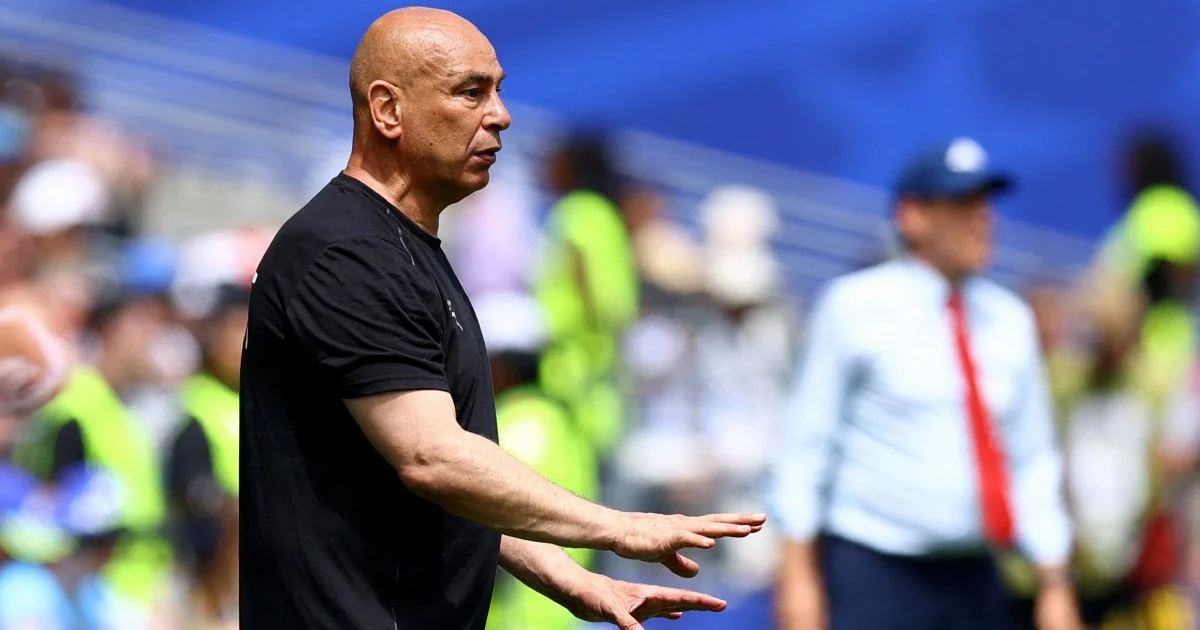
Egypt's coaching staff has moved swiftly to quash speculation surrounding internal discord within the national team, with head coach Hossam Hassan publicly rejecting claims that tensions exist between key players ahead of a pivotal World Cup fixture. Speaking ahead of the Group G encounter against New Zealand scheduled for BC Place in Vancouver on Sunday, Hassan delivered a forceful rebuttal to reports suggesting friction involving Mohamed Salah, the Liverpool forward and undisputed focal point of Egypt's attacking strategy.
The emergence of such rumours during an international tournament can undermine team morale and create unnecessary distractions from the football itself. For a nation with Egypt's proud World Cup heritage, maintaining squad cohesion becomes paramount when competing on sport's grandest stage. Hassan's public reassurance signals to stakeholders, supporters and the media that internal unity remains intact, even as external pressures mount during the tournament's group phase.
Mohamed Salah represents far more than a single footballer to the Egyptian national team. His individual brilliance has elevated the entire squad's competitive standing in global football, with his performances at club level lending credibility and tactical sophistication to the national setup. Any perceived rift involving a player of his calibre could reshape team dynamics, potentially affecting both morale and on-field performance. Hassan's swift denial attempts to prevent speculation from gaining traction or influencing the team's preparation.
The World Cup Group G assignment presents Egypt with both opportunity and considerable challenge. Facing New Zealand in Vancouver represents a realistic chance to secure valuable points early in the tournament, though the pressure accompanying such encounters can sometimes breed internal tensions. Malaysia, as a Southeast Asian nation familiar with the pressures of qualifying for and competing in international tournaments, understands how squad harmony becomes a critical asset during make-or-break football matches.
Egypt's historical World Cup performances have established the nation as a competitive force in African and global football. However, translating traditional pedigree into concrete results during tournaments requires more than individual talent. The synchronisation of playing styles, tactical understanding and interpersonal harmony among squad members often determines whether teams progress or encounter early elimination. Hassan's emphasis on squad cohesion reflects this reality.
The timing of such rumours warrants scrutiny. Media narratives surrounding potential conflicts can sometimes emerge from speculative reporting rather than substantiated grievances. Hassan's response demonstrates the coaching staff's commitment to managing external commentary whilst maintaining focus on preparation and tactical strategy. For Malaysian sports followers accustomed to navigating similar tournament pressures, the importance of leadership clarity in these moments remains well understood.
Salah's role within the Egyptian setup extends beyond his goalscoring and creative contributions. His profile, international recognition and market value make him an invaluable asset in tournament football where squad depth and specialised skills become crucial differentiators. Any suggestion of discord between coaching staff and such a prominent figure naturally attracts media attention and wider scrutiny. Hassan's public position effectively closes down discussion and refocuses attention toward Sunday's New Zealand match.
New Zealand presents an interesting Group G opponent, bringing their own tactical philosophy and competitive aspirations to the encounter. The match carries genuine significance for both teams, with early points potentially determining their progression chances. Egypt's preparation must accommodate both the technical demands of their opponents and the psychological factors that emerge during tournament football. Hassan's squad unity message reinforces the team's psychological readiness.
For the broader Asian football context, Egypt's World Cup performance carries resonance. As a transcontinental nation with strong football traditions, Egyptian success carries implications across African and Middle Eastern football. Malaysian observers following the tournament recognise how Egypt's participation shapes the competitive landscape and influences regional dynamics within international football hierarchies.
The coach's handling of this situation reflects modern football management principles, where media relations and squad management intertwine with tactical preparation. Hassan appears positioned to navigate both dimensions effectively, maintaining public confidence whilst addressing any underlying issues through private channels if necessary. This approach protects the team whilst demonstrating professional leadership to supporters and the global audience.
As Egypt prepares to take the pitch on Sunday, the emphasis from the coaching staff remains firmly on performance and progression. Hassan's rejection of internal discord narratives establishes a foundation of confidence from which the team can operate without additional psychological burden. For Malaysian and Southeast Asian football followers, observing how elite coaching staff manages these pressures during international tournaments offers valuable insights into modern sports management and squad dynamics.