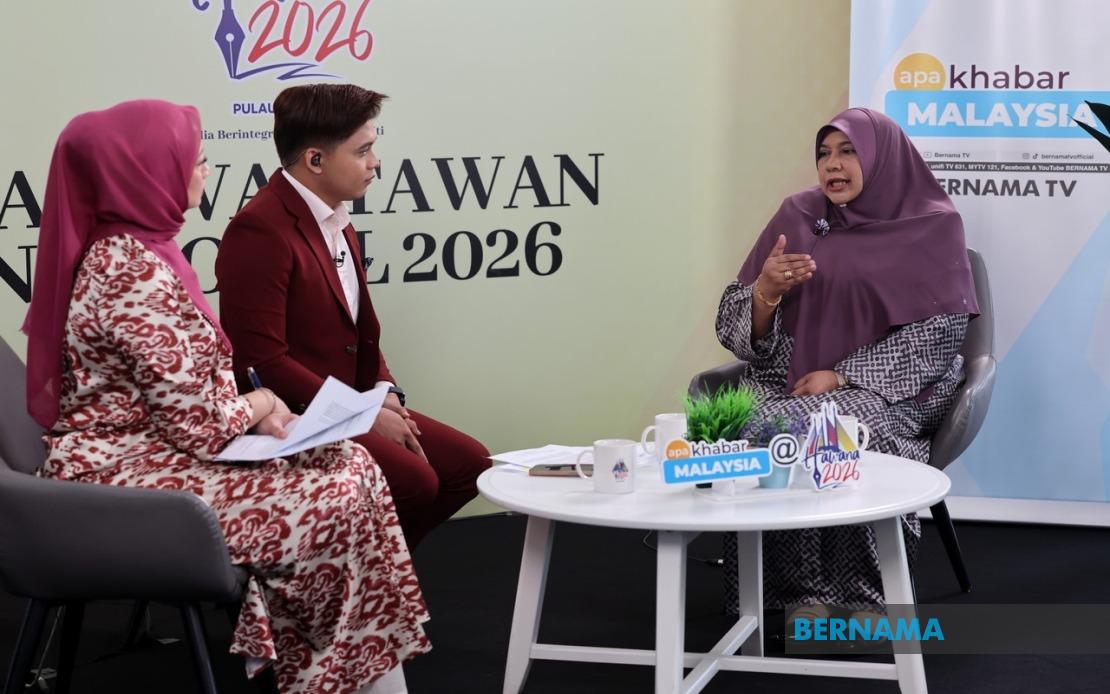
Penang emerges as the epicentre of Malaysia's media community tomorrow when the National Journalists' Day summit, known as HAWANA 2026, reaches its climax with Prime Minister Datuk Seri Anwar Ibrahim officiating proceedings at 3 pm. The gathering will unite roughly 1,000 media practitioners, both domestic and international, in a celebration of journalism's fundamental duty to disseminate information with unwavering integrity and trustworthiness. Under the theme "Media Integrity Strengthens Credibility", the event underscores the profession's commitment to maintaining public confidence during an era when misinformation and disinformation threaten democratic discourse across Southeast Asia.
The Penang summit represents a significant occasion for Malaysia's media establishment, attracting senior government figures including Penang Chief Minister Chow Kon Yeow, Communications Minister Datuk Fahmi Fadzil, and Communications Ministry secretary-general Datuk Abdul Halim Hamzah. The presence of Malaysian National News Agency (Bernama) leadership, headed by chairman Datuk Seri Wong Chun Wai and chief executive officer Datin Paduka Nur-ul Afida Kamaludin, alongside executives from major local media organisations, signals the event's importance in the country's media landscape. These gatherings serve as crucial touchstones for the industry to reassess its role and responsibilities amid rapidly evolving technological and political environments.
According to Nur-ul Afida, who chairs the HAWANA 2026 Working Committee, the summit transcends mere recognition of journalistic achievement. Rather, it functions as a vital networking platform where media professionals strengthen collegial bonds and expand their professional circles. She emphasised that HAWANA creates an opportunity for journalists to congregate, exchange ideas, and reinforce relationships that strengthen the broader media community. This emphasis on community-building reflects broader industry trends in Malaysia and the region, where collaborative frameworks help journalists combat the pressures of resource constraints and the competitive digital landscape.
The inclusion of side programming demonstrates the organisers' commitment to engaging the public directly with media practitioners. The RIUH Pi HAWANA Carnival, which commenced today at the PICCA Convention Centre, showcases a blend of entertainment and commercial participation that transforms the event beyond a professional conference. Featuring performances by local artists including Exists, Bunkface, Masdo, Sakura Band, Budak Nakal Hujung Simpang and Chelsea Ng, alongside twenty-four creative product brands and twenty food and beverage vendors, the carnival brings accessibility to conversations about media roles. Interactive workshops provide attendees with opportunities to understand journalistic practices firsthand, bridging the traditional distance between newsrooms and audiences.
During tomorrow's formal proceedings, Prime Minister Anwar Ibrahim will distribute contributions from Tabung Kasih@HAWANA to veteran journalists facing financial hardship, acknowledging the profession's human dimension often overshadowed by discussions of institutional responsibilities. The Prime Minister will additionally present awards to victors of the HAWANA-DBP Pantun Festival, held on May 9, thereby honouring Malaysia's cultural heritage through the traditional poetic form. The presentation of HAWANA Awards and HAWANA Special Awards to individuals who have significantly advanced journalism and public discourse reflects the summit's dual focus on individual achievement and collective professional development.
The partnership between the Ministry of Communications and MyCreative Venture, a government agency supporting creative industries, illustrates how policymakers increasingly view media engagement as intertwined with broader cultural objectives. This collaboration extends HAWANA beyond journalism's traditional boundaries into the creative economy, suggesting recognition that contemporary media practitioners operate within complex ecosystems encompassing digital platforms, entertainment, and cultural production. For Malaysian readers, this integration reflects the government's attempts to foster a vibrant creative sector alongside maintaining media credibility standards.
Live broadcasting of the summit across Bernama TV, with subsequent relay by RTM and TV AlHijrah, combined with distribution through social media platforms, ensures nationwide reach extending the summit's impact far beyond Penang's venues. This multimedia approach acknowledges that journalism's audiences increasingly consume news through fragmented channels, and that professional celebrations must similarly embrace diverse distribution mechanisms. The decision to broadcast proceedings demonstrates commitment to transparency and public engagement with media institutions, allowing citizens to witness industry dialogue directly rather than learning about it through secondary reporting.
HAWANA's annual observance on May 29 commemorates the inaugural publication of Utusan Melayu newspaper on that date in 1939, anchoring contemporary media celebrations in Malaysia's nationalist history. This historical grounding reminds practitioners that journalism's legitimacy derives partly from its role supporting the nation's development trajectory since independence. The consistency of annual celebrations over decades provides institutional continuity that stabilises the profession's identity amid technological disruption and competitive pressures from digital platforms and social media.
The summit's emphasis on integrity carries heightened significance for Malaysia's regional context. Southeast Asian democracies increasingly confront challenges from polarised information environments, where journalists navigate competing political factions, business interests, and state pressures. By centring discussions on credibility, the HAWANA 2026 summit positions Malaysian journalism as committed to professional standards that transcend immediate political or commercial pressures. This positioning matters particularly for international observers assessing press freedom and democratic health in the region, making visible Malaysia's investment in journalism's foundational principles.
Leading into the summit, HAWANA 2026 programming has included multiple engagement activities extending across weeks rather than compressed into a single event. The May 7 Media Forum, June 4 Strategic Partner Meeting, and June 14 Fun Walk all preceded tomorrow's culmination, creating an extended calendar that allows various stakeholder groups to participate according to their interests and availability. This distributed approach contrasts with more conventional single-day celebrations, suggesting the organisers recognise that meaningful professional discourse requires sustained engagement rather than momentary gathering.
The involvement of Bernama, Malaysia's national news agency, as implementing partner underscores state interest in professionalising media practices nationwide. While state involvement in media celebrations invites scrutiny regarding press independence, the summit's inclusive programming and emphasis on professional standards rather than political messaging suggests effort to create space where journalism's universal principles receive focus. For Malaysian media practitioners operating within complex political environments, such state-facilitated platforms offer rare opportunities to collectively affirm professional commitments while engaging government leadership on industry concerns.