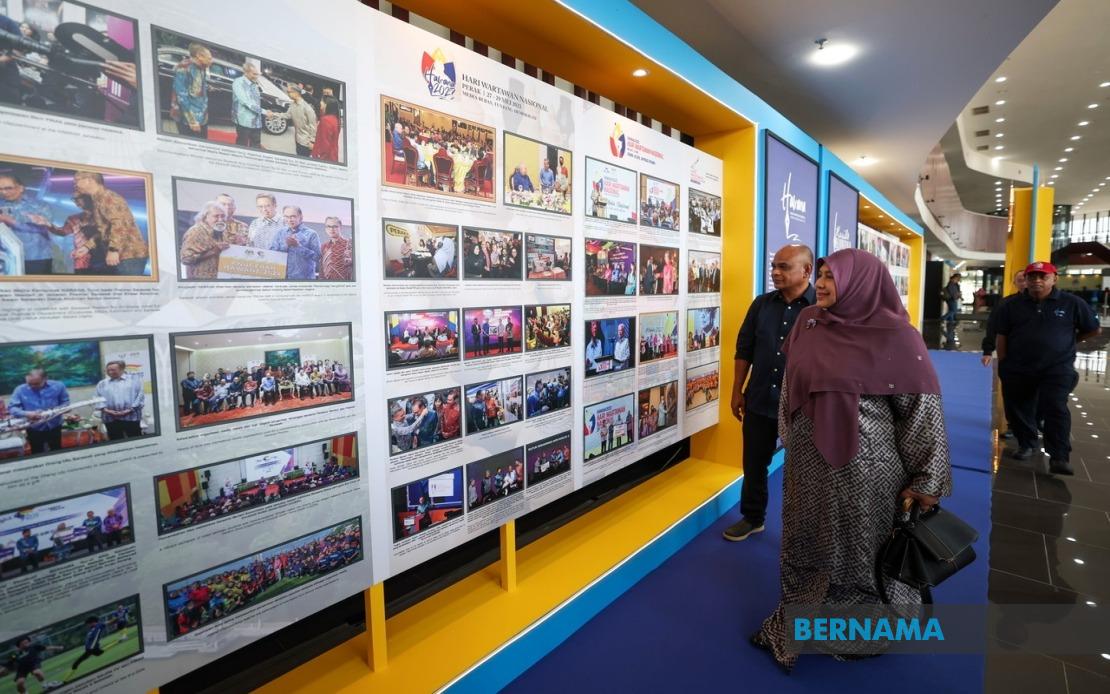
The National Journalists' Day summit HAWANA 2026 will formally commence in Penang tomorrow, marking a significant gathering for Malaysia's media community. Prime Minister Datuk Seri Anwar Ibrahim is scheduled to officiate the event at 3 pm at the PICCA@Arena Butterworth Convention Centre, elevating the occasion with his presence and underscoring the government's commitment to the journalism sector. The summit carries the thematic focus of 'Media Integrity Strengthens Credibility', positioning it as a crucial forum for discussing the standards and ethical foundations underpinning contemporary news gathering and dissemination across the region.
The Ministry of Communications has overseen the organisation of this flagship event, with the Malaysian National News Agency (Bernama) serving as the implementing body. This institutional arrangement reflects the event's status as the country's premier platform dedicated to honouring the contributions and professionalism of those working in media. Over the past three days, the working committee has been conducting intensive final preparations at the Butterworth venue, with rehearsals and logistical coordination reaching approximately 80 per cent completion by the time of inspection.
Bernama chief executive officer and HAWANA 2026 Working Committee chairman Datin Paduka Nur-ul Afida Kamaludin emphasised the comprehensive nature of planning required for hosting such a substantial gathering away from the traditional Kuala Lumpur location. The decision to shift the venue to Penang presented distinct logistical considerations that demanded meticulous coordination, particularly regarding accommodation and transport logistics across the state. Rather than treating these challenges as obstacles, the committee engaged directly with local hospitality providers and transport operators to devise solutions that would accommodate both the organising team and the anticipated media contingent.
The relocation to Penang represents a strategic choice for the event's evolution, though organisers acknowledge it will likely influence attendance patterns compared with previous iterations held in the capital. Nur-ul Afida noted that the geographical shift introduces practical barriers for some participants, as the greater accessibility and proximity of Kuala Lumpur typically encourages higher turnout. Professional commitments, scheduling conflicts, and competing responsibilities across Malaysia may prevent some journalists and media leaders from making the journey northward, a reality the organisers have candidly recognised in their planning assessments.
Despite these considerations, the summit is projected to attract approximately 1,000 media practitioners representing both Malaysian and international news organisations. This substantial attendance will establish HAWANA 2026 as a vital convergence point for industry dialogue and strategic consultation. The gathering serves as a dynamic platform where journalists, editors, broadcasters, and media management can collectively examine pressing issues in news production, ethical standards, and the role of media in contemporary society.
Complementing the main summit programme, a series of ancillary events have been scheduled in conjunction with HAWANA 2026. The Malaysian Media Council, the Federation of Malaysian Media Clubs (GKMM), and the Malaysian Press Institute (MPI) are each organising side sessions and discussions that will extend the intellectual scope of the summit. These parallel activities will enable deeper exploration of specialised topics and provide networking opportunities for professionals across different segments of the media ecosystem.
The broader significance of HAWANA extends beyond the immediate summit activities. Since its establishment, the event has functioned as a comprehensive recognition mechanism celebrating the professional standards, dedication, and contributions of journalists throughout Malaysia. It provides tangible acknowledgement of individuals and organisations advancing media excellence across print, broadcast, digital, and hybrid platforms. In an era marked by challenges to journalistic credibility globally, the emphasis on 'Media Integrity Strengthens Credibility' resonates particularly strongly, suggesting that professional standards and ethical practices remain central to public trust in news reporting.
For Malaysian readers and the broader Southeast Asian media landscape, this summit carries implications regarding regional journalism standards and cross-border dialogue on media challenges. The inclusion of international media practitioners signals openness to comparative perspectives on journalism practices, press freedom issues, and evolving business models in the news industry. Such international engagement can help Malaysian journalists remain connected to global professional standards while addressing locally specific challenges in media sustainability and editorial independence.
The Penang location itself carries subtle significance, as it situates the event in a region with distinct media consumption patterns and diverse linguistic and cultural demographics. Hosting the summit in Penang rather than the capital may facilitate greater participation from Northern Malaysian journalists and allow the event to demonstrate its commitment to inclusive national engagement. Furthermore, the choice reflects confidence in Penang's capacity to accommodate a substantial professional gathering, reinforcing the state's positioning as a secondary hub for national events outside the federal territories.
Organisers view the summit as an opportunity to generate strategic directions for Malaysian journalism in the coming years. The convergence of seasoned professionals, emerging voices in media, and thought leaders will facilitate the exchange of ideas regarding emerging technologies in news distribution, audience engagement strategies, and business model innovation. Such forums become increasingly valuable as the journalism industry navigates significant transitions in how news is produced, distributed, and consumed across multiple platforms.
The extensive preparatory work undertaken by the HAWANA 2026 Working Committee reflects the institutional seriousness with which the government and media organisations regard this biennial gathering. The investment in detailed logistical planning, rehearsal sessions, and stakeholder coordination demonstrates that the summit is not a ceremonial exercise but rather a substantive professional convocation. The near-completion of preparations suggests that participants can anticipate a well-organised experience that enables focused engagement on substantive issues.
As the summit approaches, the media community's attention will likely concentrate on specific announcements, awards, and policy discussions that emerge during the two-day gathering. Industry observers will monitor whether organisers announce new initiatives supporting journalism, introduce recognition programmes for excellence, or articulate strategic frameworks addressing contemporary challenges in media sustainability and audience trust. These outcomes will ultimately determine whether HAWANA 2026 succeeds in its stated objective of strengthening the foundations upon which media integrity rests.