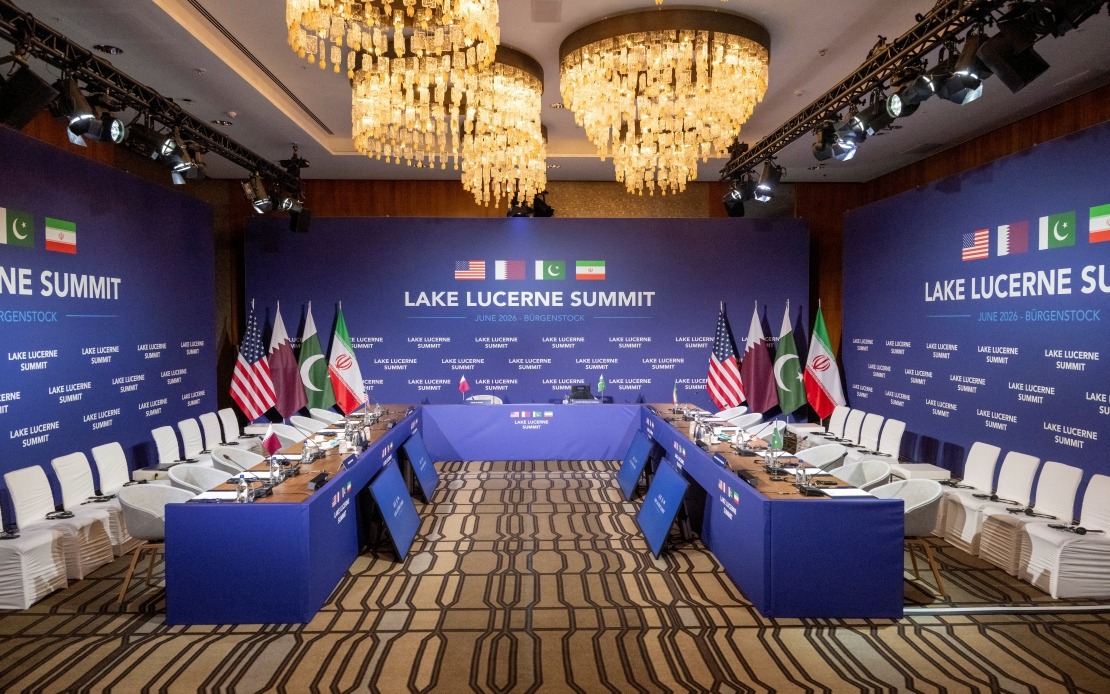
Diplomatic efforts to resolve longstanding tensions between Iran and the United States have entered a new operational phase, with negotiating teams establishing specialized working groups tasked with drafting the terms of a final settlement. The shift towards structured technical negotiations took place at the Burgenstock resort in Switzerland on Sunday, marking a critical juncture in talks aimed at producing a binding agreement within a 60-day timeframe. According to Qatari Foreign Ministry spokesperson Majed Al-Ansari, the formation of these technical-level groups signals genuine progress after preliminary discussions, with both Pakistan and Qatar playing crucial roles as neutral intermediaries.
The creation of dedicated working groups reflects a move away from high-level political discussions towards detailed substantive negotiations on specific issues. Each technical group has been assigned responsibility for particular dimensions of the prospective agreement, ensuring that negotiators can work methodically through complex clauses and implementation mechanisms. This compartmentalized approach is standard in protracted diplomatic processes, allowing experts in different fields—sanctions, nuclear verification, economic measures, and security arrangements—to develop coherent positions simultaneously rather than attempting to resolve everything in plenary sessions.
Critically, the negotiators have also established monitoring committees designed to track implementation progress and verify compliance with the memorandum of understanding that forms the foundation for these talks. These oversight bodies are tasked with ensuring transparency throughout negotiations and will later serve to assess whether parties are adhering to agreed terms once a final deal is concluded. The dual-track structure demonstrates that participants recognize the importance of building confidence through verifiable mechanisms, a particularly sensitive concern given the history of mistrust between Tehran and Washington.
Qatar and Pakistan's roles as mediators carry significant weight in this context. Qatar, as host nation and experienced diplomatic broker, provides neutral territory and institutional support, while Pakistan brings regional perspective and historical experience mediating between different powers. Their continued involvement suggests that neighboring states recognize the broader implications of an Iran-US rapprochement for regional stability, particularly given ongoing security challenges in the Persian Gulf and Central Asia.
The stated 60-day timeline creates urgent pressure on negotiating teams to resolve outstanding disagreements efficiently. This compressed schedule indicates that preliminary frameworks likely already exist in broad outline, with the technical groups now responsible for converting political commitments into legally binding language. Such timelines typically allow for multiple rounds of technical-level negotiation, with periodic escalation to higher-level officials for decisions on contested points.
For Southeast Asian observers, particularly Malaysia and other ASEAN nations, the Iran-US negotiations hold indirect but meaningful implications. Any agreement reducing tensions between Tehran and Washington could reshape Middle Eastern geopolitics, potentially affecting regional stability, energy markets, and security arrangements. Malaysia, with significant trade relationships throughout the Middle East and interests in maritime security, maintains diplomatic ties with both Iran and Western powers. A successful negotiation demonstrates that even profoundly adversarial parties can establish dialogue mechanisms and structured negotiations, offering potential models for resolving other regional disputes.
The emphasis by Al-Ansari on negotiating "in good faith" and pursuing a "comprehensive and sustainable agreement" underscores that participants understand the stakes involved. A final agreement cannot be merely a temporary ceasefire or interim arrangement; it must address the full spectrum of grievances and concerns accumulated over decades of confrontation. This explains why working groups must examine "all aspects" of the memorandum, leaving no significant issue unresolved that might later trigger renewed conflict.
The success of these technical negotiations will largely depend on whether lower-level experts can overcome domestic political constraints and find creative solutions to seemingly intractable problems. Negotiators often possess greater flexibility than politicians to explore novel arrangements, provided their governments have granted them adequate mandates. The establishment of working groups suggests that both sides have entrusted technical experts with meaningful authority to negotiate details and propose compromises.
The commencement of technical-level talks at Burgenstock represents a transition from exploratory diplomacy to institutional engagement. Rather than small delegations meeting informally, negotiators now operate within structured committees with defined mandates and timelines. This formalization indicates that preliminary discussions achieved sufficient common ground to justify committing resources to sustained negotiations. Conversely, the need for extensive technical groups also reflects the genuine complexity of crafting an agreement that addresses nuclear concerns, sanctions regimes, regional proxy conflicts, and international law simultaneously.
For Malaysia's foreign policy community, these developments merit close attention as part of broader Middle Eastern stabilization trends. The involvement of Pakistan and Qatar as mediators demonstrates how regional powers can contribute constructively to major international disputes. Similarly, the technical working group approach offers insights applicable to other diplomatic challenges, including ASEAN-related negotiations requiring specialized expertise and phased implementation structures.