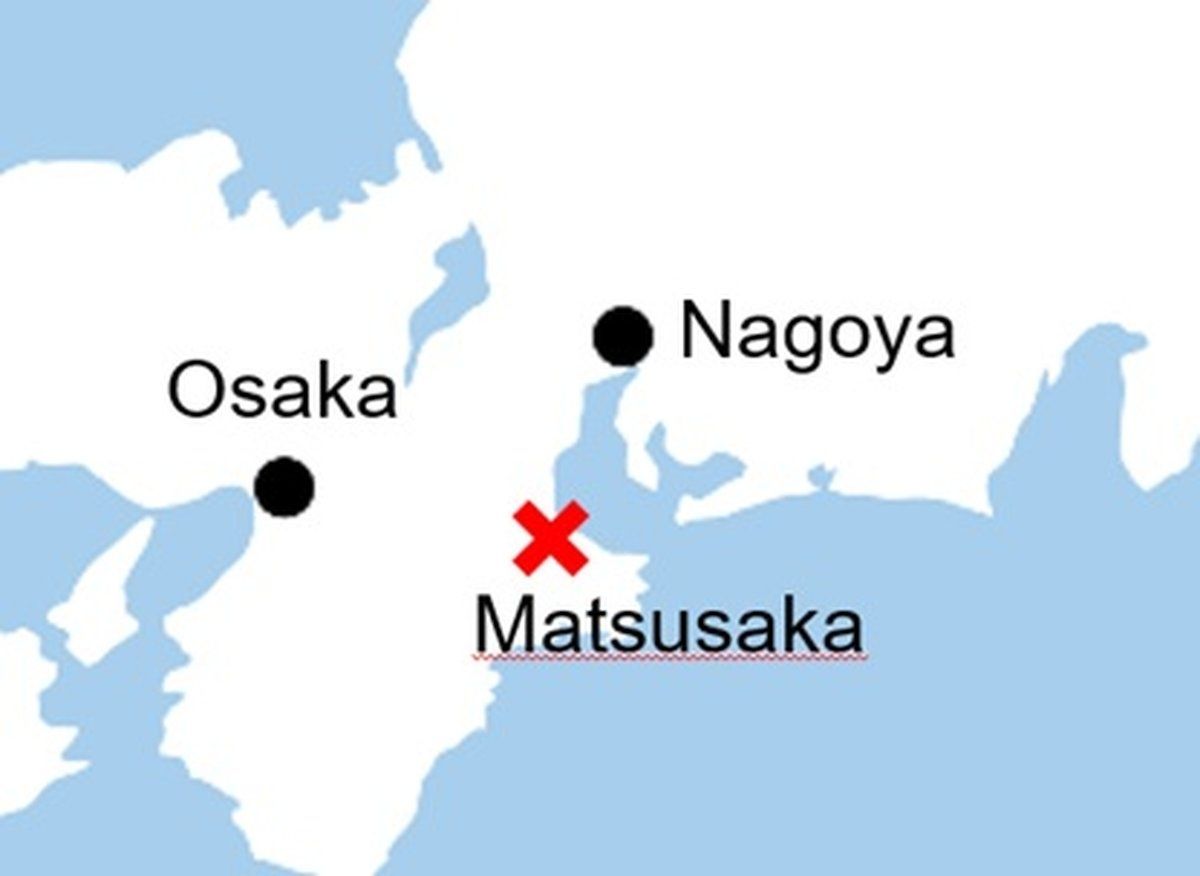
A 35-year-old resident of Matsusaka in Japan's Mie Prefecture was arrested on Thursday, June 18, following allegations that he confined his partner's five-year-old daughter inside a garbage container as a disciplinary measure, according to police reports. The suspect has acknowledged responsibility for the incident, marking another troubling case of child abuse within a household setting that raises serious questions about the boundaries of parental discipline and child welfare protections in Japan.
The alleged incident occurred on the evening of May 12 at the man's residence in Mie Prefecture. According to police investigations, the suspect transported the young girl to a garbage bin located at the property, placed her inside the container, and secured the lid, effectively trapping her in an enclosed space. This confinement lasted approximately five minutes before the child was removed. The timing of the alleged abuse—approximately 6.30pm—suggests the act occurred during typical evening household hours when such actions might occur away from public scrutiny.
What distinguishes this case is the suspect's stated justification for his actions. The man characterised the confinement as a form of discipline, a claim that fundamentally challenges prevailing understanding of acceptable child-rearing practices across Japan and internationally. This rationalisation represents a dangerous interpretation of parental authority and highlights the spectrum of abusive behaviours that perpetrators sometimes frame as legitimate corrective measures. Such justifications have become focal points in modern child protection debates, particularly regarding the psychological and physical harm inflicted under the guise of punishment.
Despite the alarming nature of the incident, medical assessments revealed that the girl sustained no physical injuries from her ordeal. However, the absence of visible physical harm does not diminish the psychological impact such traumatic experiences typically inflict on young children. The girl's confinement in a dark, enclosed space constitutes severe emotional abuse with potential long-term developmental consequences. Experts in child psychology consistently emphasise that traumatic incidents, even brief ones involving spatial confinement and loss of control, can trigger anxiety disorders and behavioural complications in young children that may persist into adulthood.
The discovery and reporting of this incident followed a delayed timeline that underscores vulnerabilities in child protection systems. The girl's situation came to the attention of a child welfare centre only on May 20, eight days after the incident occurred on May 12. This gap between the actual abuse and institutional awareness suggests that the child did not immediately disclose the incident to school officials, healthcare providers, or other mandatory reporters. Such delays in identification are not uncommon in cases involving young children who may lack the language skills or understanding to articulate their experiences clearly to adults outside the home environment.
Following notification from the child welfare centre, police launched their investigation and subsequently secured the man's confession. The relatively quick acknowledgment of guilt by the suspect facilitated the arrest process and eliminated prolonged investigative proceedings. His cooperative stance, however, does not mitigate the severity of the alleged offence or suggest any remorse beyond tactical admission of facts. The legal system will now determine appropriate charges and sentencing within Japan's framework for child abuse and confinement cases.
Further protective measures were implemented beyond the primary suspect's arrest. The girl's older sister has also been placed under the protective custody of the child welfare centre, indicating that concerns extend to the broader household environment and the wellbeing of all children residing there. This precautionary measure reflects standard protocols in child protection work, recognising that abusive households typically demonstrate patterns affecting multiple children and that removing vulnerable minors from potentially dangerous environments serves as essential safeguarding.
This case emerges within a broader context of ongoing concerns regarding child maltreatment in Japan, where several high-profile cases in recent years have prompted national discussions about strengthening child protection frameworks. The nation has implemented various legislative reforms and institutional developments aimed at improving mandatory reporting requirements, enhancing coordination between schools and welfare agencies, and establishing clearer definitions of acceptable disciplinary practices. Nevertheless, cases such as this one demonstrate persistent gaps in both prevention and early detection mechanisms.
The incident carries implications for Southeast Asian nations, including Malaysia, where similar cases of child abuse sometimes occur within complex household dynamics involving non-biological guardians or family members in positions of authority. The case illustrates how definitional ambiguity surrounding discipline versus abuse can enable perpetrators to exploit grey areas in legal frameworks and social understanding. Malaysian child protection advocates have consistently emphasised the need for unambiguous legislation that categorically prohibits any form of physical confinement, psychological humiliation, or emotional torment of children, regardless of stated disciplinary intent.