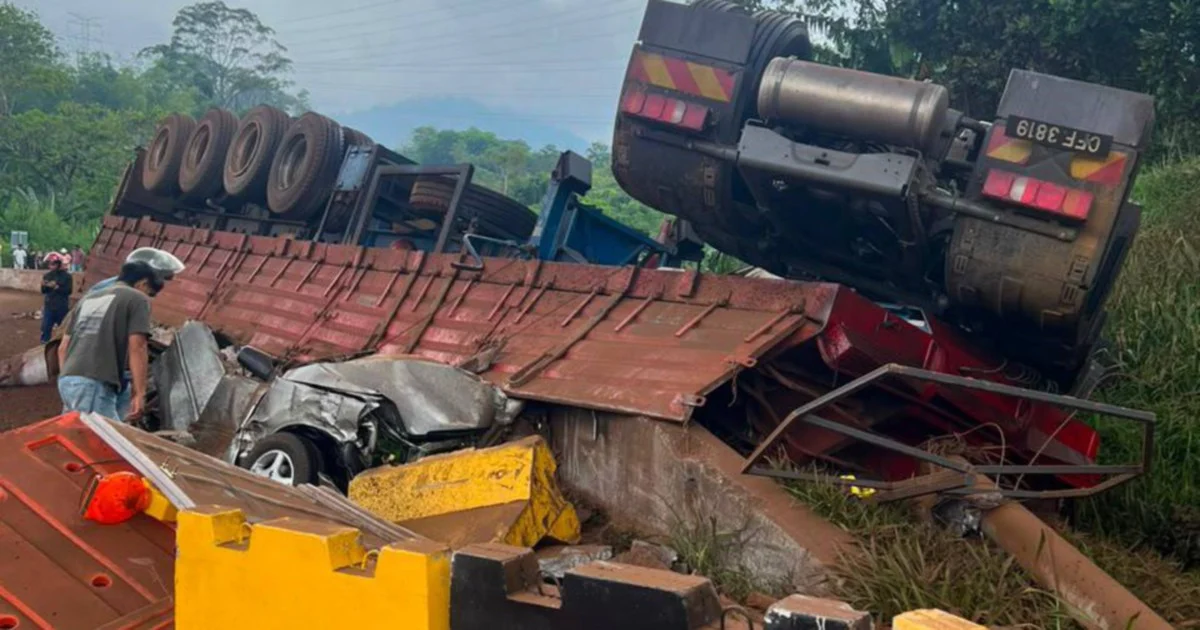
The driver of a trailer involved in a catastrophic collision on the Karak Expressway near Bentong has been freed on police bail as authorities intensify their investigation into what has been described as one of the region's deadliest recent road incidents. The crash on June 14 resulted in four deaths, sparking immediate concern among highway safety advocates and transport authorities across Malaysia about the adequacy of current safety protocols on major expressways.
Police procedures in Pekan confirmed the release of the driver pending further questioning and the compilation of prosecution evidence. The bail arrangement does not preclude the possibility of charges being filed once investigators have completed their forensic analysis and reconstructed the sequence of events leading to the collision. Officials stressed that the release represents a procedural step rather than any indication of guilt or innocence, with the investigative process continuing at full pace.
The incident has renewed focus on road safety conditions along the Karak Expressway, a crucial transport corridor connecting the east coast to the Klang Valley. This stretch of highway experiences substantial daily traffic volumes, including numerous heavy goods vehicles, making it a vital but potentially hazardous section for both commercial and private motorists. The June 14 collision has prompted transport ministry officials to review current speed limits, rest area facilities, and enforcement protocols along the route.
Trailer and articulated vehicle accidents carry particular severity due to the mass and momentum involved in these large commercial vehicles. Investigations into such incidents typically examine driver fatigue, vehicle maintenance records, weather conditions, and road surface quality. Specialists often identify multiple contributing factors rather than a single cause, creating complex liability questions that take months to resolve through police and legal channels.
The four fatalities represent a significant loss in a single collision incident, underscoring the catastrophic potential when heavy commercial vehicles encounter problems at expressway speeds. Families of the victims have reportedly requested that the investigation be thorough and transparent, seeking clear answers about how the tragedy occurred and whether any preventative measures might have mitigated the outcome.
Malaysia's road fatality statistics remain concerning by regional standards, with commercial vehicle incidents accounting for a disproportionate share of serious crashes. The Transport Ministry and Royal Malaysia Police have collaborated on various enforcement campaigns targeting overloaded vehicles, maintenance violations, and driver conduct, though experts argue that infrastructure investment and technology adoption remain underutilized in addressing systemic safety gaps.
The Bentong incident comes amid broader discussions about autonomous vehicle technology and advanced driver assistance systems as potential safety enhancements for commercial fleets. Several regional transport operators have begun pilot programmes with these systems, though adoption rates across Malaysia's trucking industry remain relatively low due to cost considerations and regulatory uncertainty.
Meanwhile, vehicle maintenance standards for heavy goods vehicles operating on Malaysian expressways remain an area requiring strengthened oversight. Investigators typically scrutinize brake conditions, tyre integrity, coupling mechanisms, and mechanical systems following fatal commercial vehicle incidents. Poor maintenance has been identified in numerous past cases as a contributing or primary causal factor, suggesting that enhanced inspection regimes and enforcement could yield meaningful safety improvements.
The bail arrangement allows the driver to return to his residence while cooperating with ongoing police investigations. Authorities have indicated that additional witness statements, traffic camera footage, and vehicle telemetry data will be analysed as part of the comprehensive inquiry. Such investigations typically require several months to complete, particularly when determining technical factors like vehicle speed, braking distance, and reaction time.
For the broader Malaysian transport sector, the Bentong crash serves as a reminder of the high-stakes environment in which commercial drivers operate daily. Industry bodies have advocated for improved training programmes, wellness monitoring initiatives, and fatigue management systems as complementary strategies to enforcement and infrastructure improvements. Regional cooperation on harmonized safety standards could also enhance protection for road users across Southeast Asia's increasingly integrated transport networks.
The investigation's outcome will likely influence policy discussions within the Transport Ministry regarding regulatory adjustments to commercial vehicle operations. Previous fatal incidents have prompted various amendments to vehicle standards, driver licensing requirements, and speed restrictions, establishing a pattern where catastrophic crashes generate incremental but meaningful improvements to the legal and regulatory framework governing road transport.