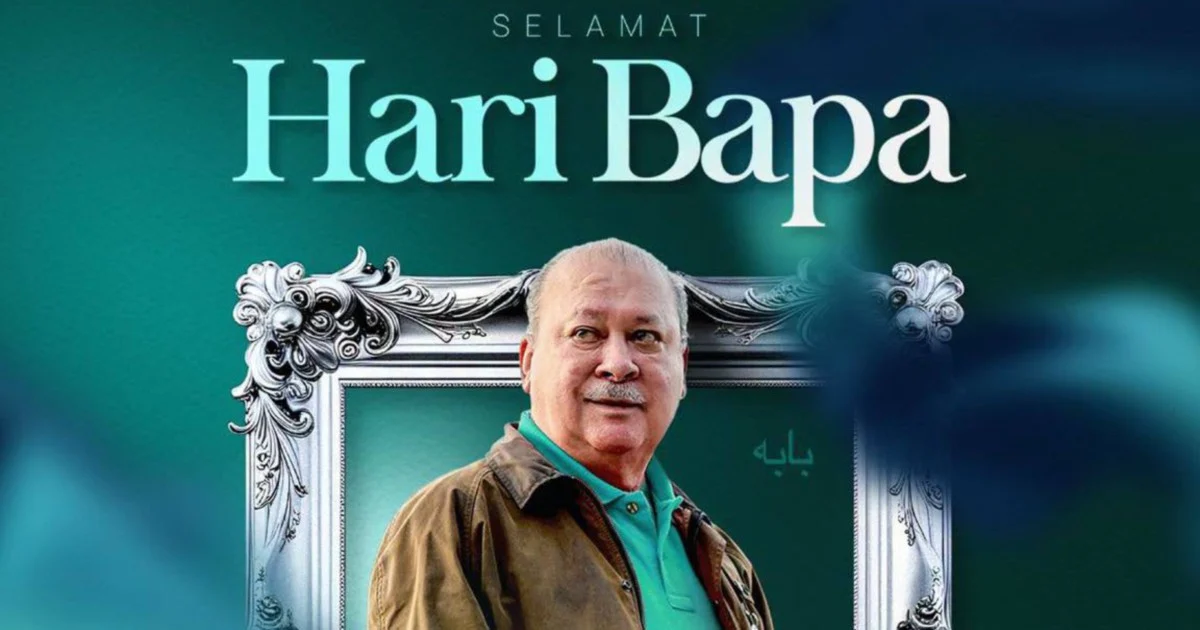
His Majesty Sultan Ibrahim, King of Malaysia, alongside Her Majesty Raja Zarith Sofiah, Queen of Malaysia, have marked Father's Day by extending heartfelt greetings to fathers across the country. The royal message underscores the monarchy's recognition of the vital role that paternal figures play within Malaysian families and society at large.
The gesture represents a continuation of the royal household's tradition of acknowledging significant national occasions and the contributions of important social segments to the nation's fabric. By publicly recognising fathers during this annual celebration, the sovereign and consort affirm the importance placed by the Crown on family values and the institution of fatherhood within Malaysian culture.
Father's Day celebrations across Malaysia have increasingly become occasions for public reflection on parental responsibilities and the evolving nature of fatherhood in contemporary society. The royal acknowledgement carries particular significance given Malaysia's emphasis on family-centred social structures and the prominence of paternal figures in traditional Malaysian communities.
The timing of such greetings typically coincides with the international Father's Day observance, though observance dates vary globally. Within Malaysia's multicultural context, the recognition of fathers transcends religious and ethnic boundaries, reflecting a shared value across the nation's diverse communities regarding parental commitment and family stability.
Royal messages during key calendar occasions serve as important platforms for reaffirming national values and priorities. Through such communications, the monarchy demonstrates alignment with the concerns and celebrations that resonate with ordinary Malaysians, thereby strengthening the symbolic connection between the Crown and the populace.
The recognition of fatherhood through official channels contributes to broader conversations about parental engagement in the country. As Malaysia navigates economic development and social change, maintaining focus on traditional family structures whilst adapting to contemporary realities remains a concern for both policymakers and the public sphere.
Fathers in Malaysia represent diverse demographic groups, from urban professionals to rural communities, each contributing uniquely to household stability and national productivity. The royal message encompasses this diversity whilst emphasising shared responsibilities that transcend socioeconomic boundaries.
The Queen's participation in extending such greetings highlights the role of the royal consort in reinforcing family-oriented messaging. Her Majesty Raja Zarith Sofiah's involvement demonstrates that recognition of paternal contributions extends across the entire royal institution.
In the broader Southeast Asian context, Malaysia's monarchy maintains a visible profile in cultural and social observances that define national identity. Such gestures position the Crown as actively engaged with the daily lives and meaningful occasions that structure Malaysian society.
The exchange of Father's Day greetings at the highest levels of government reflects commitment to values that Malaysian society considers foundational. Across different regions and states, similar recognition from regional leaders often accompanies the national observance, creating a nationwide acknowledgement of this important occasion.
As Malaysian society continues evolving, the meaning and expression of fatherhood adapt to reflect contemporary realities whilst honouring traditional understandings. Royal endorsement of paternal recognition helps legitimise ongoing conversations about modern parenting and the diverse ways that fathers contribute to their families and communities.
The simplicity and universality of Father's Day greetings should not obscure their significance within Malaysia's formal public discourse. When delivered from the highest offices, such messages carry weight beyond mere ceremonial courtesy, signalling institutional support for family values and the elevation of paternal roles within national consciousness.
Moving forward, continued royal engagement with family-centred occasions reinforces the message that the Crown views maternal and paternal contributions as central to national progress and social cohesion. The precedent set through such annual observances establishes a pattern whereby Malaysia's leadership visibly champions the families that form the foundation of the nation.