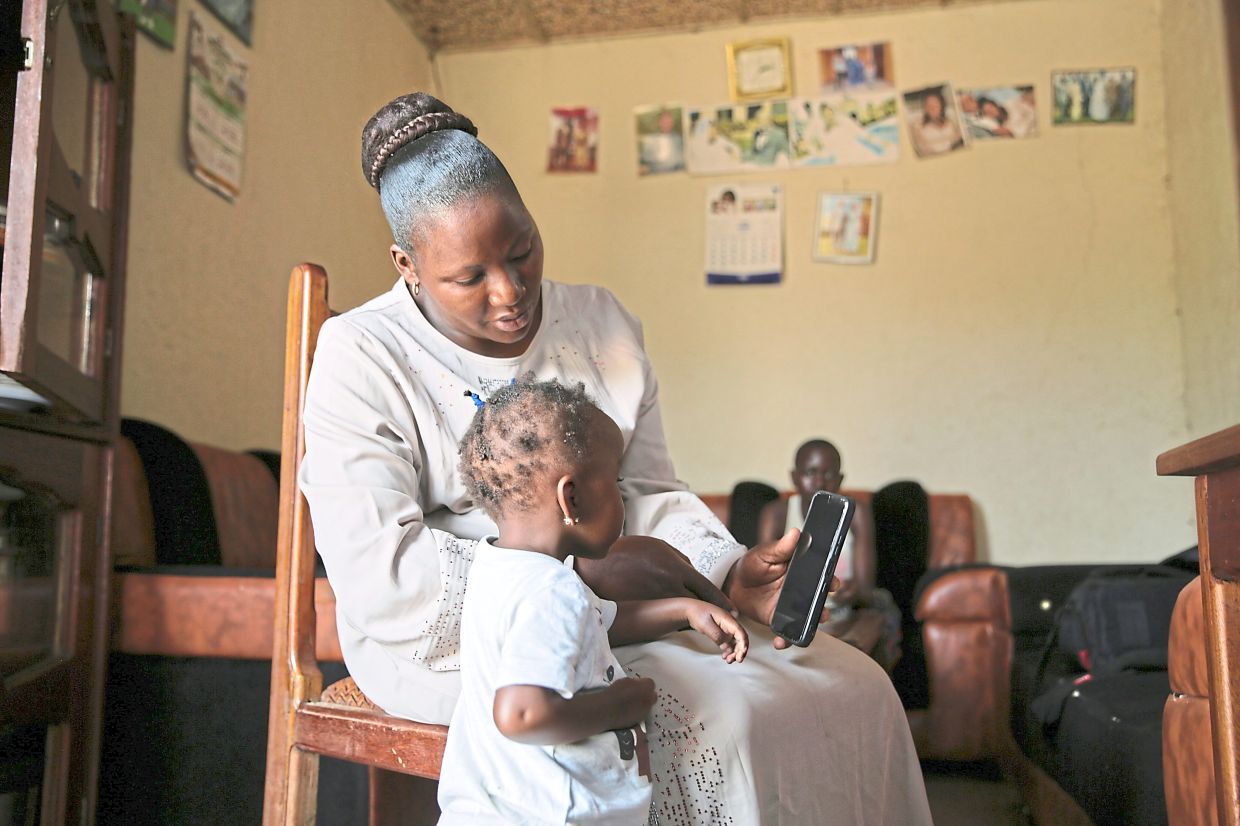
Vianney Kambale Kombi's recollections of Ebola pierce through years of survival. The resident of Beni, a thriving trading town nestled between Uganda and Rwanda in eastern Congo, witnessed firsthand how the second-largest Ebola outbreak in recorded history unfolded from 2018 to 2020, claiming more than 2,200 lives from over 3,400 confirmed cases. What haunts him most is not merely the virus itself, but the environment of denial, fear and cultural misunderstanding that allowed it to spread with devastating speed through his community.
When Kombi contracted the virus after exposure to infected individuals, he discovered that his neighbours operated from a fundamentally different framework of understanding disease. The prevailing belief in parts of Beni was that Ebola represented witchcraft rather than a viral infection. This spiritual interpretation of the outbreak created a dangerous void where scientific explanations and public health messaging could not gain traction. Without acceptance that the disease was real, without confidence that recovery was possible, community members actively resisted the very interventions designed to save their lives.
The complexity of mistrust during the 2018-2020 outbreak extended far beyond simple superstition. Bienfait Wanzire, another survivor from that period, articulates how political context poisoned the health response. In a nation accustomed to viewing crises through a lens of governance and power, the simultaneous occurrence of election campaigns created competing narratives about the outbreak's origins and purpose. Some community members interpreted Ebola as a political tool, while others saw it as a spiritual affliction. These alternative framings directly competed with and undermined the public health narrative that might have motivated protective behaviours.
The consequences for frontline healthcare workers were severe. Dr Babah Mutuza Lusungu, a physician at Dieu Est Grand Medical Centre in Beni, personally lost his uncle and two colleagues while battling not only the virus but also community scepticism about whether the outbreak was genuine. The physician describes an environment saturated with mistrust that corroded relationships between the population, government authorities, international health partners, and medical professionals. When those charged with providing care are viewed with suspicion, their ability to gather information, monitor cases and implement quarantine measures becomes substantially compromised.
Youth disengagement represents another critical gap that Dr Lusungu identifies from the 2018-2020 response. Young people, who often serve as trusted community leaders and sources of information within their peer groups, were largely excluded from formal response structures. By the time authorities mobilized youth-driven messaging and education efforts, significant transmission chains had already established themselves. The physician emphasizes that waiting until case numbers spiral dangerously high before activating community leaders guarantees missing the early intervention window when outbreaks remain most containable.
The psychological and social aftermath of Ebola survival created secondary crises that persisted long after viral recovery. Esperance Masinda, who worked for the UN children's agency in Beni, contracted Ebola while caring for her husband, a medical doctor, during the outbreak. Both ultimately recovered with the assistance of vaccines, yet reintegration into normal community life presented unexpected obstacles. Survivors encountered neighbours and acquaintances who had absorbed false narratives about Ebola medications and their long-term effects. Some community members believed that survivors would inevitably die within five years, rendering them social pariahs despite their biological recovery.
The experience of Kombi exemplifies this reintegration challenge. His neighbours initially rejected him upon his return to the community, unable to reconcile their preconceptions about Ebola with the evidence of his survival. The psychological burden of being simultaneously a living triumph over a deadly virus and a source of fear or spiritual contamination to those around him reflected the depth of cultural and informational divides. What made recovery medically possible—vaccination—became a social liability in contexts where vaccine hesitancy and conspiracy theories had taken root.
Currently, Congo faces a fresh Ebola crisis caused by the rare Bundibugyo virus strain, with 550 confirmed cases, 101 deaths, and 19 recoveries documented as of early June. Critically, this newer outbreak occurs without the protective infrastructure of an approved vaccine, a circumstance that amplifies the relevance of lessons from 2018-2020. The mistakes that characterized the previous outbreak—insufficient community engagement, inadequate early-stage response mechanisms, failure to mobilize trusted local voices—threaten to repeat themselves in a more vulnerable context.
For Malaysia and Southeast Asian nations, the Congo experience offers crucial insights into how infectious disease responses cannot succeed through medical and epidemiological expertise alone. The region's diverse populations, varying levels of health literacy, and complex relationships with authority require tailored communication strategies that acknowledge local belief systems rather than dismissing them. Effective outbreak response demands genuine partnership with community leaders, youth networks, and trusted voices before crisis strikes.
The survivors' testimonies underscore that rebuilding trust after an outbreak remains extraordinarily difficult. Masinda observes that only through sustained presence, transparent communication, and genuine respect for affected communities can the stigma gradually dissolve. The transition from viewing Ebola survivors with suspicion to recognizing them as neighbours and fellow humans reflects the deeper transformation required: shifting from a transactional public health approach to one rooted in community solidarity and mutual humanity.
Looking forward, the Democratic Republic of Congo and the international health community face urgent decisions about responding to the current Bundibugyo outbreak. The survivors' voices from 2018-2020 constitute not merely historical documentation but actionable intelligence for preventing the compounding tragedy of repeating failures. Effective response requires pre-positioning community educators, establishing credible local information channels, and demonstrating genuine commitment to affected populations before trust erodes entirely—lessons that resonate equally for health security across Africa and globally.

%22%2F%3E%3C%2Fpattern%3E%3C%2Fdefs%3E%3Crect%20width%3D%22100%25%22%20height%3D%22100%25%22%20fill%3D%22url(%23ph4dnbsg)%22%2F%3E%3Crect%20width%3D%22100%25%22%20height%3D%22100%25%22%20fill%3D%22url(%23ph4dnbsp)%22%2F%3E%3Ctext%20x%3D%2250%25%22%20y%3D%2250%25%22%20text-anchor%3D%22middle%22%20dominant-baseline%3D%22central%22%20fill%3D%22rgba(255%2C255%2C255%2C0.95)%22%20font-family%3D%22Georgia%2C%20'Times%20New%20Roman'%2C%20serif%22%20font-weight%3D%22700%22%20font-size%3D%22170%22%20letter-spacing%3D%22-0.02em%22%3EMalaysia%3C%2Ftext%3E%3C%2Fsvg%3E)