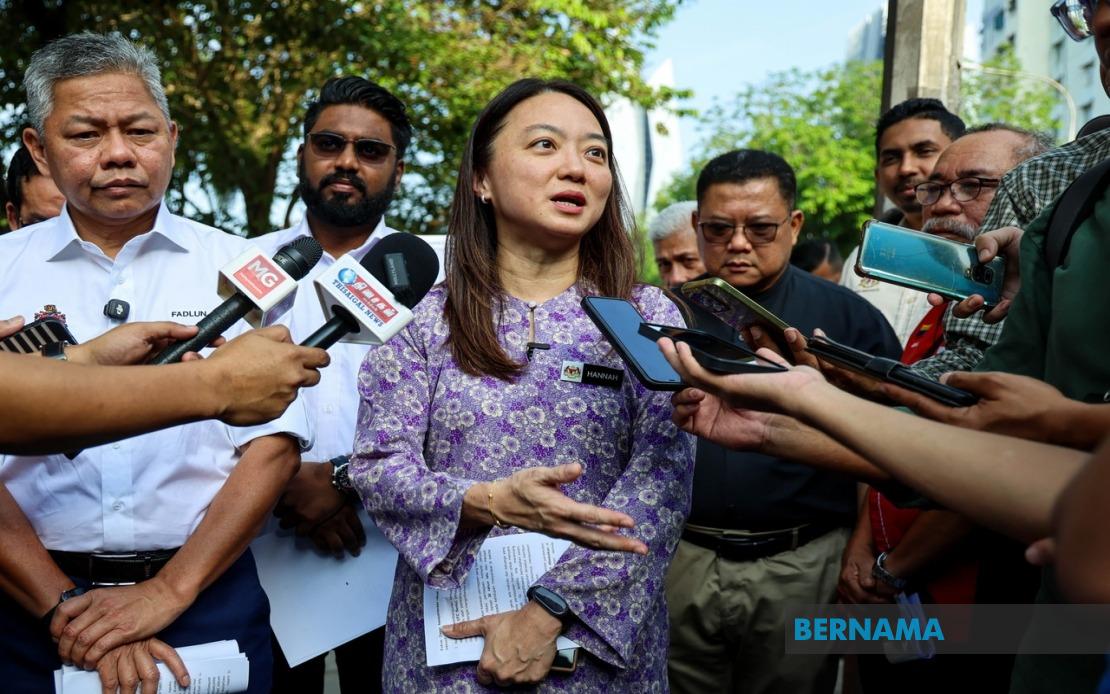
Malaysia's Federal Territories Minister Hannah Yeoh has issued a firm call for local authorities nationwide to take greater ownership of public facility maintenance, moving away from a reactive approach that only addresses problems after they gain traction on social media. Speaking following an inspection of a hawker facilities upgrading project near the Urban Transformation Centre in Sentul, Yeoh emphasised that basic housekeeping and facility upkeep must become a continuous, proactive practice rather than a sporadic response to online complaints.
The minister's remarks come in response to recent social media outcry regarding damaged public infrastructure in Putrajaya, including malfunctioning lifts and escalators that prompted widespread criticism from residents and visitors. While Putrajaya Corporation has already initiated repair works following intervention from Yeoh's ministry, the incident has highlighted a broader systemic issue affecting Malaysia's local government bodies. Putrajaya, as the nation's administrative capital and a significant tourism destination, holds particular symbolic importance; maintenance failures there can undermine confidence in government efficiency and affect the country's international image.
Yeoh stressed that there is no valid excuse for neglecting cleanliness and safety standards, even when larger infrastructure rehabilitation projects may require additional budget allocations. The distinction she drew is crucial: while substantial upgrades and capital improvements might depend on funding availability, the fundamental responsibility to keep public spaces clean and safe should remain non-negotiable and resource-constrained excuses are insufficient. This reflects growing frustration among Malaysian policymakers with the inconsistency in service delivery across different local authorities, many of which struggle with budgeting, staffing, and administrative capacity.
The minister's directive for more frequent site visits and ground-level inspections signals an expectation that local authority leadership must demonstrate visible commitment to maintenance oversight. This hands-on approach contrasts with the bureaucratic distance that sometimes characterises governance of public facilities, where problems fester until external pressure forces action. For Malaysia's tourism sector, which depends significantly on visitor experience and perception, such lapses in facility maintenance pose real economic risks. Tourists who encounter broken lifts, dirty public areas, or unsafe conditions form negative impressions that spread through online reviews and social platforms, potentially deterring future visits and damaging Malaysia's competitive position in the regional tourism market.
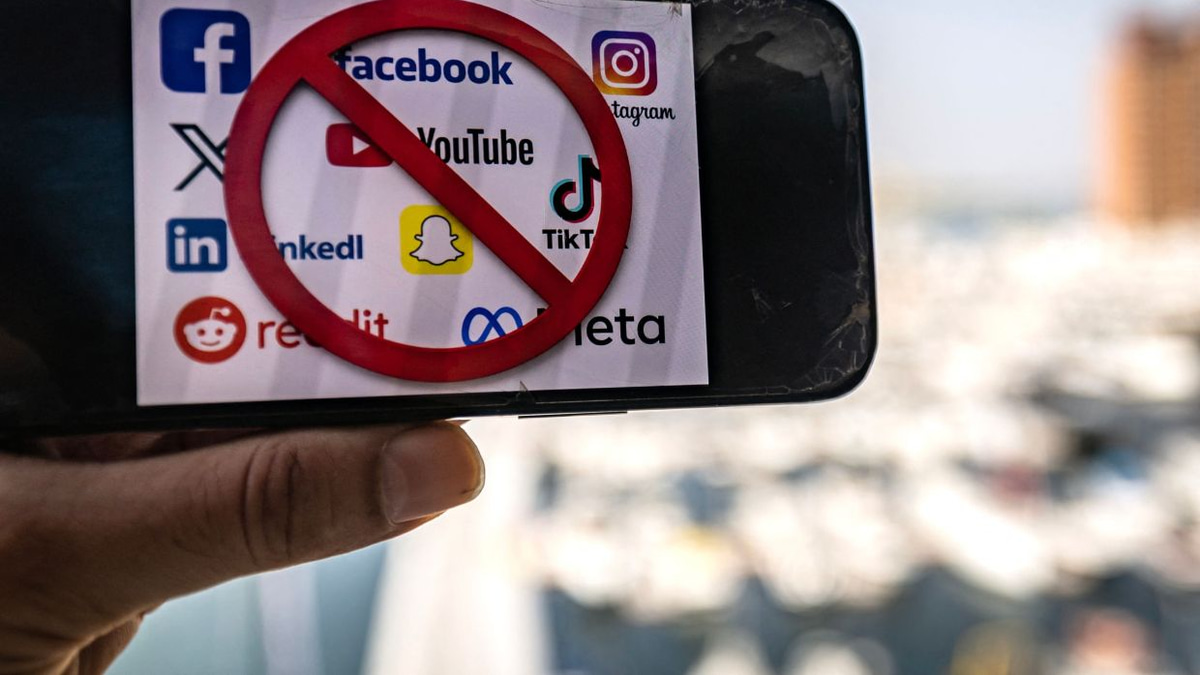
Beyond the immediate infrastructure concerns, Yeoh also addressed the role of social media in amplifying—and sometimes distorting—public complaints. She cautioned netizens to exercise greater discernment when evaluating and sharing videos or reports about civic problems, noting that online content often presents only a partial picture of complex situations. Her point reflects legitimate concern about misinformation and sensationalism on social platforms, where incomplete information can rapidly go viral and shape public opinion disproportionately. The minister's observation that videos may represent only 10 per cent of the actual situation underscores the risk that single-angle footage, recorded without context or follow-up, can misrepresent the severity or nature of problems.
This tension between accountability and responsible communication reveals deeper challenges in Malaysia's governance ecosystem. While transparency and public scrutiny are essential checks on institutional performance, the speed and reach of social media can overwhelm local authorities' capacity to respond systematically. When a maintenance issue becomes a viral sensation overnight, rapid-response repair work, however well-intentioned, may be perceived as damage control rather than genuine commitment to standards. Conversely, if authorities appear slow to react to online criticism, they risk accusations of indifference or incompetence.
For Malaysian local authorities, the message is clear: the onus lies with them to establish and maintain high standards consistently, independent of social media pressure. This requires adequate resourcing, professional training, clear accountability mechanisms, and regular inspections. It also demands that leadership be visible and engaged, conducting frequent ground visits to identify and address problems before they deteriorate. The performance of Putrajaya Corporation in responding to recent complaints, while commendable, should be the baseline expectation rather than an exception worthy of praise.
The implications extend beyond Putrajaya to all Malaysian municipal corporations and local councils managing public spaces. From hawker centres and public transport terminals to parks, toilets, and civic buildings, the standard of maintenance affects daily quality of life for Malaysians and shapes perceptions of government competence. As Malaysia continues to develop and urbanise, with rising expectations among increasingly connected and informed populations, maintaining public facilities to acceptable standards becomes not merely a logistical challenge but a matter of governance legitimacy.
Yeoh's emphasis on proactive rather than reactive maintenance also reflects broader administrative philosophy: prevention is more efficient and cost-effective than crisis management. A systematic approach to facility upkeep, with scheduled inspections and preventive repairs, typically costs less in the long run than allowing deterioration until expensive emergency interventions become necessary. Yet many local authorities in Malaysia lack the institutional discipline or resources to implement such systems effectively, particularly in smaller municipalities or less affluent areas.
Moving forward, the challenge for Malaysia's local government sector will be translating ministerial exhortations into sustained operational change. This requires not only top-down directives but also investment in local government capacity, clearer performance metrics, and consequences for persistent failures. It may also demand greater transparency in how local authorities allocate budgets to maintenance versus other priorities, allowing public understanding of constraints and trade-offs. For citizens, the balance lies between holding authorities accountable through legitimate channels while recognising that constructive criticism, shared with complete information, proves more effective than viral outrage in driving lasting improvements.