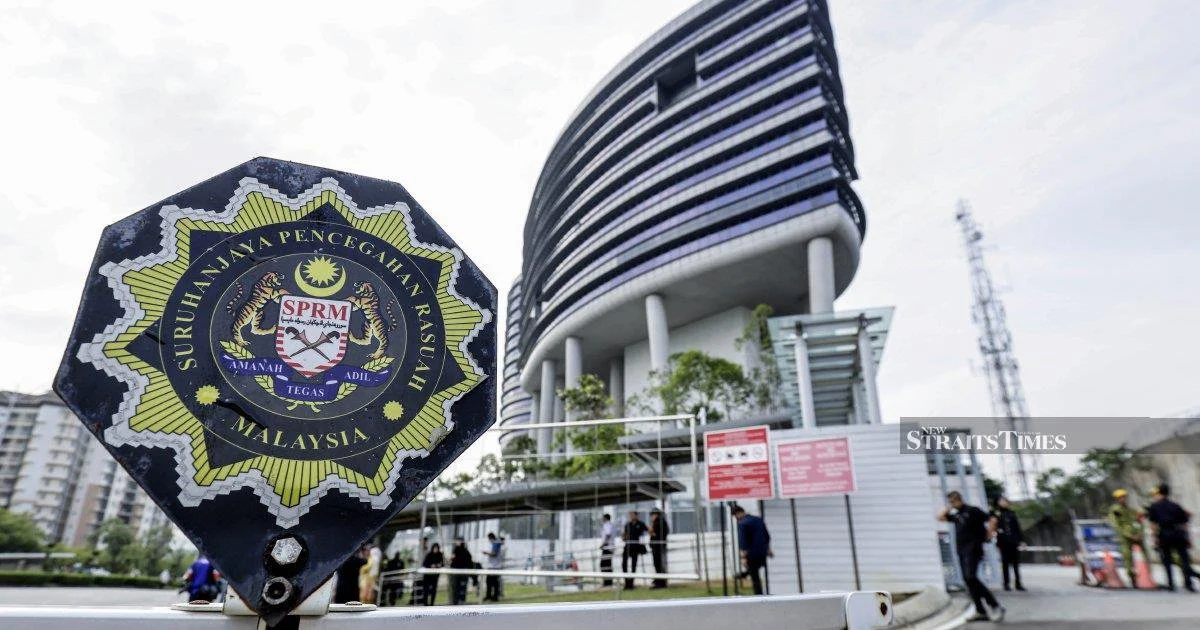
Authorities have advanced a major corruption investigation into its prosecutorial phase, with the Malaysian Anti-Corruption Commission preparing to lodge 158 separate charges against one individual at Shah Alam Sessions Court. The action represents a substantial escalation in Operation Sutra, an anti-graft initiative that has zeroed in on the diversion of government resources.
The sheer volume of alleged offences—158 counts—underscores the breadth of the suspected misconduct under investigation. Each charge typically corresponds to a distinct instance of wrongdoing, suggesting the accused either engaged in repeated breaches of fiduciary duty or orchestrated a sprawling scheme across multiple transactions or periods. The concentration of charges against a single person indicates investigators may have determined this individual occupied a pivotal position within the suspected network of abuse.
Operation Sutra itself represents a concerted effort by Malaysia's graft-fighting body to pursue high-impact cases involving the improper handling of public money. Such operations signal institutional commitment to tackling systemic corruption, which remains a persistent challenge to governance and public trust in Southeast Asia. The specificity of charges under this banner demonstrates that Malaysian authorities are moving beyond preliminary investigations toward formal court proceedings.
The forthcoming court appearance at Shah Alam Sessions Court marks a critical juncture where allegations transition from investigative findings to formal legal contestation. This venue, located in Selangor, handles a significant portion of major criminal cases in the Klang Valley region. The choice to prosecute in a sessions court rather than defer to a higher tribunal suggests the charges, while numerous, fall within the court's jurisdictional parameters regarding quantum and nature of offences.
For Malaysian citizens and the business community, such prosecutions carry implications extending beyond the individual defendant. High-profile corruption cases reinforce or erode public confidence depending on their perceived rigor and fairness. When authorities demonstrate capacity to pursue complex, multi-count investigations to courtroom resolution, the deterrent effect on potential wrongdoers—whether in government, procurement, or state enterprise sectors—potentially strengthens. Conversely, if cases founder or yield light sentences, the signal effect weakens.
The structure of public funds misappropriation cases typically involves proving that an official or agent with access to government monies diverted those resources to unauthorized purposes. Whether the alleged conduct involved falsified documentation, ghost contracts, inflated invoices, or direct embezzlement remains to be detailed in court filings. The complexity multiplies across 158 instances, requiring prosecutors to marshal documentary evidence, financial records, and potentially witness testimony to establish each alleged breach.
Regional observers note that Malaysia's MACC has progressively strengthened its prosecutorial track record over recent years, though conviction rates and sentencing patterns remain subjects of ongoing scrutiny. Operation Sutra appears consistent with institutional efforts to pursue large-scale cases that capture public attention and demonstrate proactive enforcement. The operation's name itself—whether derived from specific terminology or institutional nomenclature—suggests a focused investigative campaign rather than ad hoc case development.
The defendant's position within the implicated machinery will likely emerge through court disclosure and media coverage in coming months. Whether the accused held ministerial office, permanent secretary status, agency head rank, or occupied a technical or procurement-related position fundamentally shapes the case's political and administrative resonance. Each tier carries distinct implications for institutional accountability and reform discussions.
The timing and momentum of such charges also merit consideration within Malaysia's broader governance landscape. Successive administrations have pledged anti-corruption credentials, and the MACC's prosecution calendar influences perceptions of these commitments. Notable prosecutions of high-ranking figures or administrators whose misconduct harmed government revenues attract particular scrutiny from civil society organizations, international observers, and the electorate.
Defense strategies in multi-count corruption cases frequently challenge the sufficiency of evidence on individual counts, contest the characterization of conduct as criminal rather than administrative error, or explore whether procedural breaches compromised investigations. The upcoming court proceedings will thus reveal not only prosecutorial argument but also the legal frameworks and evidentiary standards courts apply when adjudicating public sector misconduct allegations.
For Southeast Asian governments grappling with similar governance challenges, Malaysian developments carry instructive value. The progression from investigation through formal charging demonstrates institutional capacity, though outcomes will ultimately depend on judicial deliberation. Public accountability mechanisms strengthened through visible enforcement contribute to the legitimacy and effectiveness of anticorruption frameworks that remain essential to regional development and investor confidence.