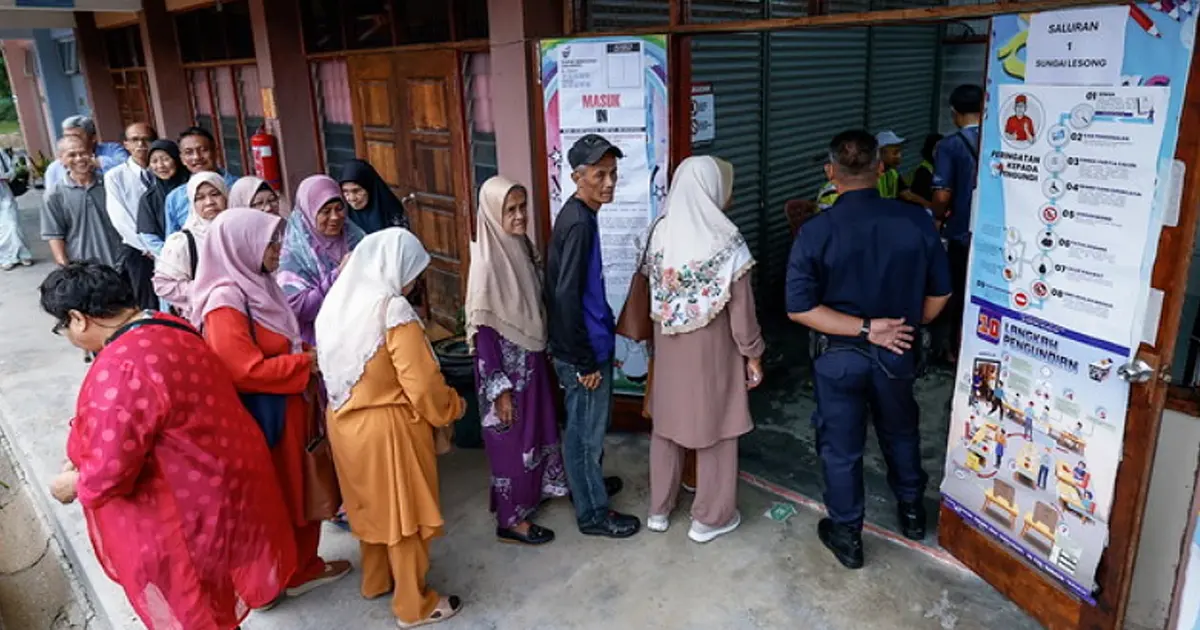
Political parties face mounting pressure to shift focus away from divisive identity issues towards bread-and-butter concerns, according to Awang Azman Pawi of Universiti Malaya, who cautions that persistent debate around the 3Rs could trigger emotional fatigue among Malay voters ahead of crucial electoral contests.
The accumulating toll of repeated controversies centred on race, religion and royalty—the so-called 3Rs—risks exhausting an already politically engaged electorate, Awang Azman suggests. This phenomenon extends beyond simple disengagement; voters may experience genuine psychological weariness from confrontations that touch on identity and cultural sensitivities. When voters encounter constant mobilisation around these themes without tangible policy outcomes, credibility erodes rapidly, leaving openings for parties that pivot toward delivering concrete solutions.
The analyst's assessment carries significant implications for Malaysia's political landscape, where Malay-Muslim voters constitute the nation's largest demographic bloc. Any fatigue in this voter segment could reshape electoral dynamics, with consequences reverberating through federal and state parliaments. Parties that recognise and respond to this sentiment early may gain decisive advantages, particularly in the critical years approaching the next general election.
Awang Azman emphasises that contemporary voters, especially those in Malay communities, increasingly demand substantive performance from their political representatives. The era when single-issue mobilisation could sustain political movements appears to be waning, replaced by a more demanding electorate that measures parties against material outcomes. This shift reflects broader changes in voter sophistication and expectations across the region.
The escalating cost of living has emerged as the dominant concern across Malaysian households, transcending ethnic and religious boundaries. Whether households can afford reliable childcare, send children to quality schools, or purchase homes without intergenerational debt fundamentally shapes electoral behaviour. When voters struggle with these tangible anxieties daily, abstract ideological debates feel increasingly remote and irrelevant to their immediate circumstances. Parties that acknowledge this reality and present credible solutions are better positioned to secure electoral mandates.
Awang Azman's analysis suggests that future electoral contests will pivot decisively toward economic competence and governance effectiveness. Parties demonstrating concrete achievements in inflation management, wage growth, affordable housing and essential services will likely command voter enthusiasm. Conversely, those perceived as recycling familiar 3R narratives without addressing economic fundamentals risk being marginalised or punished at polling stations. This represents a fundamental recalibration of how Malaysian voters evaluate political choices.
The warning also reflects a broader Southeast Asian pattern. Across the region, voters increasingly demand government performance metrics over cultural or ideological appeals. Thailand's recent electoral shifts demonstrated voter appetite for anti-corruption pledges and economic reform platforms. Indonesia's elections have shown growing voter preference for candidates promising improved infrastructure and service delivery. Malaysia's trajectory aligns with these regional trends, suggesting that parties ignoring economic priorities do so at considerable electoral risk.
For governing coalitions, this creates both opportunity and danger. Parties that have governed and delivered measurable improvements in living standards possess tangible campaign material. However, those struggling with implementation or presiding over economic deterioration cannot rely on identity-based mobilisation to overcome public dissatisfaction. The political centre of gravity shifts decisively toward performance-based evaluation and away from symbolic or cultural positioning.
The emotional fatigue phenomenon also suggests important generational dynamics. Younger Malay voters, who have grown up navigating plural Malaysia and digital-age information flows, may respond differently to 3R mobilisation than earlier cohorts. Their political consciousness formed during economic stress, educational competition and technological disruption—conditions that prioritise pragmatic problem-solving over historical grievance narratives. Understanding these generational shifts becomes critical for parties seeking sustained electoral relevance.
Awang Azman's analysis implies that the political landscape is entering a transitional phase where traditional mobilisation strategies face diminishing returns. The cumulative weight of repeated 3R controversies, without corresponding delivery on voter priorities, creates psychological and political costs. Voters simply tire of being mobilised around the same issues without experiencing improvements in their lived reality. This exhaustion potentially creates space for political alternatives and realignments.
Moving forward, Malaysian political parties must demonstrate they understand voter fatigue while remaining responsive to legitimate cultural and religious concerns. The challenge lies in transcending polarising narratives while respecting community values and identities. Parties that successfully navigate this terrain—addressing economic anxiety while acknowledging cultural sensitivities—will likely command political advantage in coming contests. Those unable or unwilling to make this transition face increasing voter alienation and electoral vulnerability.