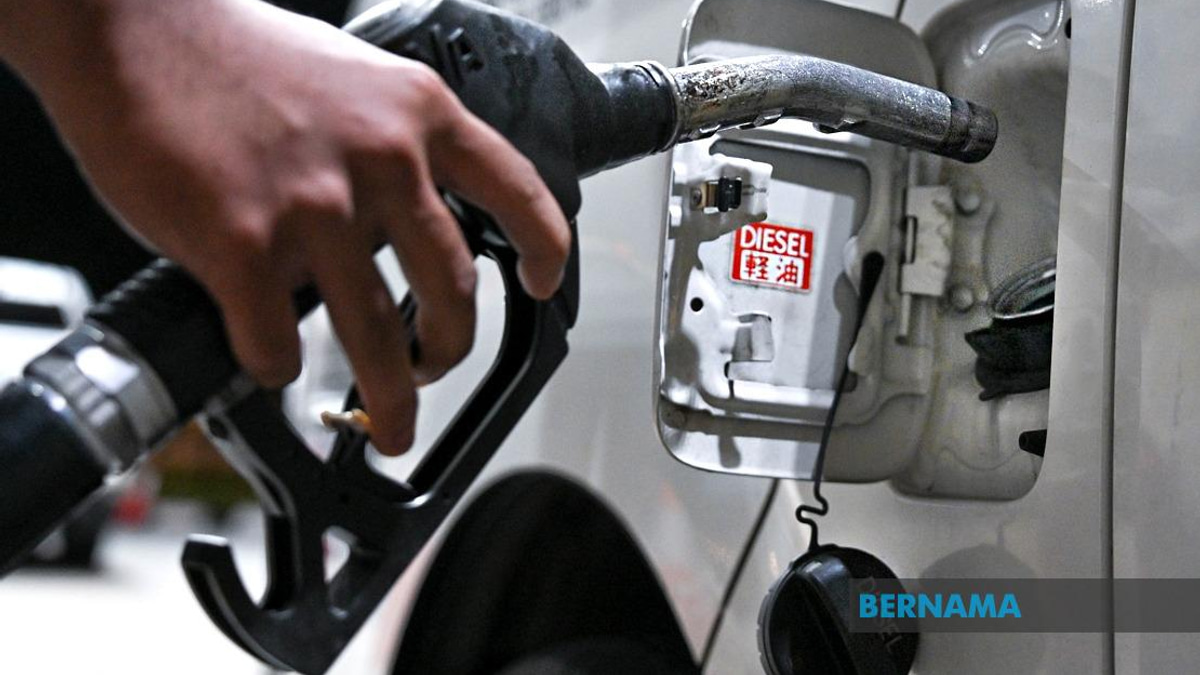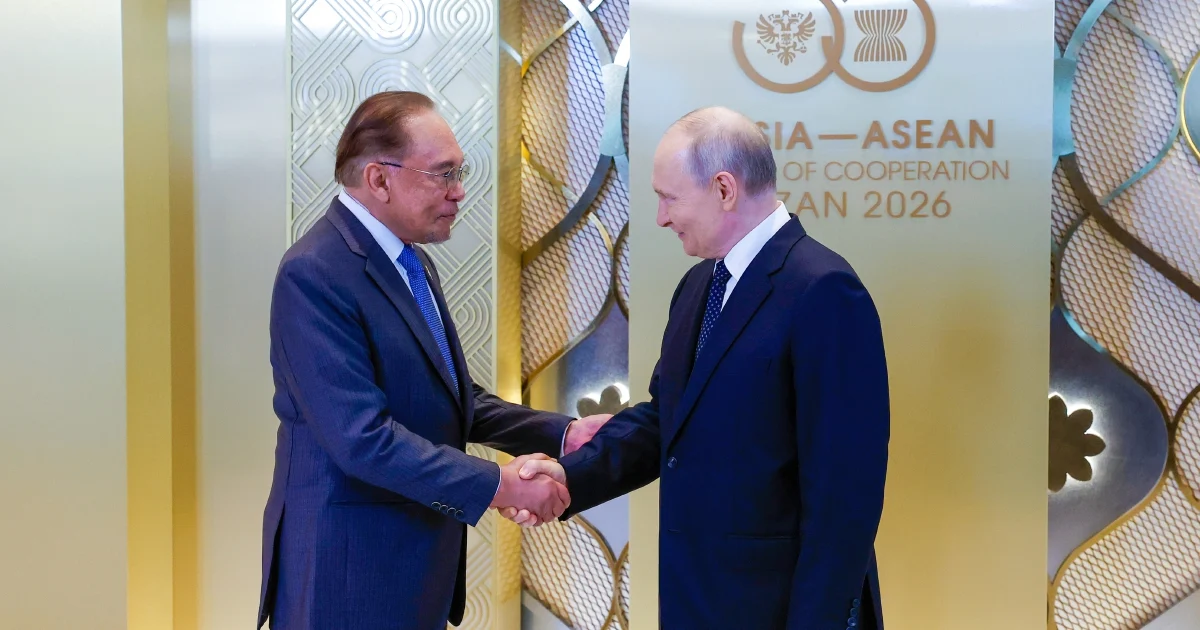
Prime Minister Datuk Seri Anwar Ibrahim announced today that Malaysia has received assurances from Russia regarding long-term energy supplies, marking another step in the country's broader strategy to secure stable energy resources from multiple major producers across the globe. Speaking in Bintulu, Anwar emphasised that these partnerships are central to Malaysia's approach of safeguarding its economic interests in an increasingly complex and competitive energy marketplace.
The significance of this diplomatic overture extends beyond bilateral relations between Kuala Lumpur and Moscow. Malaysia's energy sector has traditionally relied on a combination of domestic production, regional supplies, and international markets. With global energy prices subject to geopolitical tensions and supply chain disruptions, the government sees direct agreements with established producers as a hedge against future market volatility. By engaging with Russia—one of the world's largest energy exporters—Malaysia is positioning itself to maintain competitive access to critical energy resources that underpin both industrial operations and household consumption.
Anwar's remarks underscore a strategic shift in Malaysia's foreign policy approach to energy diplomacy. Rather than depending solely on market mechanisms or regional arrangements, the government is actively cultivating state-to-state relationships with major suppliers. This diversification strategy acknowledges the reality that energy security cannot be taken for granted in a multipolar world where geopolitical considerations frequently intersect with commercial interests. The Prime Minister's public emphasis on these assurances signals to both domestic and international audiences that Malaysia is a reliable, pragmatic actor willing to engage broadly to protect national interests.
For Malaysia specifically, stable energy supplies are fundamental to economic competitiveness. The manufacturing sector, particularly those industries reliant on consistent power availability and feedstock, depends on predictable energy costs and availability. Any disruption to supply chains or sudden price spikes can cascade through the economy, affecting everything from petrochemical production to export-oriented manufacturing. The assurances from Russia therefore carry tangible implications for business confidence and investment planning across multiple sectors.
The timing of these assurances also reflects broader regional dynamics in Southeast Asia. Other major economies in the region are similarly pursuing energy partnerships to reduce vulnerabilities. Vietnam, Thailand, and Indonesia have all made significant investments in diversifying their energy sources in recent years. Malaysia's move to formalise long-term energy agreements with Russia places it within this regional pattern of pragmatic energy diplomacy, even as the region maintains important relationships with traditional partners in the Middle East and other suppliers.
Bintulu, where Anwar made these comments, holds particular symbolic significance as one of Malaysia's major energy hubs. The city hosts substantial liquefied natural gas facilities and petroleum infrastructure, making it a natural venue for announcements concerning energy policy and international energy partnerships. The choice of location reinforces the government's commitment to maintaining and developing Malaysia's energy infrastructure as a critical pillar of the national economy.
Russia's willingness to provide such assurances reflects its own strategic interest in maintaining stable, long-term energy export relationships beyond Europe. As Western sanctions and geopolitical tensions have complicated Russia's traditional markets, engagement with Asian economies takes on heightened importance. For Malaysia, this creates a mutually beneficial arrangement where both parties see value in sustained commercial relationships outside the context of global political divisions.
The pursuit of long-term energy supply agreements also suggests Malaysia's awareness of potential future market constraints. As the global economy gradually transitions toward renewable energy sources and decarbonisation becomes increasingly important, conventional energy producers may face reduced demand in the distant future. Securing long-term contracts now protects Malaysia's access to affordable energy during the middle decades of this century, when the energy transition will still be incomplete and conventional sources will remain necessary for both economic and social stability.
This energy diplomacy must be understood within Malaysia's broader foreign policy framework. The government has consistently emphasised a non-aligned approach to international relations, seeking to maintain productive relationships with diverse global powers rather than aligning exclusively with any single bloc. Energy partnerships serve as a practical mechanism for this diplomatic posture, allowing Malaysia to deepen ties with various producers while pursuing its economic interests without requiring ideological alignment.
Looking forward, Malaysia's energy security strategy will likely continue evolving as global markets shift and new technologies emerge. However, the commitment to diversified, long-term partnerships with established producers like Russia appears to be a central pillar of this approach. The assurances conveyed today represent not merely a commercial transaction, but a manifestation of Malaysia's determination to maintain agency over its own economic future in an increasingly interconnected global system.
%22%2F%3E%3C%2Fpattern%3E%3C%2Fdefs%3E%3Crect%20width%3D%22100%25%22%20height%3D%22100%25%22%20fill%3D%22url(%23ph29hsg)%22%2F%3E%3Crect%20width%3D%22100%25%22%20height%3D%22100%25%22%20fill%3D%22url(%23ph29hsp)%22%2F%3E%3Ctext%20x%3D%2250%25%22%20y%3D%2250%25%22%20text-anchor%3D%22middle%22%20dominant-baseline%3D%22central%22%20fill%3D%22rgba(255%2C255%2C255%2C0.95)%22%20font-family%3D%22Georgia%2C%20'Times%20New%20Roman'%2C%20serif%22%20font-weight%3D%22700%22%20font-size%3D%22272%22%20letter-spacing%3D%22-0.02em%22%3EMITRA%3C%2Ftext%3E%3C%2Fsvg%3E)
%22%2F%3E%3C%2Fpattern%3E%3C%2Fdefs%3E%3Crect%20width%3D%22100%25%22%20height%3D%22100%25%22%20fill%3D%22url(%23phvxcwg)%22%2F%3E%3Crect%20width%3D%22100%25%22%20height%3D%22100%25%22%20fill%3D%22url(%23phvxcwp)%22%2F%3E%3Ctext%20x%3D%2250%25%22%20y%3D%2250%25%22%20text-anchor%3D%22middle%22%20dominant-baseline%3D%22central%22%20fill%3D%22rgba(255%2C255%2C255%2C0.95)%22%20font-family%3D%22Georgia%2C%20'Times%20New%20Roman'%2C%20serif%22%20font-weight%3D%22700%22%20font-size%3D%22320%22%20letter-spacing%3D%22-0.02em%22%3ERim%3C%2Ftext%3E%3C%2Fsvg%3E)