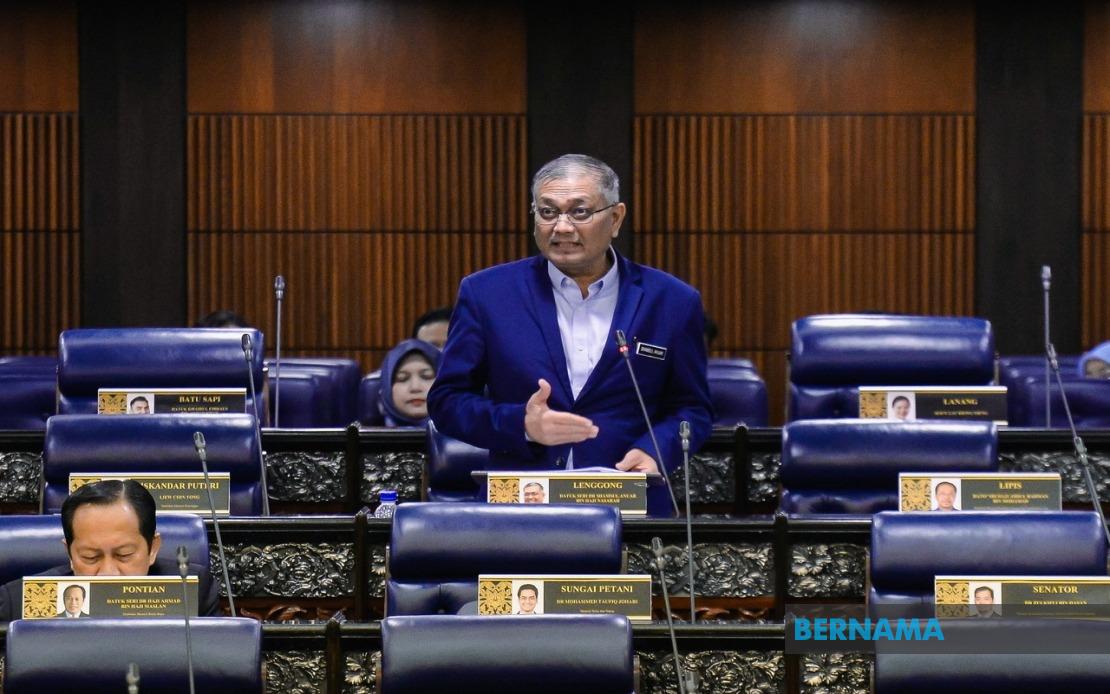
Malaysia's crackdown on illegal cryptocurrency mining has reached significant momentum, with authorities confiscating more than 75,000 mining machines throughout the nation over a roughly 30-month period ending in May this year. Deputy Home Minister Datuk Seri Dr Shamsul Anuar disclosed the scale of the enforcement drive, which has involved coordinated operations spanning more than 3,000 separate raids. The operation represents a sustained push by the government to curtail activities that drain national electricity resources and circumvent legal regulations.
The enforcement effort has not been limited to seizures alone. Over the course of these operations, 629 individuals have faced arrest as authorities moved to hold operators accountable for their involvement in illegal mining ventures. The coordinated nature of these raids underscores the multi-agency approach the government has adopted to tackle the problem systematically. The Royal Malaysia Police has worked alongside Tenaga Nasional Berhad, the national electricity provider, as well as local authorities and other relevant government bodies, creating a collaborative framework designed to address the issue comprehensively.
The persistence of illegal cryptocurrency mining in Malaysia stems from compelling economic incentives that continue to drive operators despite regulatory risks. The substantial profits available from fluctuations in digital asset prices create powerful motivations for individuals willing to operate outside the law. Many operators are drawn to cryptocurrency mining because of the potential returns on investment, even when accounting for electricity costs. However, the illegal dimension of this activity often involves deliberately circumventing legitimate expenses by stealing electricity through unauthorised connections or tampering with metering systems, which compounds the economic damage to the nation's power infrastructure.
While Malaysia permits citizens to own and trade cryptocurrencies, the regulatory environment surrounding mining activities remains clearly circumscribed. The government has established that cryptocurrency mining becomes illegal when it involves unauthorised electrical connections, meter tampering, disruption to power supply systems, or operation without the necessary governmental licences. This distinction is important for investors and technology enthusiasts who may be considering legitimate participation in the digital asset economy. The legal framework differentiates between permissible cryptocurrency transactions and the prohibited activity of unsanctioned mining operations that impose external costs on society.
The Home Ministry's evolving strategy reflects lessons learned from previous enforcement efforts and recognition that reactive approaches alone prove insufficient against a persistently innovative underground industry. Deputy Minister Shamsul Anuar emphasised that the ministry is progressively enhancing its enforcement tactics through greater collaboration with TNB and improved capacity in intelligence gathering and technological deployment. The focus has shifted toward identifying probable mining hotspots before launching operations, which allows authorities to allocate resources more efficiently and strike with greater precision. This intelligence-led approach contrasts with reactive enforcement and suggests a more sophisticated understanding of how mining operations cluster geographically and operationally.
The implications for Malaysia's electrical grid and energy security represent a critical dimension of this enforcement activity. Illegal mining operations impose substantial hidden costs through electricity theft and system disruption, effectively forcing legitimate consumers to bear a portion of the financial burden through distorted pricing structures. TNB's partnership in enforcement operations reflects the utility's direct interest in protecting revenue and grid stability. The electricity losses from illegal mining operations represent not merely theft but also potential threats to the reliability of the nation's power infrastructure, particularly in areas where mining activity concentrates.
Regulatory responsibility for cryptocurrency-related matters in Malaysia is distributed among multiple agencies, each with distinct mandates reflecting different policy concerns. The Securities Commission Malaysia oversees digital assets and enforces relevant securities legislation, ensuring that any permitted trading and investment activities operate within established legal boundaries. Bank Negara Malaysia maintains separate jurisdiction over financial stability, payment systems, and compliance with anti-money laundering obligations. This division of regulatory authority reflects the complexity of cryptocurrency regulation, which intersects financial services, law enforcement, and national security considerations. The compartmentalisation also helps prevent regulatory gaps where activities might slip between agencies' jurisdictions.
The scale of confiscations since 2022 indicates that illegal mining has represented a persistent and substantial challenge for Malaysian authorities. The removal of 75,000 machines from circulation demonstrates both the scope of illegal operations and the commitment of law enforcement to systematic enforcement. However, the continued seizures also suggest that the underground industry maintains capacity for renewal and replacement, adapting to enforcement pressure through relocation, diversification, and operational adjustments. Understanding mining as an adaptive underground economy rather than a static problem may inform more effective long-term policy approaches.
For Malaysia's regional standing and broader economic interests, addressing illegal cryptocurrency mining contributes to efforts demonstrating effective governance and rule of law. Southeast Asian nations generally face comparable challenges with illegal mining, and Malaysia's enforcement record provides both a model and a cautionary tale about the difficulty of maintaining comprehensive controls over digital economic activities. The sustained commitment to enforcement sends signals to legitimate businesses and foreign investors that Malaysia maintains functional regulatory capacity and commitment to protecting critical infrastructure. Conversely, the ongoing need for operations suggests that completely eliminating illegal activity may be unrealistic without broader reforms in electricity pricing structures, regional economic opportunities, or technological accessibility.

