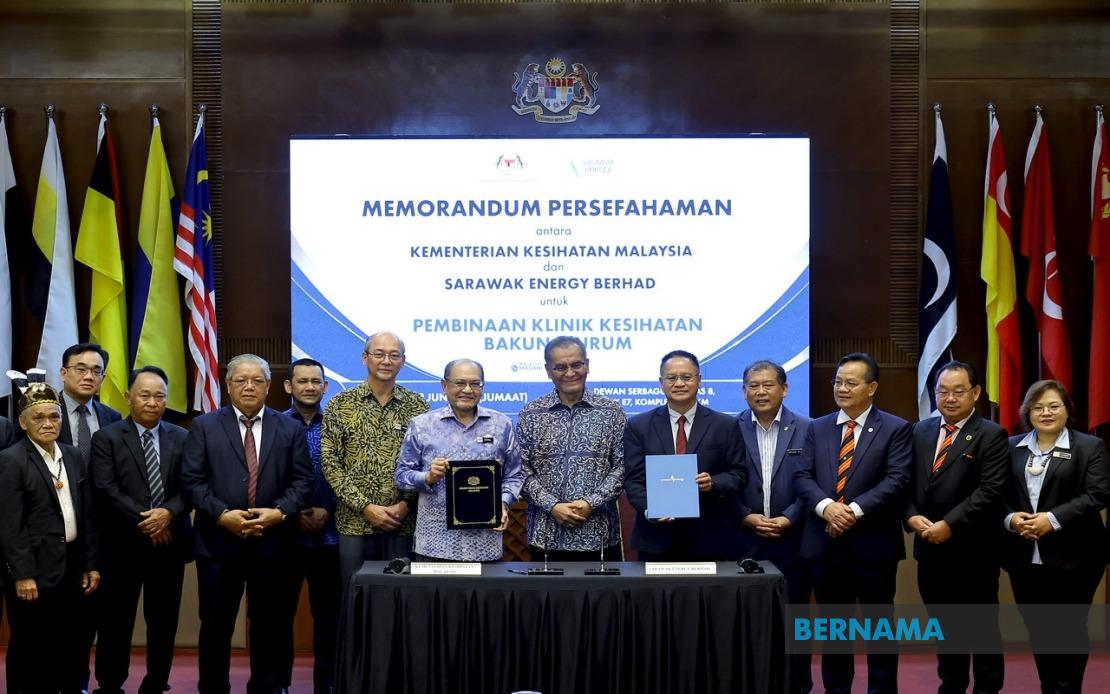
The Malaysian Health Ministry is pushing toward resolution of administrative barriers that have constrained the development and training of medical specialists, according to Health Minister Datuk Seri Dr Dzulkefly Ahmad. Speaking at a press conference in Putrajaya on June 19 following the signing of a healthcare infrastructure agreement with Sarawak Energy, the minister acknowledged existing bureaucratic impediments while signalling imminent progress. The acknowledgement comes as the nation confronts persistent staffing challenges that threaten to undermine service quality across its healthcare network.
The specialist shortage affecting Malaysia has grown into a critical concern for health administrators and policymakers. The reported deficit of approximately 11,000 medical specialists represents a substantial gap in the workforce capacity needed to meet population healthcare demands across both government-run and private institutions. This shortfall has prompted the ministry to prioritise solutions that balance rapid expansion with the realities of infrastructure development and financial sustainability. The scale of the challenge extends across multiple medical disciplines and geographic regions, with implications for service accessibility and treatment quality nationwide.
Dr Dzulkefly framed the ministry's response as inherently linked to infrastructure expansion rather than a standalone recruitment initiative. Building specialist capacity requires corresponding investment in hospital facilities, diagnostic equipment, teaching resources, and administrative support systems. The ministry's approach reflects an understanding that deploying additional specialists without adequate infrastructure would prove counterproductive, potentially overwhelming existing systems and reducing service effectiveness. This integrated planning philosophy suggests that specialist numbers will increase progressively as new facilities come online and existing ones are upgraded.
The structured expansion timeline being implemented by the ministry incorporates both immediate and medium-term phases. Rather than pursuing rapid hiring that might exceed institutional capacity, the approach synchronises workforce development with infrastructure requirements identified through healthcare planning processes. Current needs assessments and facility priorities inform the phasing schedule, ensuring that specialist recruitment matches the operational capability of facilities designated to employ them. This methodical strategy, while potentially frustrating those seeking faster increases, provides a sustainable foundation for long-term workforce stability.
To manage immediate pressures while comprehensive solutions are finalised, the ministry has implemented a cluster-based crisis management system. This interim approach leverages cooperation among hospitals operating within defined geographic or administrative clusters, alongside associated primary health facilities. Personnel deployment becomes more flexible under this model, with healthcare workers reassigned across cluster institutions based on daily operational requirements and patient volumes. The system permits rapid response to acute staffing shortages in specific departments or facilities without requiring permanent structural changes.
The cluster management framework represents a pragmatic short-term intervention designed to maintain service continuity during the transition toward permanent solutions. By redistributing available staff across integrated networks rather than maintaining rigid departmental boundaries, the system can concentrate expertise where demand peaks and prevent bottlenecks in overloaded facilities. However, the approach depends on adequate baseline staffing and may increase workload pressures on existing personnel. The minister acknowledged these workforce pressures explicitly, framing the cluster system as temporary while longer-term improvements are developed.
The bureaucratic constraints mentioned by Dr Dzulkefly likely encompass multiple institutional layers. Training pathway approval processes, specialist credential recognition, salary scale determinations, and appointment procedures may all contain procedural elements that slow specialist development and recruitment. Streamlining these administrative processes could accelerate the transition of qualified doctors into specialist roles without requiring immediate increases in total personnel numbers. The ministry's emphasis on being in the "final stages" of resolution suggests that specific reforms are nearly ready for implementation, potentially yielding visible improvements in specialist availability within the coming months.
For Southeast Asian context, Malaysia's specialist shortage reflects wider regional healthcare workforce challenges. Rapid population growth, ageing demographics, and rising treatment demand have outpaced specialist training capacity across multiple countries in the region. Malaysia's experience offers comparative insights into how integrated healthcare systems can address capacity gaps through both workforce development and infrastructure investment. The cluster management approach may also have relevance for other jurisdictions struggling with uneven specialist distribution across rural and urban areas.
The infrastructure agreement signed with Sarawak Energy during the minister's announcement underscores the connection between capital investment and workforce capacity. The Bakun-Murum Health Clinic represents the type of facility development that enables specialist deployment in previously underserved areas. Such initiatives gradually extend specialist services beyond major urban centres, potentially improving equitable access to specialised treatment across Malaysia's diverse geography. Each new or upgraded facility creates additional positions that can accommodate trained specialists.
The ministry's explicit commitment to resolving bureaucratic hurdles within a definite timeframe provides stakeholders with measurable accountability. Medical students contemplating specialisation, current practitioners considering career transitions, and healthcare administrators planning budgets all benefit from clarity about implementation schedules. Transparent communication regarding specific reforms and their expected impact dates would strengthen confidence in the ministry's capacity to deliver on its stated intentions.
The convergence of specialist training reforms, infrastructure development, and cluster management represents a multifaceted strategy acknowledging that workforce challenges cannot be solved through recruitment alone. Each component addresses different constraints: training pathways remove qualification impediments, infrastructure investment enables job creation, and cluster management optimises existing resources. For Malaysian healthcare to achieve adequate specialist coverage, all three initiatives must advance simultaneously and remain aligned with evolving needs.
The resolution of these outstanding bureaucratic issues carries significance extending beyond the health sector. Healthcare system capacity influences productivity, demographic trends, and quality of life across society. International investment decisions and talent attraction are influenced by perceptions of healthcare quality and accessibility. Demonstrating progress in specialist workforce development therefore contributes to Malaysia's broader competitiveness and social stability. The ministry's focus on completing these reforms reflects awareness that healthcare excellence depends on sustained attention to workforce development alongside facility improvement.