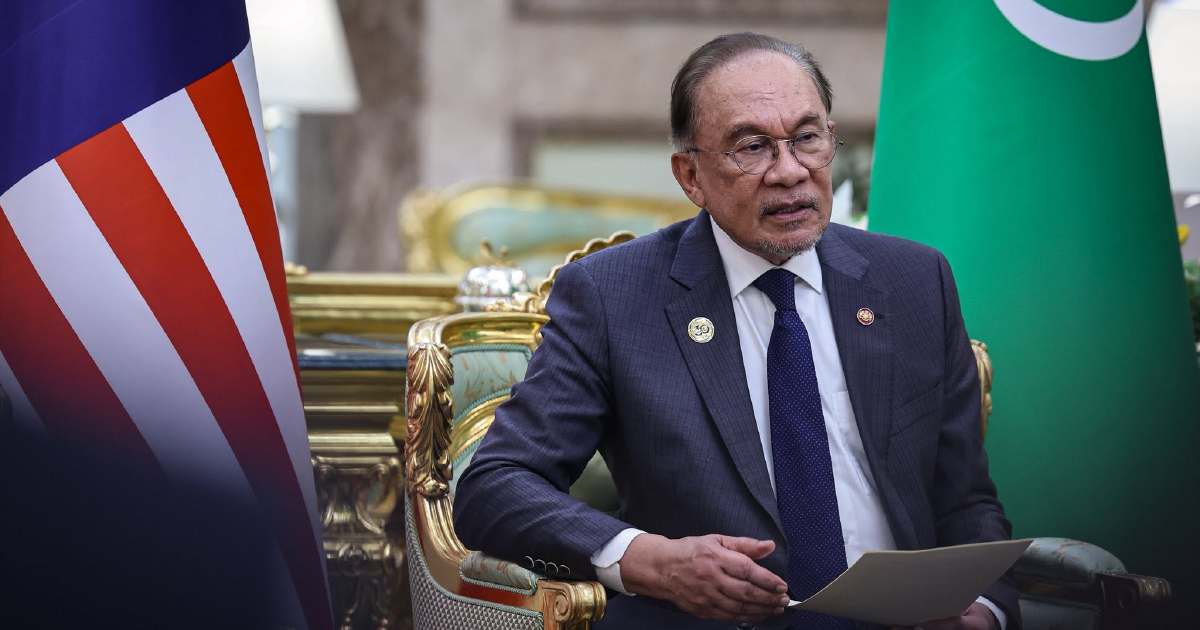
Prime Minister Anwar Ibrahim has commended national oil and gas corporation Petronas for achieving a significant breakthrough in Central Asia, securing an agreement to develop a gas field in Turkmenistan. The deal marks an important milestone for Malaysia's energy company as it deepens its operational presence beyond Southeast Asia and strengthens the nation's role in global energy markets during a period of transition toward cleaner fuels.
The development represents a considerable achievement for Petronas, which has positioned itself as a major player in upstream oil and gas exploration and production across multiple continents. By establishing operations in Turkmenistan, one of Central Asia's richest hydrocarbon reserves, the company is diversifying its asset portfolio and securing long-term revenue streams in a strategically important region. This expansion demonstrates Petronas's capability to compete internationally and manage complex energy projects in challenging jurisdictions.
Turkmenistan possesses vast natural gas reserves, making it a crucial supplier to regional and international markets. The country's energy sector has attracted investment from major petroleum companies worldwide, and Petronas's entry into this market reflects growing confidence in the company's operational expertise and financial capacity. The gas field development is expected to contribute substantially to the nation's energy security and economic growth, as revenues from such projects support Malaysia's fiscal position and fund critical infrastructure development.
For Malaysia specifically, the Turkmenistan arrangement strengthens the nation's diplomatic and commercial ties within Central Asia. Energy cooperation often serves as a foundation for broader bilateral relationships, opening doors to trade partnerships, technology exchange, and cultural connections. The presence of a Malaysian company operating major energy infrastructure in Turkmenistan also raises Malaysia's profile in the region and signals the country's capacity to participate in large-scale international projects.
Prime Minister Anwar's public acknowledgment of Petronas's achievement underscores the government's commitment to supporting national champions in the global marketplace. The administration has made energy transition and economic competitiveness central pillars of its development strategy, recognising that companies like Petronas must expand internationally to remain viable and contribute to Malaysia's long-term prosperity. Petronas's success abroad also creates employment opportunities for Malaysian engineers, technicians, and other professionals, exporting skilled labour and expertise.
The timing of this breakthrough carries particular significance within the evolving global energy landscape. While the world transitions toward renewable energy and reduced hydrocarbon dependence, natural gas remains a critical transition fuel that bridges fossil fuels and renewables. Turkmenistan's gas reserves will continue serving global demand for decades, and Malaysian investment in developing these resources positions Petronas to benefit from sustained market demand while the company simultaneously invests in cleaner energy technologies.
From a regional perspective, Southeast Asian energy companies strengthening their presence in Central Asia creates new commercial corridors and reduces the continent's economic dependence on a single geographic zone. Malaysia, alongside regional peers, benefits from diversified energy sourcing and the geopolitical influence that comes with participating in major infrastructure projects across multiple continents. Such expansion also provides valuable experience for Malaysian firms navigating complex regulatory environments and managing operations in different political contexts.
The Turkmenistan gas field development demonstrates Petronas's technical prowess in extracting and processing natural gas from challenging geological formations. Central Asian gas fields often present technical difficulties requiring sophisticated engineering solutions and advanced equipment. Petronas's ability to manage these projects reflects decades of accumulated expertise in the upstream sector and underscores why the company remains attractive to international partners seeking reliable, experienced operators.
Economically, the Turkmenistan project promises substantial returns through production sharing arrangements, service fees, and equity participation structures typical of such ventures. These revenues will flow back to Malaysia, supporting government budgets and shareholder returns. The project also creates demand for Malaysian suppliers, service providers, and contractors, extending economic benefits beyond Petronas itself to the broader Malaysian business ecosystem.
Looking forward, Petronas's Turkmenistan success may encourage the company to pursue additional opportunities throughout Central Asia and beyond. Building a track record of successful major projects in new markets demonstrates competence to potential partners and host governments, creating opportunities for future expansion. This incremental growth in Petronas's global portfolio strengthens Malaysia's position as a source of capable energy companies and reinforces the nation's reputation for technical excellence and reliable international partnerships.
The breakthrough also reflects broader shifts in global energy markets, where companies must operate across continents to achieve scale and secure supplies for international customers. Petronas's Central Asian presence positions the company to serve customers in Europe, South Asia, and beyond, creating geographically diverse revenue streams less vulnerable to regional market fluctuations. This strategic positioning enhances shareholder value and ensures Malaysia benefits from Petronas's global success.