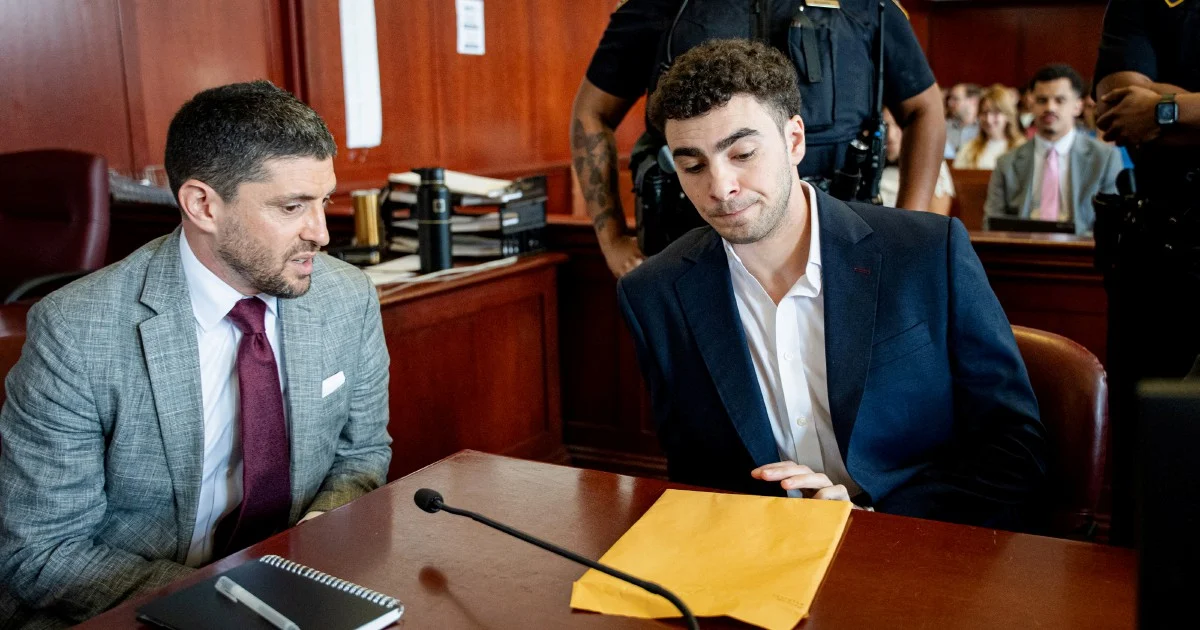
Luigi Mangione, who stands accused of fatally shooting UnitedHealthcare chief executive Brian Thompson on a Manhattan street in December, has chosen to shelve his mental health defence strategy—at least for the immediate future. The tactical shift emerged from a court filing submitted Friday, signalling a significant change in the defence team's approach as the case moves toward trial proceedings. This decision raises important questions about trial strategy in one of the year's most closely watched criminal cases.
The withdrawal of plans to present evidence about Mangione's alleged psychological state represents a calculated legal manoeuvre. Defence teams typically consider such evidence as a way to establish diminished capacity or to paint a sympathetic narrative before a jury. By stepping back from this approach now, Mangione's lawyers may be signalling confidence in other defensive strategies or recognition that such testimony could prove counterproductive at this stage. The court filing provides no detailed explanation for the decision, leaving observers and legal analysts to speculate about the reasoning behind the move.
Thompson's death in early December shocked New York and the broader American healthcare industry. The 50-year-old executive was shot multiple times on a Manhattan street in what authorities characterised as a targeted killing rather than a random act. The incident triggered intense scrutiny of healthcare practices and executive compensation in the United States, with some viewing Thompson's death through the lens of growing tensions between major insurers and frustrated patients denied coverage.
Mangione's arrest came after police linked him to the shooting through multiple investigative leads. He has maintained his innocence, though he was apprehended in Pennsylvania shortly after the killing and subsequently extradited to New York. The case has attracted significant media attention and public interest, partly because it intersects questions about healthcare access, corporate accountability, and criminal justice in ways that resonate beyond typical homicide prosecutions.
Defence strategies in high-profile murder cases often evolve considerably from initial filings through trial. Lawyers may present mental health evidence to suggest their client was incapable of forming the specific intent required for the most serious charges. Such testimony might support arguments for acquittal on some counts or conviction on lesser charges carrying reduced sentences. The decision to withdraw such plans signals either that the defence team has found a stronger path forward or that they have determined mental health evidence would undermine their overall case strategy.
For Malaysian readers following international crime cases, this development illustrates how American criminal justice procedures allow defendants to withdraw evidence before trial. Such tactical flexibility contrasts with some other legal systems and reflects the adversarial nature of common law proceedings. The decision also underscores how defence teams must navigate complex calculations about what information helps or hinders their clients' interests in the courtroom.
The withdrawal does not necessarily mean Mangione will never introduce mental health evidence. Courts typically allow defendants to modify their strategies throughout proceedings, and future filings could reintroduce such plans. However, the Friday decision suggests the defence has confidence in alternative approaches that may prove more effective in challenging the prosecution's case or establishing reasonable doubt among jurors.
Prosecutors will likely view this development as positive for their case, though they must remain prepared for any defensive strategy Mangione's team ultimately pursues. The shooting of a prominent healthcare executive has kept intense scrutiny on the case, and the legal proceedings are expected to involve substantial pre-trial motions and procedural arguments before any jury trial begins.
The case touches on broader themes about healthcare industry leadership and public anger over insurance denials that have become increasingly visible in American society. Some observers have questioned whether Thompson's death represents an extreme manifestation of widespread frustrations with health insurance companies. These contextual factors will likely remain part of public discussion even as the legal case proceeds on narrower evidentiary and procedural grounds.
Mangione faces serious charges arising from the December shooting. The withdrawal of mental health defence plans represents merely one strategic element in what promises to be a complex and lengthy legal process. As the case develops, both prosecution and defence will continue refining their approaches based on discoveries, legal rulings, and other procedural developments that emerge through the coming months of litigation.