%22%2F%3E%3C%2Fpattern%3E%3C%2Fdefs%3E%3Crect%20width%3D%22100%25%22%20height%3D%22100%25%22%20fill%3D%22url(%23ph1wluwg)%22%2F%3E%3Crect%20width%3D%22100%25%22%20height%3D%22100%25%22%20fill%3D%22url(%23ph1wluwp)%22%2F%3E%3Ctext%20x%3D%2250%25%22%20y%3D%2250%25%22%20text-anchor%3D%22middle%22%20dominant-baseline%3D%22central%22%20fill%3D%22rgba(255%2C255%2C255%2C0.95)%22%20font-family%3D%22Georgia%2C%20'Times%20New%20Roman'%2C%20serif%22%20font-weight%3D%22700%22%20font-size%3D%22226%22%20letter-spacing%3D%22-0.02em%22%3EMelaka%3C%2Ftext%3E%3C%2Fsvg%3E)
The Ministry of Entrepreneur Development and Cooperatives (KUSKOP) has demonstrated its commitment to bolstering Melaka's entrepreneurial landscape by approving nearly RM100 million in financing for over 4,300 business owners across the state as of May 31. This substantial capital injection represents a concerted effort to fortify the microfinance, small and medium enterprise (MSME) sector in the southern state, underpinning broader economic objectives that extend beyond individual business growth.
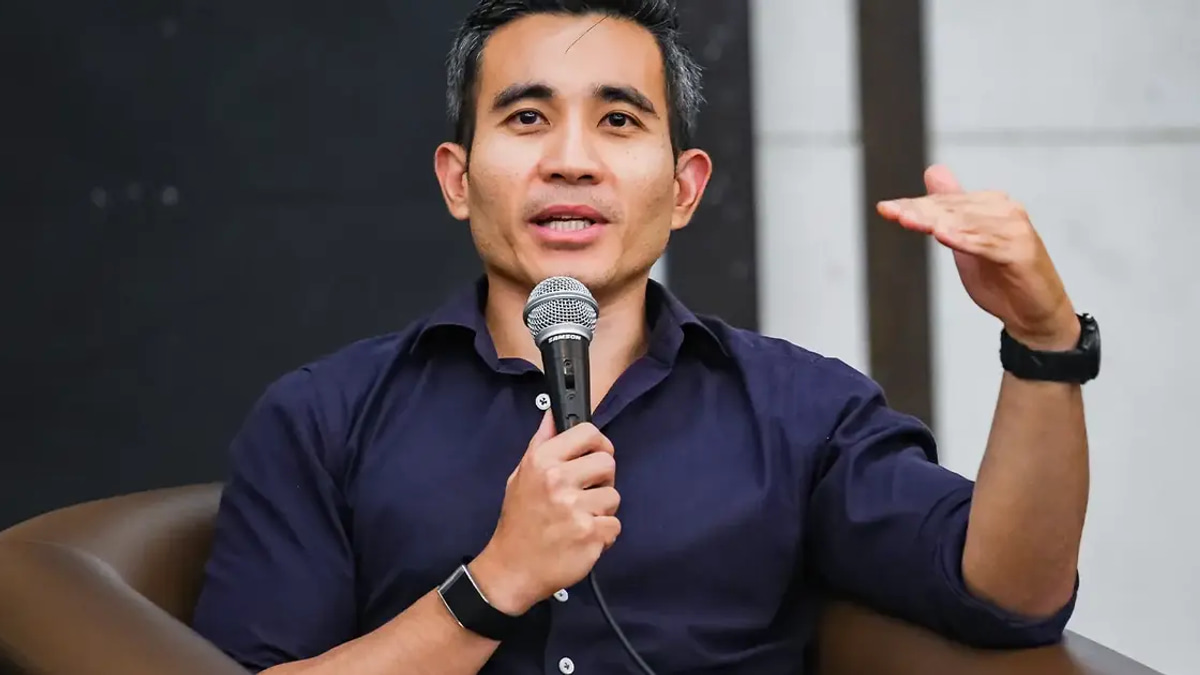
Minister Steven Sim underscores the interconnected nature of entrepreneurial development within Malaysia's economic framework. He articulates that directing capital toward business owners generates a multiplier effect throughout local communities, benefiting not only proprietors but also their employees, supply chain partners and neighbourhood economies. This perspective reflects an understanding that MSME financing serves as a mechanism for distributing economic gains across multiple stakeholder groups rather than concentrating wealth at the top of the business hierarchy.
The financing cascade Sim describes operates on a straightforward principle: when capital circulates within the local economy through business expansion and operational scaling, it sustains employment, strengthens supplier relationships and stimulates consumer spending. These dynamics prove particularly significant for Melaka, a state with a diverse economic base spanning tourism, manufacturing and services. The RM100 million injection into the Melakan entrepreneurial ecosystem therefore carries implications beyond mere financial support, representing an intentional policy instrument for inclusive economic growth.
Nationwide, the ministry's broader financing ambitions dwarf the Melaka commitment. Through the first five months of 2024, KUSKOP approved RM5 billion in financing benefiting nearly 180,000 entrepreneurs across Malaysia, demonstrating the scale of government intervention in the MSME sector. These figures reveal an administration prioritising grassroots economic empowerment as a counterbalance to concerns about concentration of economic power among large corporations and established conglomerates.
The ministry's PowerUp10K initiative epitomises this ambition, targeting RM15 billion in MSME financing nationwide during 2024. This programme reflects a strategic recognition that sustainable economic expansion requires strong foundations comprising thousands of functioning small enterprises, rather than reliance on a handful of large players. For Malaysian policymakers, investing in MSMEs reduces economic vulnerability while creating geographically distributed employment opportunities across urban and rural areas alike.
During a three-day working visit to Melaka from June 19 to 21, Sim engaged directly with entrepreneurs through the Hebatkan Perniagaan Malaysia Carnival (KHPM), an engagement initiative designed to connect government officials with business owners and local traders. This grassroots approach enabled Sim to observe operational realities facing entrepreneurs while presenting nearly RM1 million in financing to 18 recipients through TEKUN Nasional and SME Corp Malaysia at a gathering held at Malim Food Town.
The diversity of sectors represented among the 18 financing recipients illustrates the breadth of MSME activity in Melaka and highlights government willingness to support varied entrepreneurial pursuits. Beneficiaries spanned food and beverages, wholesale distribution, professional services, construction contracting, retail operations, online commerce, automotive ventures and miscellaneous service provision. This sectoral diversity suggests that KUSKOP financing mechanisms remain sufficiently flexible to accommodate enterprises across the economic spectrum rather than narrowly favouring particular industries.
Sim's remarks regarding Malaysia's multicultural composition carry economic dimensions extending beyond conventional diversity rhetoric. The minister argues that Malaysia's ethnic, linguistic and cultural plurality constitutes a competitive advantage in attracting foreign investment while enabling domestic enterprises to penetrate international markets. This assertion implies that MSME development efforts, by strengthening local entrepreneurial capacity, contribute to Malaysia's attractiveness as an investment destination and enhance the nation's economic integration into regional and global value chains.
Melaka specifically occupies an interesting position within this national economic strategy. As a historically significant state with established manufacturing capabilities, tourism infrastructure and port facilities, the region possesses multiple pathways for MSME growth. The RM100 million financing injection provides capital enabling proprietors to modernise operations, adopt technology, scale production or diversify product offerings. For entrepreneurs operating in sectors exposed to regional competition, such government support may prove decisive in determining business survival and expansion prospects.
The concentration of nearly 4,300 MSME financing approvals in Melaka reflects successful programme implementation at the state level, suggesting effective coordination between federal ministry officials and state-level economic development bodies. This institutional arrangement enables tailored approaches recognising regional economic characteristics while maintaining alignment with national financing targets and strategic objectives. Successful execution in Melaka potentially provides a template for replication across other Malaysian states, diffusing best practices and optimising resource allocation.
Beyond immediate financing mechanics, the broader policy framework articulated by Sim indicates government philosophy prioritising inclusive capitalism through deliberate wealth distribution mechanisms. By channelling RM15 billion toward MSMEs nationwide, policymakers reject approaches concentrating capital among established corporations, instead betting that distributed entrepreneurial activity generates more resilient, employment-intensive economic structures. For Malaysian business stakeholders, this orientation creates opportunities for accessing government support while signalling the administration's commitment to systematic MSME sector development extending beyond one-off financing announcements.
The implications for Southeast Asian economies observing Malaysian policy merit consideration. As regional nations grapple with balancing corporate expansion against grassroots economic participation, Malaysia's sustained investment in MSME financing demonstrates a deliberate choice prioritising small business development. For entrepreneurs across the region, Malaysia's approach illustrates how government can leverage financing instruments to stimulate inclusive growth, potentially informing similar initiatives throughout Southeast Asia where MSME sectors remain crucial employment generators and economic stabilisers.