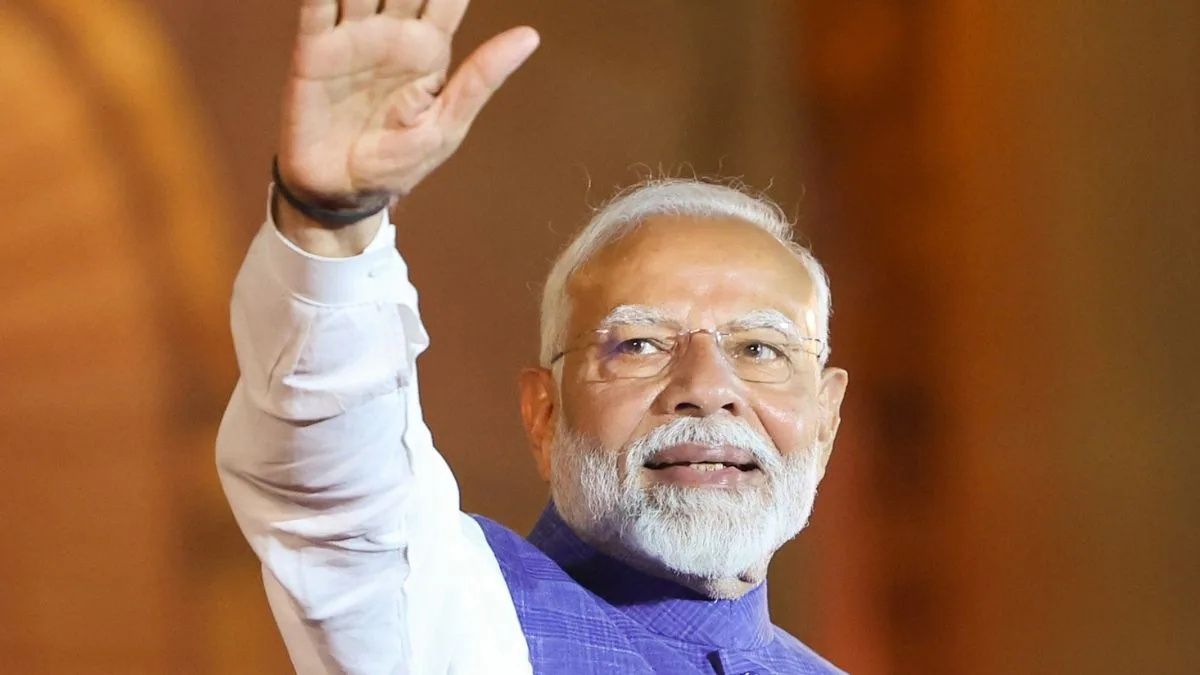
Prime Minister Narendra Modi will preside over India's 12th International Day of Yoga (IDY) celebrations from Kolkata's historic Red Road on Sunday, June 21, underscoring his government's emphasis on the philosophy of "Healthy Body, Healthy Mind." The decision to host the nation's main event in West Bengal's capital represents a significant political and cultural statement, coming in the immediate aftermath of the Bharatiya Janata Party's sweeping victory in the state assembly elections, where it displaced the long-ruling Trinamool Congress from power.
The gathering at Red Road will commence in the early morning, featuring mass demonstrations of the Common Yoga Protocol alongside thousands of participants, government dignitaries, and citizens. The choice of venue carries symbolic weight beyond its logistical convenience. Red Road stands as one of Kolkata's most vibrant public spaces, steeped in the city's civil history, military heritage, and progressive environmental initiatives. Organisers anticipate record attendance at the event, reflecting both the spectacle expected of such a national occasion and the broader political messaging embedded in the choice of location.
The decision to position West Bengal as the focal point for India's premier yoga celebration sends a clear message about the Modi government's intentions for the state. Senior BJP leaders have publicly indicated that the newly won territory will receive substantial central government attention and resources in the coming years, with promises of accelerated development to reverse what party officials characterise as years of mismanagement under the previous administration. The IDY event thus serves a dual purpose: promoting wellness initiatives while simultaneously reinforcing the government's new political foothold in a crucial eastern state.
This year's theme, "Yoga for Healthy Ageing," addresses a pressing global demographic reality. Union Minister of State Prataprao Jadhav has emphasised that while global life expectancy has increased substantially, the critical challenge lies in ensuring these additional years remain healthy, active, and meaningful. Yoga, according to the government's positioning, offers a scientifically grounded and traditionally validated approach to achieving this balance, combining physical strengthening, mental well-being, and enhanced quality of life through time-tested holistic practices.
The scale of India's yoga initiative extends far beyond Kolkata. The Ministry of Ayush has coordinated approximately 2,500 organised events across the globe, with Indian diplomatic missions in 211 countries participating simultaneously. This represents an unprecedented international coordination of a health and wellness campaign centred on Indian cultural traditions. The Yoga Sangam Portal has registered over 600,000 organisations, reflecting remarkable institutional and community enthusiasm across the country. These registrations signal that the yoga movement has transcended niche wellness circles to achieve mainstream adoption across educational institutions, government bodies, and civil society organisations.
The registered organisations are expected to mobilise their constituents to practice yoga simultaneously with Modi, creating a symbolic moment of national unity around health and well-being. This coordinated participation strategy transforms the International Day of Yoga from a ceremonial occasion into a mass movement, leveraging digital platforms and organisational networks to achieve genuine grassroots engagement. For Malaysian readers observing developments in India's largest regional neighbour, this demonstrates the sophistication with which India weaponises cultural and health initiatives for soft power projection.
The Ministry of Culture has further enhanced the celebrations by organising yoga programmes at 100 iconic locations across India, deliberately fusing the nation's cultural heritage with contemporary wellness movements. This integration serves multiple purposes: it validates yoga as authentically rooted in Indian civilisation while positioning the practice as universally relevant for modern health challenges. The initiative acknowledges that wellness traditions and cultural identity are not separate domains but deeply interconnected aspects of national character and contemporary governance.
Kolkata has hosted a series of preparatory events leading to the main celebration, including the "Daud Se Dhyan 2026 – From Movement to Stillness" initiative, organised under the Swachhata Se Swagat Programme. This upstream engagement connects yoga practice to broader civic values including cleanliness, health consciousness, and community responsibility, embedding wellness within a holistic vision of national development rather than treating it as an isolated health concern.
The West Bengal government has mandated participation in IDY celebrations for all state employees, who have been instructed to join proceedings either at their workplaces, residential areas, or designated venues including Red Road and Milan Mela grounds. This top-down approach ensures visible mass participation while demonstrating organisational coordination across government hierarchies. For Southeast Asian observers, this reflects the manner in which Indian state structures mobilise for national initiatives, blending voluntary enthusiasm with structural compliance.
The international dimensions of this yoga movement carry implications for India's regional standing. By anchoring the celebration in newly conquered political territory, the Modi government signals confidence in consolidating its eastern base. Simultaneously, the global participation through 211 missions demonstrates India's capacity to project influence through cultural exports, a strategy increasingly relevant as nations compete for soft power in an increasingly multipolar world. The emphasis on healthy ageing resonates particularly with ageing societies across East and Southeast Asia, making this celebration potentially influential beyond India's borders.
The yoga initiative also reflects contemporary trends in governance where health, wellness, and cultural nationalism become intertwined policy domains. By framing yoga as both a scientific approach to ageing and an authentic expression of Indian civilisation, the government appeals simultaneously to rationalist and traditionalist constituencies. This rhetorical strategy has proven effective in Indian domestic politics and offers lessons for regional policymakers considering how cultural traditions can be repositioned as solutions to modern health challenges.