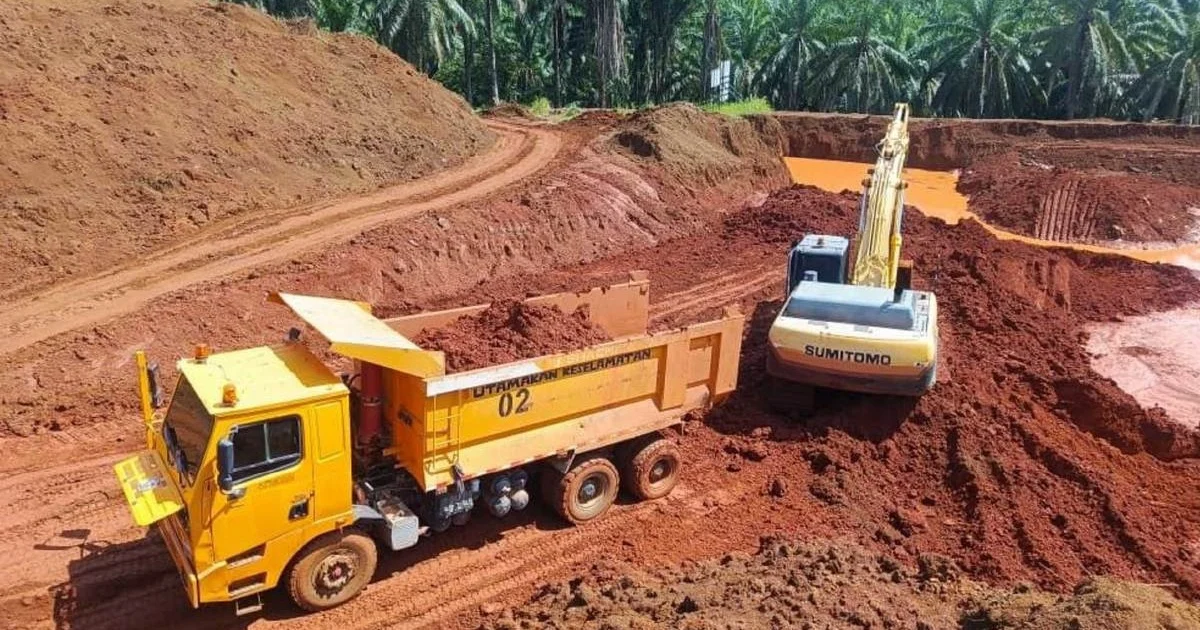
A major crackdown on illegal bauxite mining in Pahang has resulted in nine arrests and the confiscation of approximately RM3.75 million in equipment and extracted materials. The coordinated enforcement action took place at an unauthorised mining site operating within a Felda plantation at Bukit Goh in Kuantan, highlighting ongoing challenges authorities face in combating unlicensed extraction activities in the state.
Among the items recovered were roughly 10,000 tonnes of bauxite-bearing soil that had been excavated from the site. In addition to the raw material, authorities seized an array of heavy machinery essential to the mining operation and multiple lorries used for transporting extracted materials. The combined value of all confiscated assets exceeded RM3.75 million, representing a significant disruption to what investigators believe was an organised unlicensed operation.
The raid underscores the persistent problem of illegal mining across Southeast Asia's major bauxite-producing regions. Malaysia, particularly Pahang, has struggled with unregulated extraction that causes environmental degradation, damages agricultural land, and deprives the state and federal governments of legitimate tax revenue. The Bukit Goh operation exemplifies the scale at which such underground networks function, operating sophisticated extraction and transport systems despite regulatory oversight.
Felda plantations, which cover vast tracts of Peninsular Malaysia, have become frequent targets for illegal miners seeking to exploit resources within established agricultural concessions. The presence of heavy machinery and systematic soil extraction suggests this was not a small-scale opportunistic operation but rather a structured venture with supply chains and distribution networks. The seizure of multiple transport vehicles indicates the operation had established routes for moving its product to intended markets.
The nine individuals detained are now facing investigation under relevant mining and environmental legislation. Authorities have not yet disclosed details regarding their backgrounds, the duration of the illegal operation, or the intended destinations for the extracted bauxite. Understanding the full scope of the distribution network and identifying end-buyers remains crucial for disrupting the broader supply chain that sustains such enterprises.
Illegal bauxite mining in Malaysia has attracted international scrutiny, particularly concerning its environmental and social impacts. Unregulated extraction leaves behind degraded landscapes, contaminated water sources, and eroded soil stability that can persist for years. Communities adjacent to mining areas often report increased dust pollution, damaged infrastructure from heavy vehicle traffic, and reduced agricultural productivity on surrounding land.
The enforcement action reflects intensified regulatory efforts by state and federal authorities to contain illegal mining activities. However, the frequency of such operations suggests that despite periodic raids, enforcement capacity remains insufficient to deter persistent criminal networks. The profitability of bauxite extraction, combined with relatively manageable penalties compared to potential gains, continues to incentivise unlicensed operators to take calculated risks.
Regional demand for bauxite feedstock remains robust, driven by aluminium production facilities across Southeast Asia and beyond. This economic incentive creates substantial profit margins for smuggling operations that bypass licensing fees, environmental compliance costs, and legitimate taxation. Illegal miners operating at lower cost can undercut licensed competitors, placing additional pressure on lawful operations and distorting market dynamics.
The investigation into this Kuantan case will likely extend beyond the nine arrested individuals. Law enforcement agencies typically pursue upstream and downstream participants in mining networks, including brokers, transporters, and purchasing entities. Establishing the complete criminal structure could provide intelligence for preventing future similar operations and dismantling established supply chains.
For Malaysian policymakers, this seizure reinforces the need for enhanced monitoring technologies and increased patrols in high-risk mining areas. Improved coordination between federal enforcement agencies and state authorities, combined with stronger penalties and asset forfeiture provisions, may prove more effective than current measures in deterring organised illegal mining ventures. Regional cooperation with neighbouring countries regarding bauxite trafficking would also strengthen enforcement capacity.
The incident also highlights vulnerabilities in Felda plantation security and land-use oversight. Tightened access controls, regular perimeter patrols, and satellite-based monitoring could complement law enforcement efforts. Engaging local communities as information sources and establishing incentive programmes for reporting suspicious activities may enhance early detection of unauthorised operations before they reach industrial scale.

