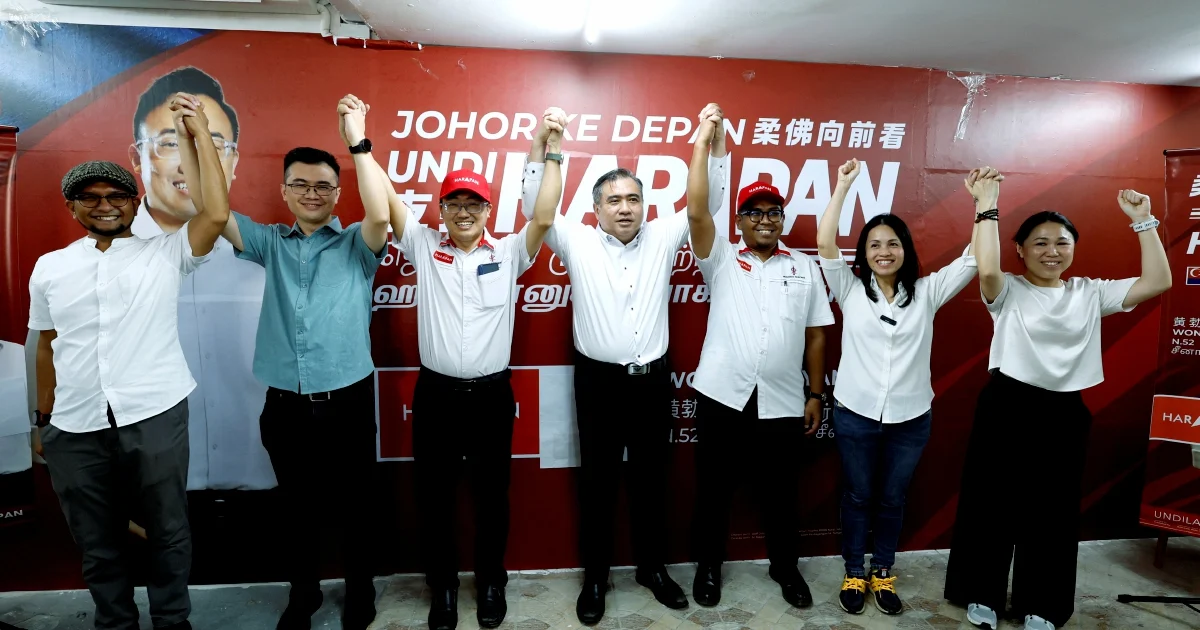
Pakatan Harapan (PH) has made clear that naming its candidate for the Johor Menteri Besar post will come only after the coalition secures victory in the forthcoming state election, with party officials emphasising that focused campaigning takes precedence over leadership announcements at this stage.
The coalition's approach reflects a deliberate strategy to keep internal discussions about succession plans private while presenting a unified front to voters. By deferring the announcement, PH aims to avoid fractious public debate that could undermine its electoral prospects, a concern that carries particular weight in Johor where competition remains fierce.
This decision represents a calculated shift in political messaging, moving away from the convention of announcing candidacies well in advance. Instead, PH is betting that voters will respond more favourably to a narrative focused on policy promises and vision rather than contested leadership questions that might divide coalition members or alienate potential supporters who hold competing loyalties.
The top echelon of PH's leadership council will ultimately make the determination once polling day results are known, according to statements from senior party figures. This concentrated authority reflects the coalition's internal power structures, where major appointments typically flow through established hierarchies rather than through democratic or consultative processes that might invite challenge.
Johor, as Malaysia's second-largest state by population and a significant economic hub, carries outsized importance in national political calculations. Whoever emerges as Menteri Besar will wield considerable influence over state development spending, investment attraction, and resource allocation across industries ranging from port operations to manufacturing and agriculture. The delay in naming a candidate suggests the coalition recognises how pivotal this position remains.
Within PH's rank and file, several figures have been mentioned as potential candidates, though no official endorsements have been issued. The coalition includes components with varying interests and regional power bases, and reconciling these internal divisions while maintaining electoral momentum presents an ongoing challenge. Keeping the selection process behind closed doors until after victory provides breathing room for negotiations and consensus-building among different party factions.
The strategic deferral also allows PH flexibility should election results reshape internal dynamics or party fortunes. A smaller-than-expected victory margin might require accommodating coalition partners differently than a landslide would, while losing would eliminate the question entirely. This contingency planning reflects the uncertain landscape of Malaysian electoral politics.
Johor's political complexion has shifted considerably over recent years, with different coalitions gaining ascendancy across successive election cycles. The state has moved between PH, Barisan Nasional, and other configurations, making it genuinely competitive terrain where campaigning intensity and public perception directly influence outcomes. PH's focus on winning first suggests organisational awareness that the race remains unresolved.
Regionally, how PH navigates this process carries implications beyond Johor itself. Neighbouring Selangor and other states where PH holds power, plus states where the coalition aspires to govern, will watch how the party handles the Johor decision-making. A transparent, inclusive process might strengthen confidence in PH's governance, while opaque backroom deals could reinforce voter scepticism about coalition politics generally.
For Malaysian voters weighing their options ahead of the election, PH's reluctance to name a candidate may signal either prudent focus on core messaging or problematic evasiveness on a question they consider important. Different constituencies will interpret the delay differently, with some appreciating the focus on platform rather than personality, while others may view it as lack of decisiveness or confidence in potential candidates.
The broader context involves ongoing efforts by Malaysian political parties to rebuild voter trust through more transparent governance. PH, having been out of federal power since 2023, is attempting to position itself as a forward-thinking alternative that prioritises outcomes over procedural gymnastics. However, keeping major appointments shrouded in mystery until after voting could be perceived as contradicting that message.
Once the election concludes, PH's leadership council will move quickly to formalise its choice, with the announcement typically followed by a formal swearing-in ceremony. The entire process from victory to installation usually occurs within days rather than weeks, maintaining momentum and limiting space for rival groups to challenge the appointment or negotiate amendments.