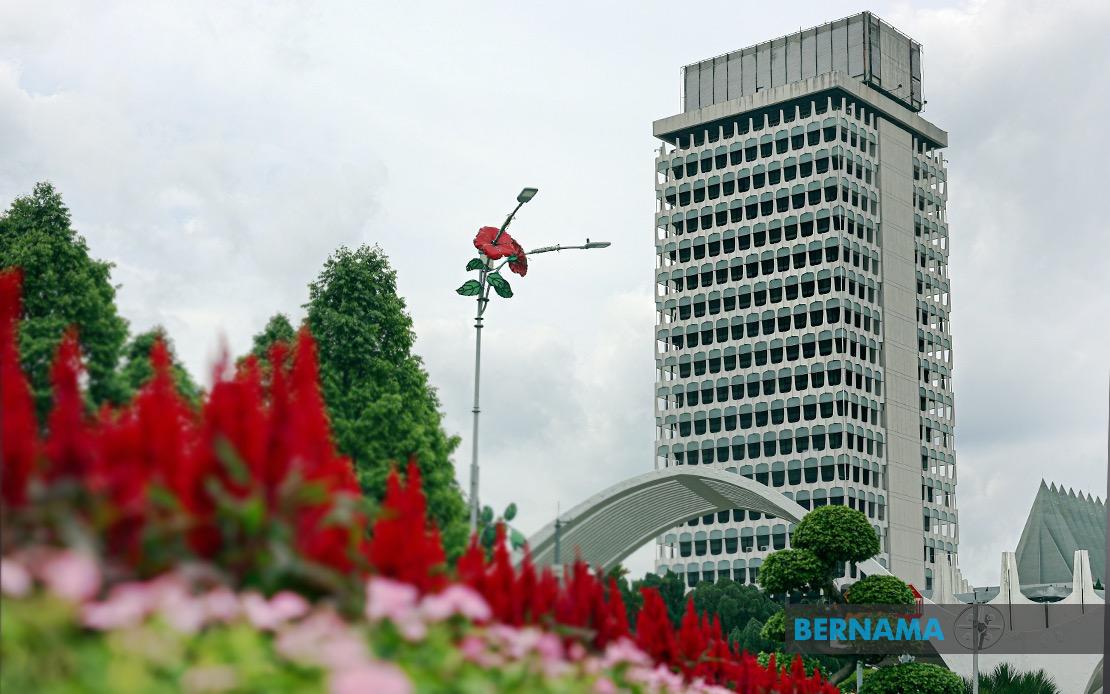
Parliament returns to session on Monday for its Second Meeting of the Fifth Session, marking a crucial legislative period that will test the government's ability to advance constitutional reforms and strengthen road safety frameworks. The 16-day sitting, running until July 16, carries particular significance given that two major constitutional amendments will be re-tabled after encountering parliamentary obstacles during the first meeting of this session.
The most politically charged item on the agenda remains the Constitution (Amendment) Bill 2026, which would establish a 10-year tenure limit for the prime minister. This proposal previously failed to achieve the two-thirds parliamentary majority required for constitutional change, highlighting the complexity of securing broad support for institutional reforms in Malaysia's current political landscape. The reintroduction of this bill signals government determination to pursue the measure despite initial setbacks, though it remains unclear whether the intervening period has altered the calculus sufficiently to change outcomes among legislators.
Equally significant is the Constitution (Amendment) Bill (No. 2) 2026, which proposes restructuring the country's law enforcement leadership by separating the roles of Attorney General and Public Prosecutor. Previously referred to the Parliamentary Special Select Committee for deeper examination, this bill addresses a long-standing constitutional question about whether concentrating these two powerful positions in a single office represents optimal governance architecture. The committee's forthcoming recommendations could shape both the legislative language and parliamentary reception when the measure returns for full consideration.
Beyond constitutional questions, Transport Minister Anthony Loke has indicated that the Road Transport Act 1987 (Amendment) Bill will be tabled on the opening day and debated immediately thereafter. The comprehensive revisions—encompassing 11 distinct areas and 42 specific clauses—directly target the persistent problem of illegal street racing, which continues to claim lives and destabilise traffic safety across Malaysian highways and urban routes. For Malaysian drivers and families concerned about road safety, this technical legislative package carries immediate relevance to everyday security.
The proposed amendments incorporate stricter penalties and enforcement tools specifically designed to dismantle the operations of illegal racing syndicates, colloquially known as "tonto" groups, which have operated with relative impunity despite representing a documented hazard to public safety. By strengthening legal mechanisms and regulatory oversight, the amendments aim to shift the enforcement calculus against organised illegal racing networks. The bill represents an incremental but meaningful government response to a social problem that has generated considerable public frustration and community concern, particularly among parents and road safety advocates.
The 16-day sitting will also direct parliamentary attention to the Cybercrime Bill 2026, continuing legislative modernisation in response to the accelerating pace of digital-age criminal activity. Malaysia's technology sector, growing digital economy, and increasing reliance on online governance systems all depend on credible legal frameworks that define and prosecute cybercriminal behaviour while respecting legitimate privacy and commercial interests. The timing of this bill's parliamentary progress reflects both international pressure and domestic recognition that existing legislation requires updating to address contemporary threats.
A substantive policy discussion thread running through the session concerns Malaysia's economic vulnerience to global energy disruptions. The ongoing conflict in West Asia has created measurable disturbances in international energy supply chains, with implications for Malaysia's import costs, manufacturing competitiveness, and inflation trajectory. Parliament will examine how these external shocks transmit through the Malaysian economy and what policy responses—whether monetary, fiscal, or regulatory—might mitigate their impact on households and businesses. For Malaysian readers concerned about cost-of-living pressures, energy security represents a fundamental issue connecting international geopolitics to personal household finances.
Dewan Rakyat Speaker Tan Sri Johari Abdul has issued a significant appeal for procedural discipline and substantive seriousness, reminding members that parliamentary debate should pivot on evidence, data, and constructive policy proposals rather than sentiment or polemical rhetoric. His remarks reflect concern that parliamentary sessions sometimes deteriorate into political theatre rather than genuine deliberation on national problems. The speaker's emphasis on quality debate carries particular weight given Malaysia's complex political environment, where coalition arrangements and legislative mathematics require careful management.
Johari has specifically addressed the tension between members' parliamentary duties and their external political commitments, noting that a concurrent Johor state election may tempt MPs to prioritise campaign activities over legislative attendance. His reminder that the Dewan Rakyat represents the nation's highest legislative institution establishes a clear hierarchy of obligation, even as he acknowledges the multiple pressures on elected representatives. This tension between legislative governance and electoral politics remains a recurring challenge in parliamentary systems where sitting schedules and campaign cycles occasionally overlap.
The speaker's call for focus on substantive issues—cost of living, education, healthcare, economic opportunity, and community wellbeing—establishes what Parliament should accomplish during the sitting: translating electoral mandates into concrete policy solutions. This framework suggests frustration with parliamentary debate that devolves into partisan point-scoring without advancing legislative solutions to problems affecting ordinary Malaysians. His emphasis on responsible conduct within Standing Orders underscores the view that democratic legitimacy depends on legislative institutions functioning with integrity and purposefulness.
Parallel to the Dewan Rakyat's activities, the Dewan Negara will commence its own 10-day sitting from July 20 to August 4, providing the upper house opportunity to examine bills and matters passed or referred from the lower chamber. This sequential timing allows the Senate to conduct its deliberations with full information about the Dewan Rakyat's proceedings, though it also compresses the overall parliamentary calendar and places pressure on government scheduling. The upper house's role in reviewing constitutional amendments carries particular significance given that such changes require approval in both chambers.
For Southeast Asian observers and Malaysian stakeholders monitoring regional legislative developments, this parliamentary session represents a test of institutional capacity and political maturity. The willingness or reluctance of legislators to support constitutional reforms, address contemporary challenges like digital crime and road safety, and engage substantively with national economic vulnerabilities will signal something about Malaysia's political system's responsiveness to evolving challenges. How parliament manages the competing demands of multiple significant bills while maintaining proper procedures and serious deliberation carries implications extending beyond the July 16 adjournment date.

%22%2F%3E%3C%2Fpattern%3E%3C%2Fdefs%3E%3Crect%20width%3D%22100%25%22%20height%3D%22100%25%22%20fill%3D%22url(%23ph4dnbsg)%22%2F%3E%3Crect%20width%3D%22100%25%22%20height%3D%22100%25%22%20fill%3D%22url(%23ph4dnbsp)%22%2F%3E%3Ctext%20x%3D%2250%25%22%20y%3D%2250%25%22%20text-anchor%3D%22middle%22%20dominant-baseline%3D%22central%22%20fill%3D%22rgba(255%2C255%2C255%2C0.95)%22%20font-family%3D%22Georgia%2C%20'Times%20New%20Roman'%2C%20serif%22%20font-weight%3D%22700%22%20font-size%3D%22170%22%20letter-spacing%3D%22-0.02em%22%3EMalaysia%3C%2Ftext%3E%3C%2Fsvg%3E)